Guest Feature - Ben Dickey

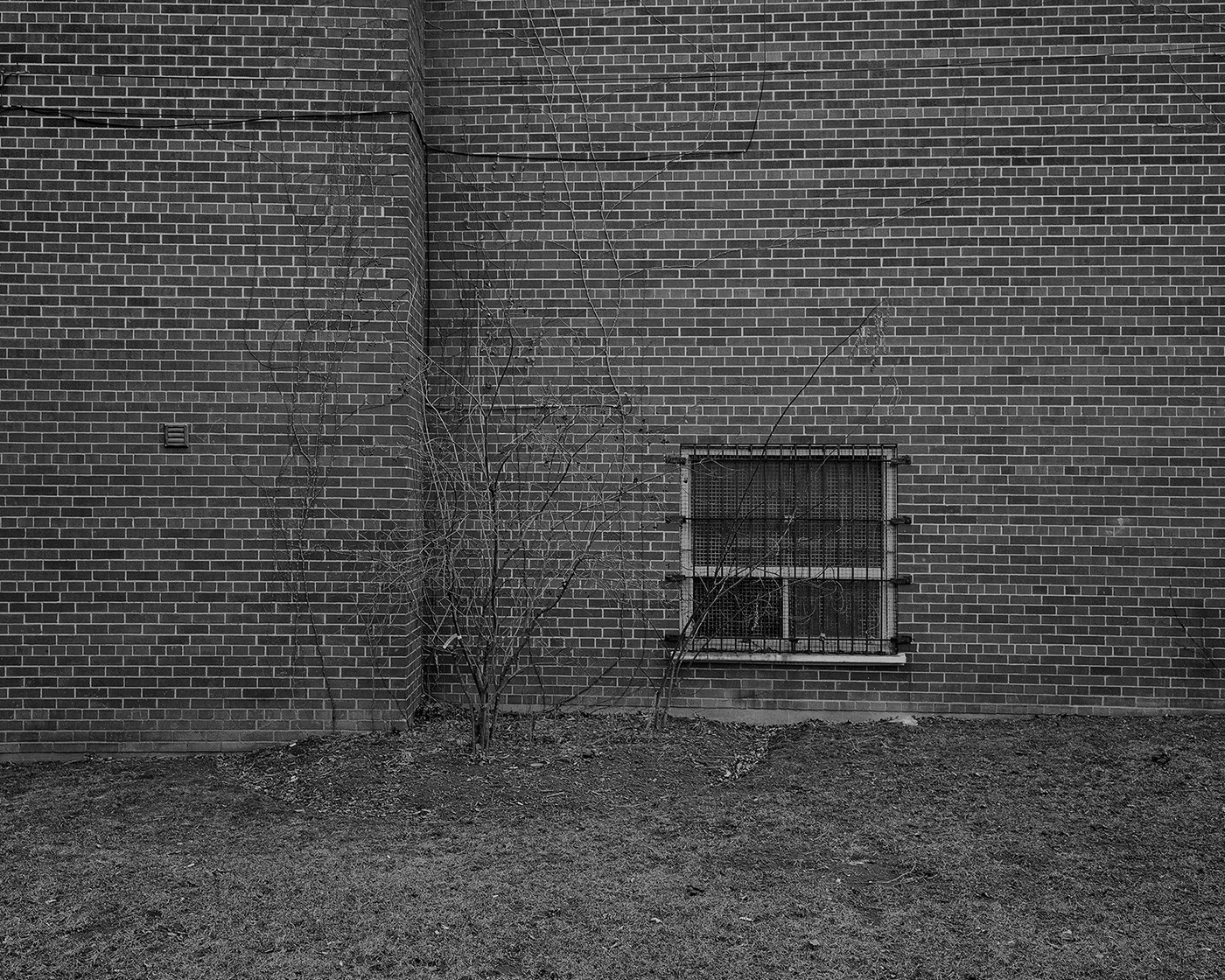
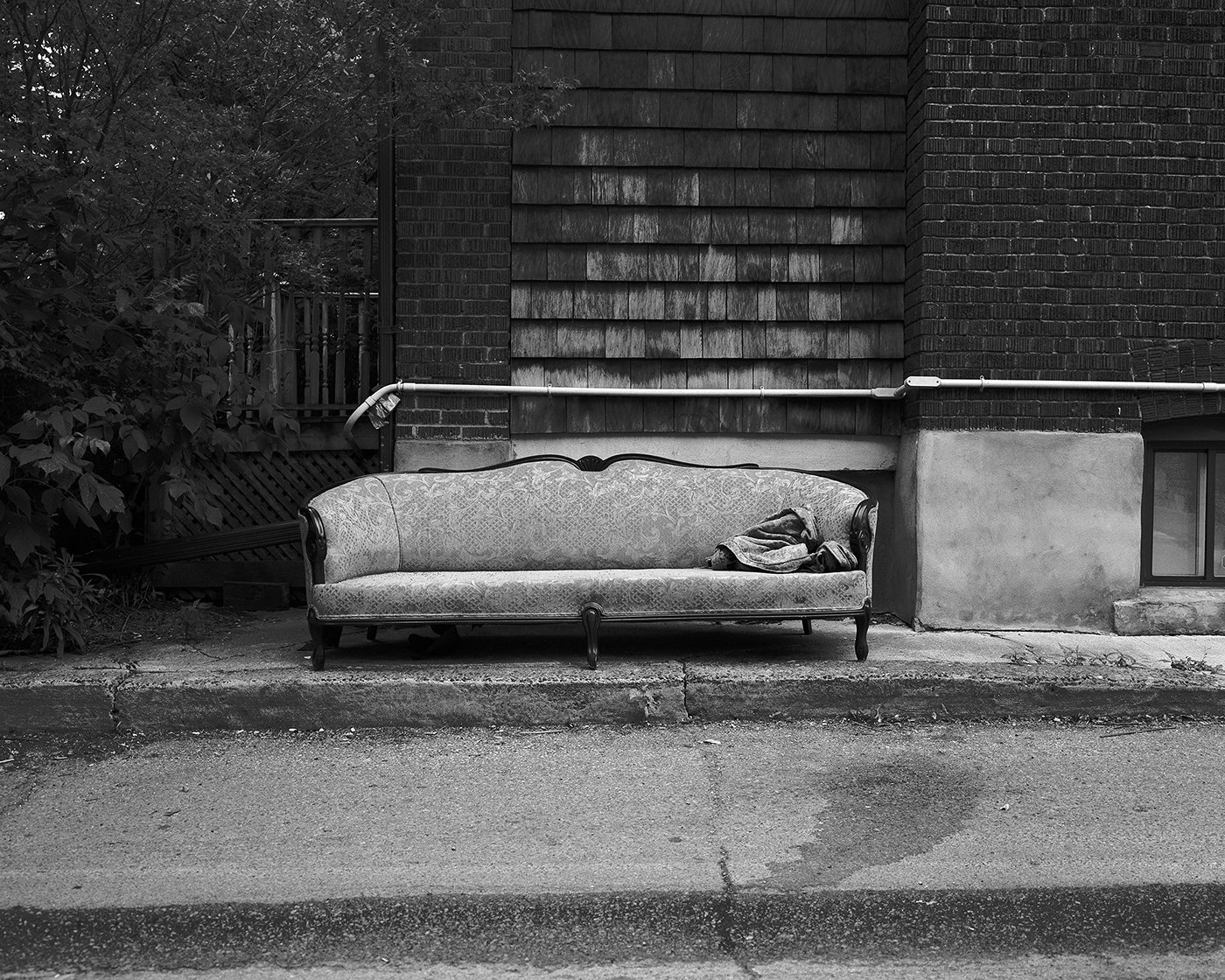
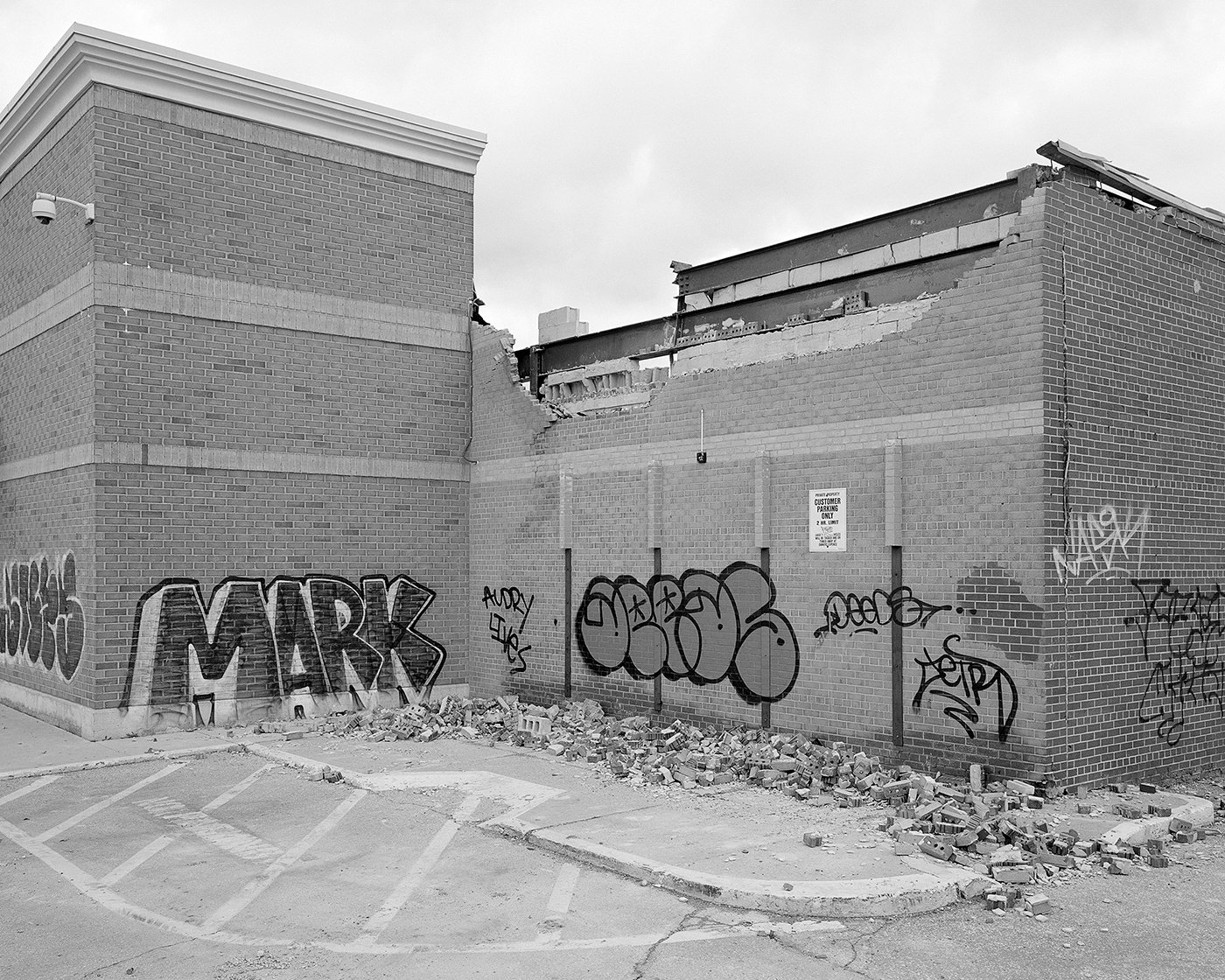
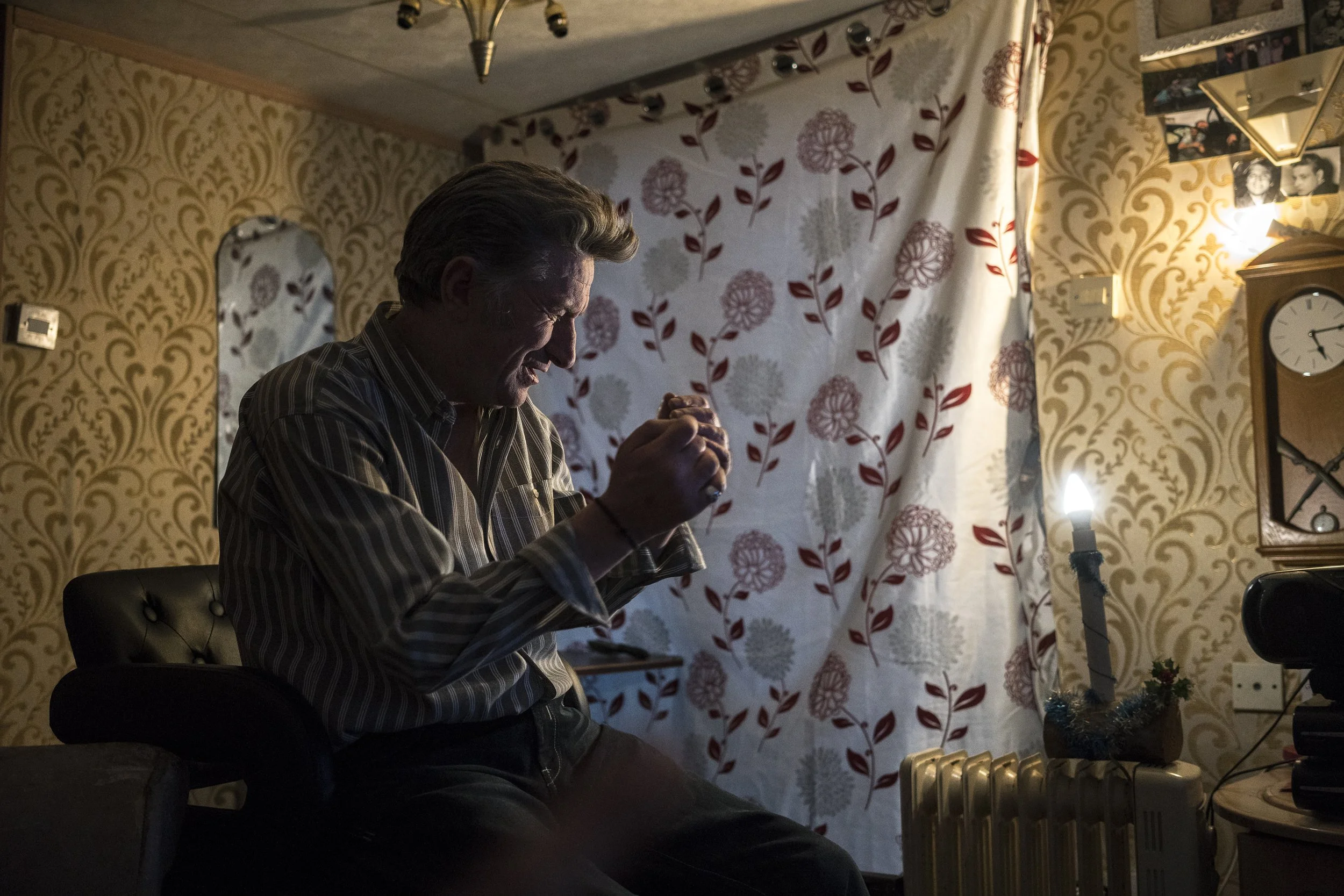
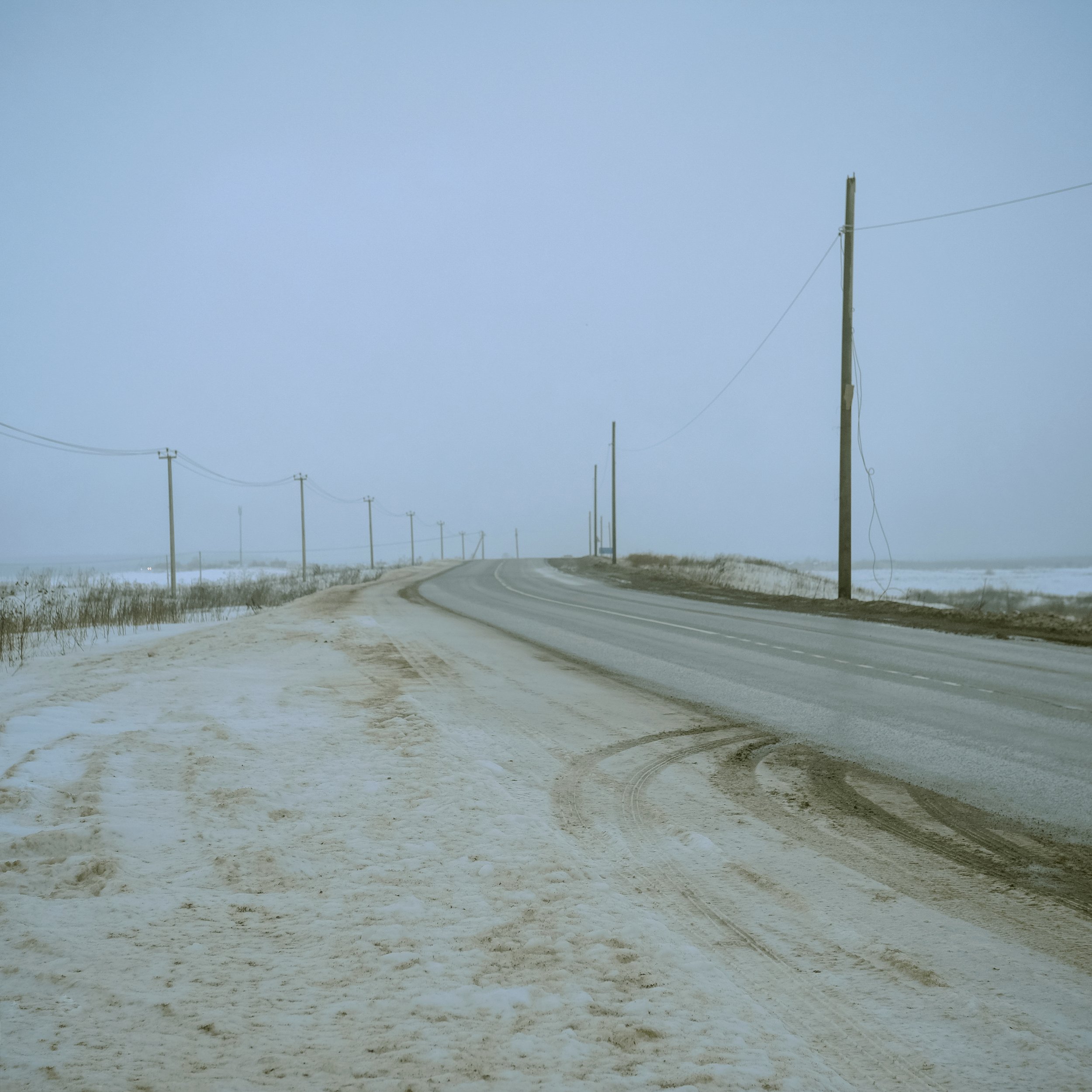
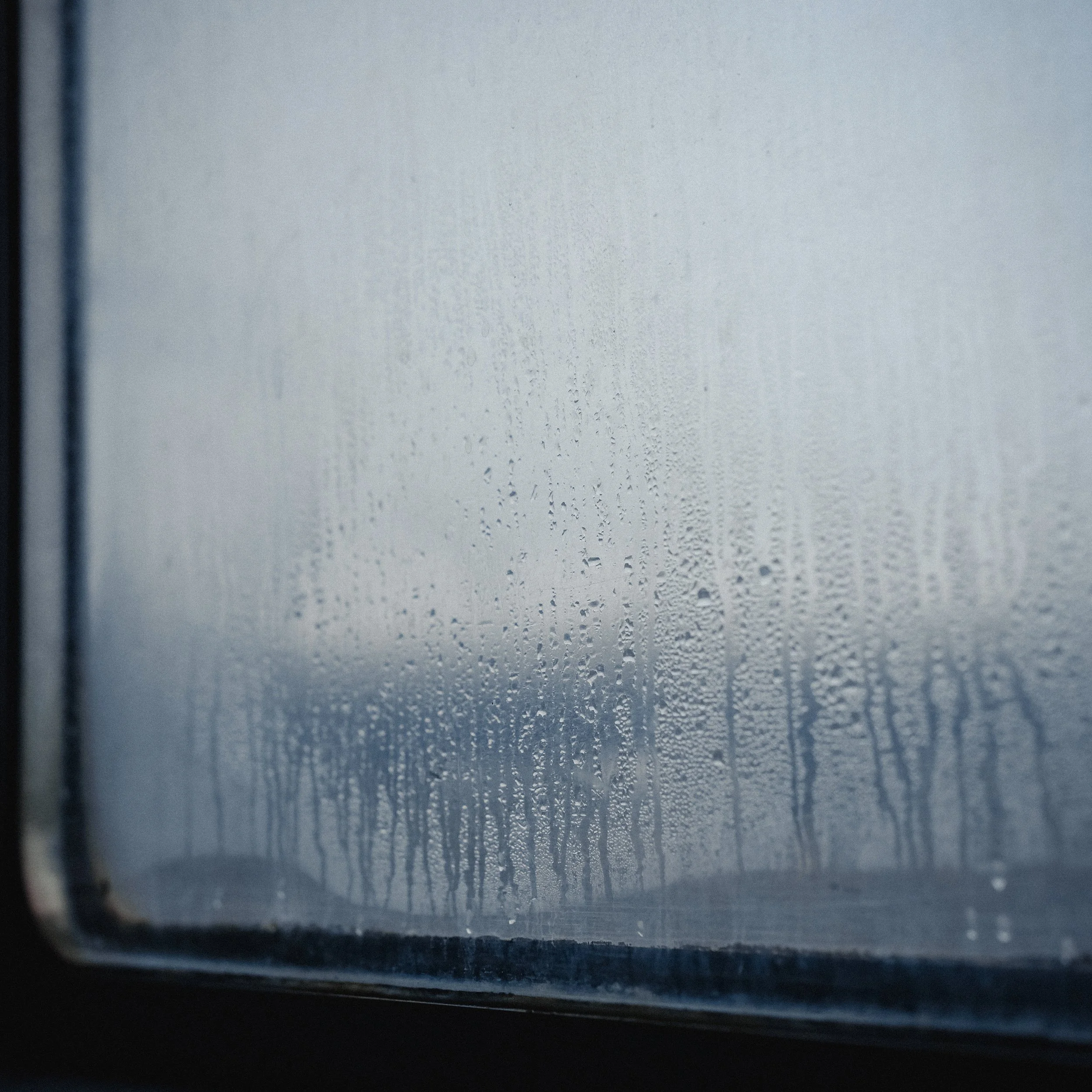
In terms of built environments, I find myself most deeply attracted to the liminal, transient, and derelict – in other words, I am interested in what designed space signifies when it is void of people either temporarily, or permanently. What influence do abandoned, unused, or industrial locations have in shaping our understandings of continuity, identity, and ultimately, our footprint on the world?

For this submission I have gathered some recent images, that investigate and pose these same questions. Some of them come from abandoned homes and farms in peri-urban and rural areas, left crumbling in the wake of shifting economies, suburbanization, and rapid development. Some of them come from within the city, in the industrial area where I work as an urban beekeeper – interstitial zones that provide no comfort or purpose to people outside of their economic, productive functions. Some of them come from within the heart of the city itself, pockets of unused, empty, or soon-to-be redeveloped space. These are images pulled from separate works, or that have simply never been integrated into a project. However, I hope that when viewed together, they generate a meaningful narrative on the use of space, development, and what that means about our societies.

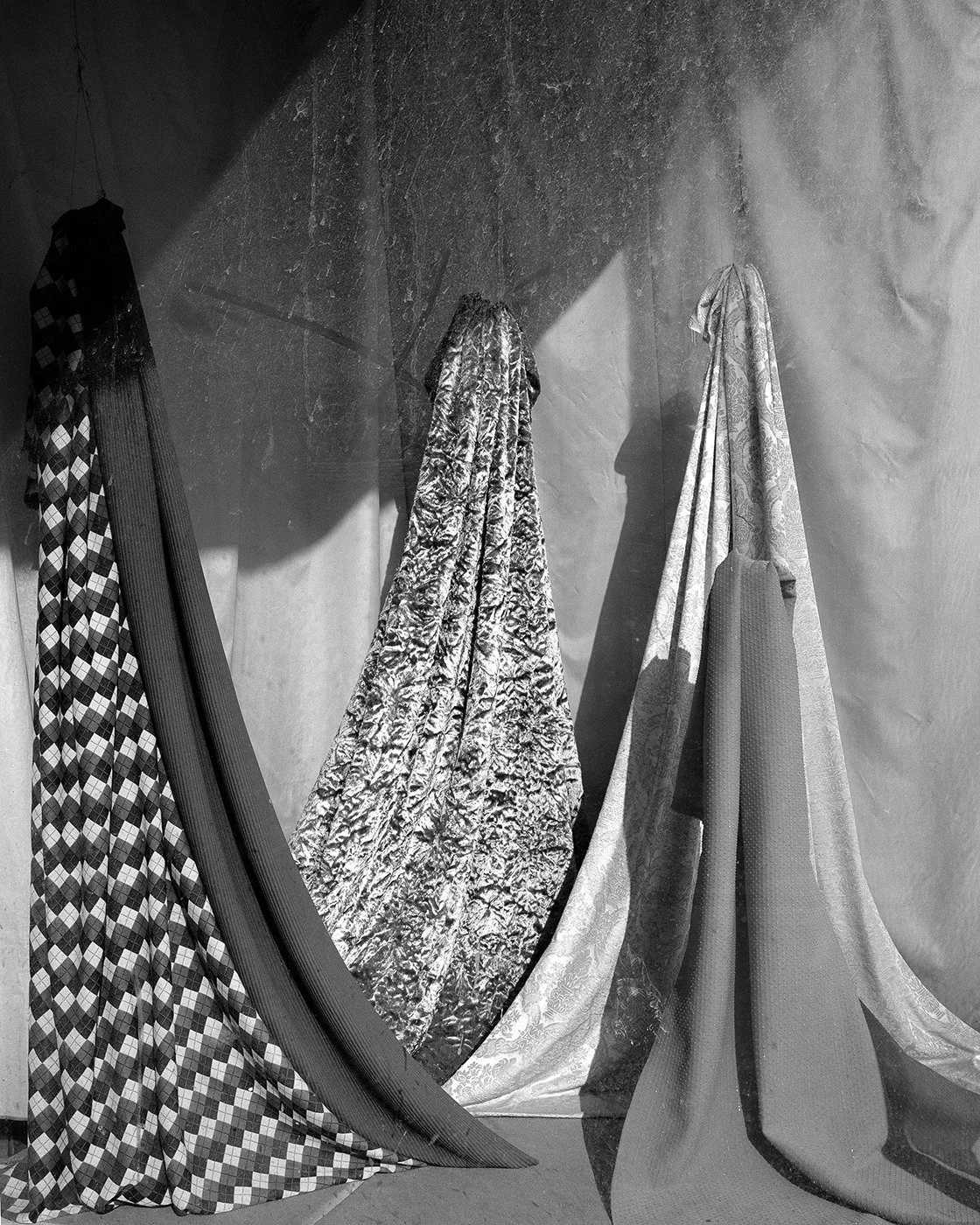
Ben is a multi-disciplinary artist and writer living in Toronto, Canada. His work seeks to understand the relationship between place and identity through explorations of the liminal, everyday, and abstract. His art employs multiple mediums and approaches, while thematically exploring the role of narrative in constructing the physical and emotional spaces of our lives. Grounded, in part through his experience of mental health and disability, Ben's practice is defined by a need to express, direct, and come into dialogue with creative desire, emotional struggle, and perceptual exploration. Through his art he hopes to examine the notions of solitude and despair; alienation and temporality; mythology and the politics of the quotidian – ultimately providing a visual language that gives meaningful expression to the difficulties we face as human beings.

bendickey.com

Leia Ankers Joins MAP6

We are delighted to announce that photographer Leia Ankers has joined the MAP6 collective!. Below is a brief interview where she discuses her photographic practice, her influences and her latest project.

Can you share with us your journey in photography – from your inspirations and education to your current practice?  

I spent a lot of my childhood at home due to my disability, I was diagnosed with cerebral palsy at age 3. I discovered photography in these years and used it as a way of having fun and coping whilst I was at home. These personal differences from a young age introduced me to the experience of stigma, of being the ‘other’ and as I got older, I decided I wanted to take this into my photographic work whilst studying my BA in photography. During my second year of studying I made the series ‘The same as you’. Prior to my BA I studied a Diploma at college, and I always found myself referencing Diane Arbus in my sketchbooks. One of the first photobooks I owned was also by her.  

What motivates your photographic practice?  

I would say what motivates me most is just getting outside, talking, and meeting new people, all in an effort to capture and convey a story I’m passionate about and that resonates with me. I spent so many years of my life inside that I began to fear myself as being a hermit. I was so used to the surroundings of my family home that I started to fear new environments and isolate myself. I was in search of a tool that would put me in a position to have to be out engaging with the world. I soon started to realise that as soon as I had a camera in my hands this mental block disappeared, almost like magic. This motivates me, by overcoming challenges that I never thought would be possible.   

Tell us a little about your project The same as you and your recent exhibition.  

The series began from my own personal story of having a disability. Since a young age I have stigmatised myself through my differences. I wanted to change the notion of people with dual sensory impairment and additional disabilities. In the series, my aim was to represent the perception of disability. I met both Michelle and Cordelia through a friend of my mothers, named Birgit. Birgit is Cordelia and Michelle’s carer. I shared my story of living with a disability with Birgit when we first met, and this friendship blossomed between us both through the openness of our conversation. Through my closeness with Birgit, it enabled Cordelia and Michelle to trust me, I believe trust is what binds a photographer with a sitter, and this allowed me to build the relationship I did with them. It was important to gain trust, as Michelle had never been photographed by a photographer before.   

The series was about capturing both their senses and how their other senses have been heightened since sight for Michelle and hearing for Cordelia has been lost. It was important to photograph their hands and them both touching and feeling the environment around them, photographing the record player and how it created this vibration experience for Michelle, influencing her heart rate, breathing and emotions. It helps both of them understand and perceive the world around them. Photographing them in their environments was important as everything is placed precisely to create everyday maps for them to navigate, without order and routine it would be difficult for them. After spending time with Cordelia and Michelle, I was completely in awe of them and their stories. I met many inspiring individuals during this series, but I included Cordelia and Michelle in the final body of work as they resonated with me most. It only felt right to have them both part of the series and I wanted their stories to be heard and seen.   

I was fortunate to recently be invited to exhibit my portrait titled ‘Cordelia’ at Galerie Joseph part of Image Nation Paris for the Just Women Exhibition.   

If you could work collaboratively with one photographer – living or dead – who would it be and why?  

Nan Goldin. I admired Nan Goldin’s work whilst studying, especially after my trip to New York and viewing Goldin’s Multimedia installation at MoMA. This was one of the first exhibitions I had ever viewed. I remember James Brown ‘This is a mans world’ playing loudly and echoing through the room. This installation created an experience for the viewer and made you feel like you had stepped into the images, feeling the intimacy of Goldin’s work. I admired the whole atmosphere and how it brought like-minded individuals together, creating this sense of community through the exhibition.   

You can find out more about Leia on her website here.

Guest Feature - Vasilis Nempegleriotis

The Thessalic flatland is a key area in the primary sector of Greece, through the cultivation of cereals. It is the second largest granary in the country and historically the image of the Thessalic landscape has derived from there. Although it covers only 36% of the area of Thessaly, the flatland gives identity and life to the urban countryside of the area. The area is said to offer euphoria and financial comfort to its inhabitants, which is in contrast with my own childhood experiences, growing up in an agricultural family.

Being motivated by this urban myth led me to explore the structure and stillness of the place. The pictures show the interrelationship between the earth, the human factors and weather conditions. My ongoing photographic work Agri-Cultural Pylons, which started in 2017, is a collection of cultural elements captured in the lowland villages in Thessaly, in order to understand the place where I come from and live.

Vasilis Nempegleriotis is a self-taught photographer based in Larissa, central Greece. He has participated in numerous photography seminars, group exhibitions and international photography festivals over the past few years. He is a member of Fplus photography group since 2018.

vasilisnempe.com

MAP6 at The Photographers Gallery

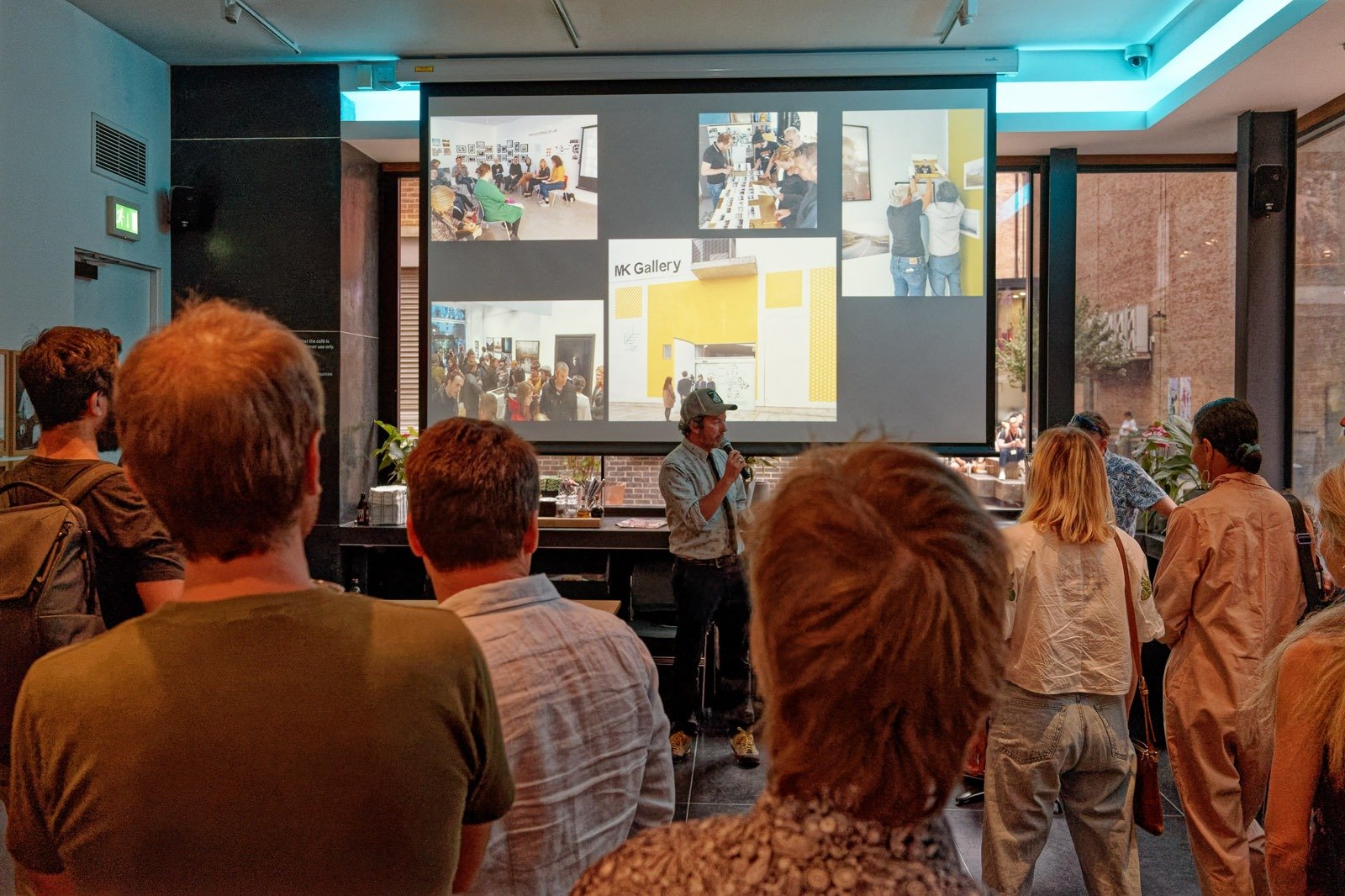
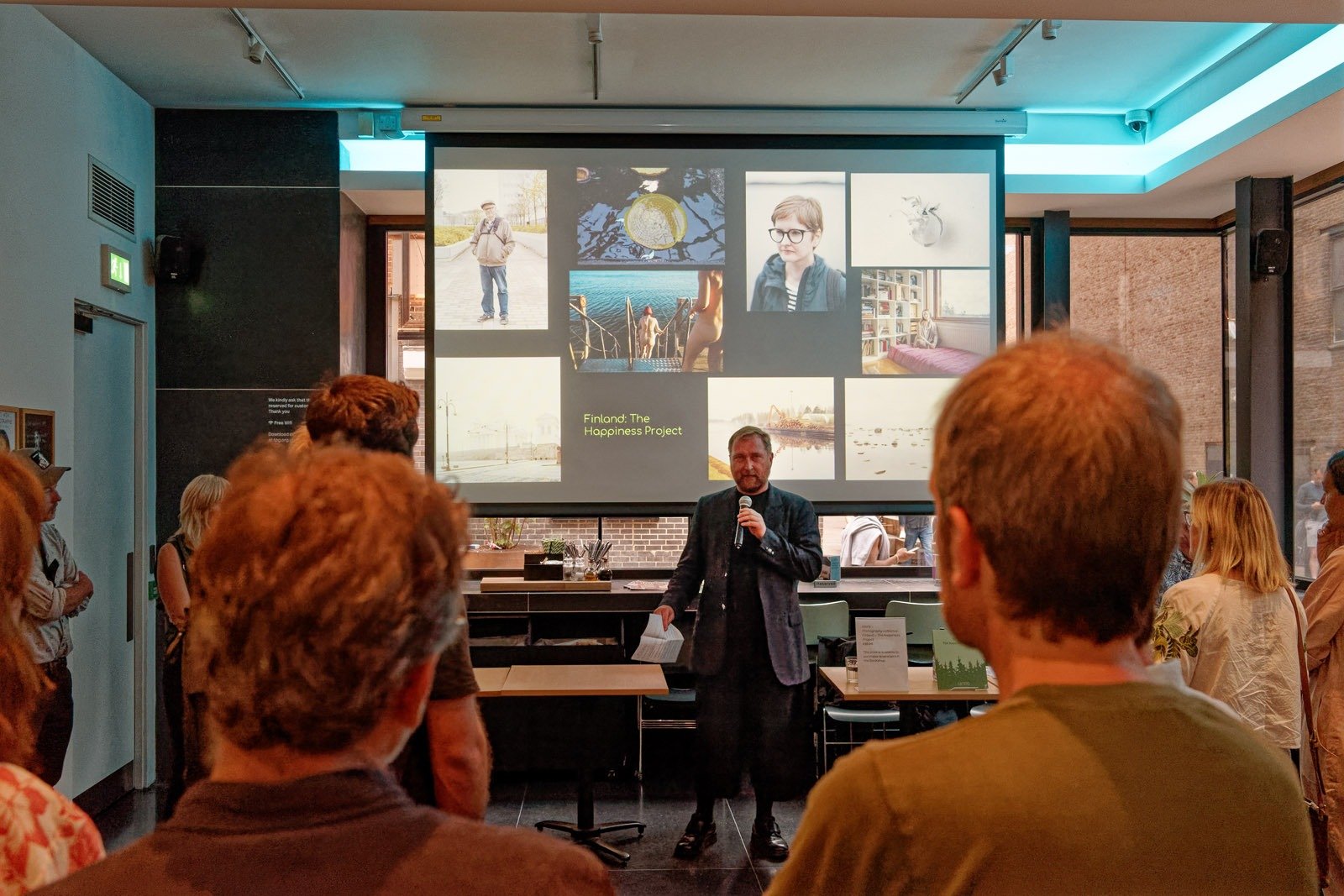
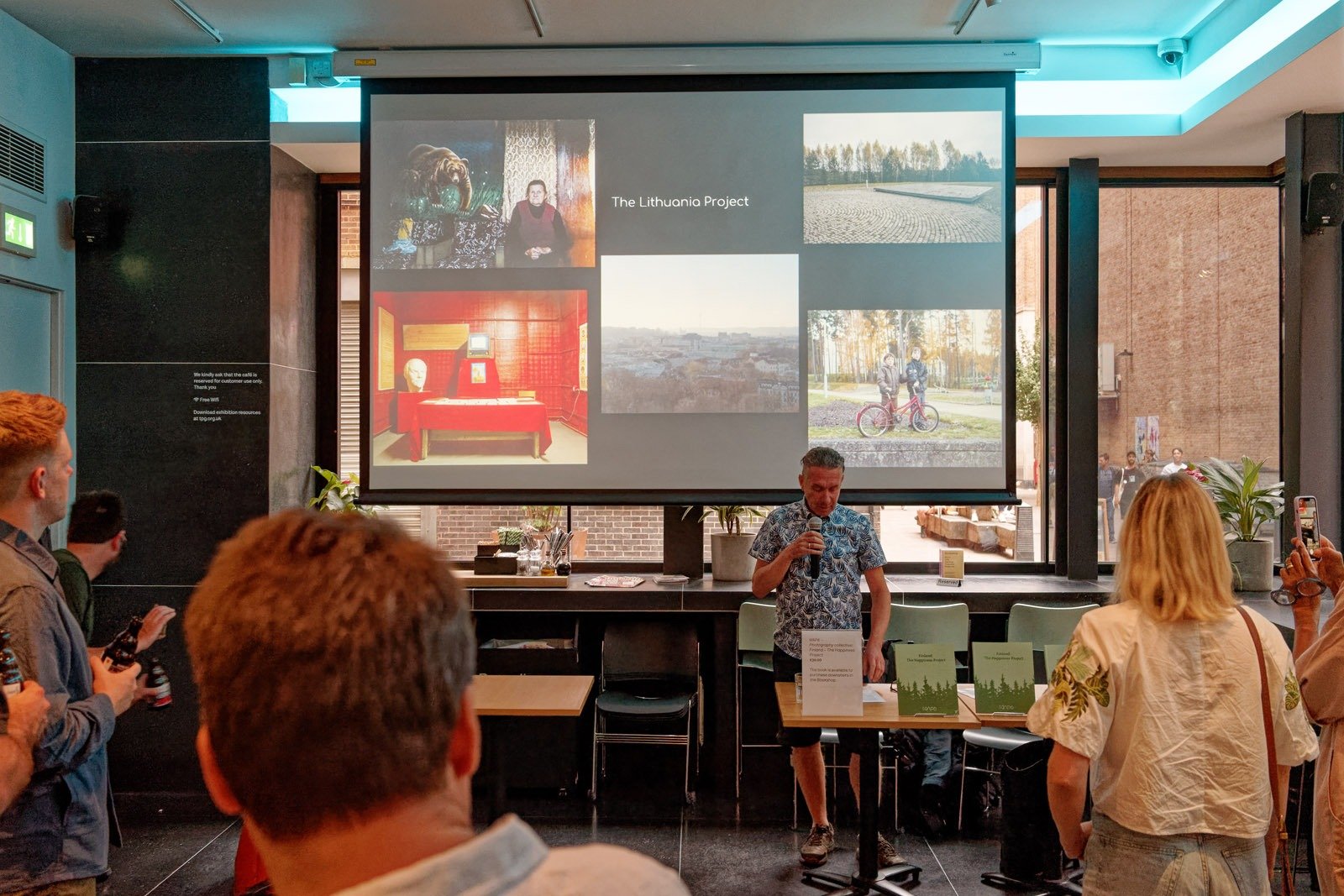
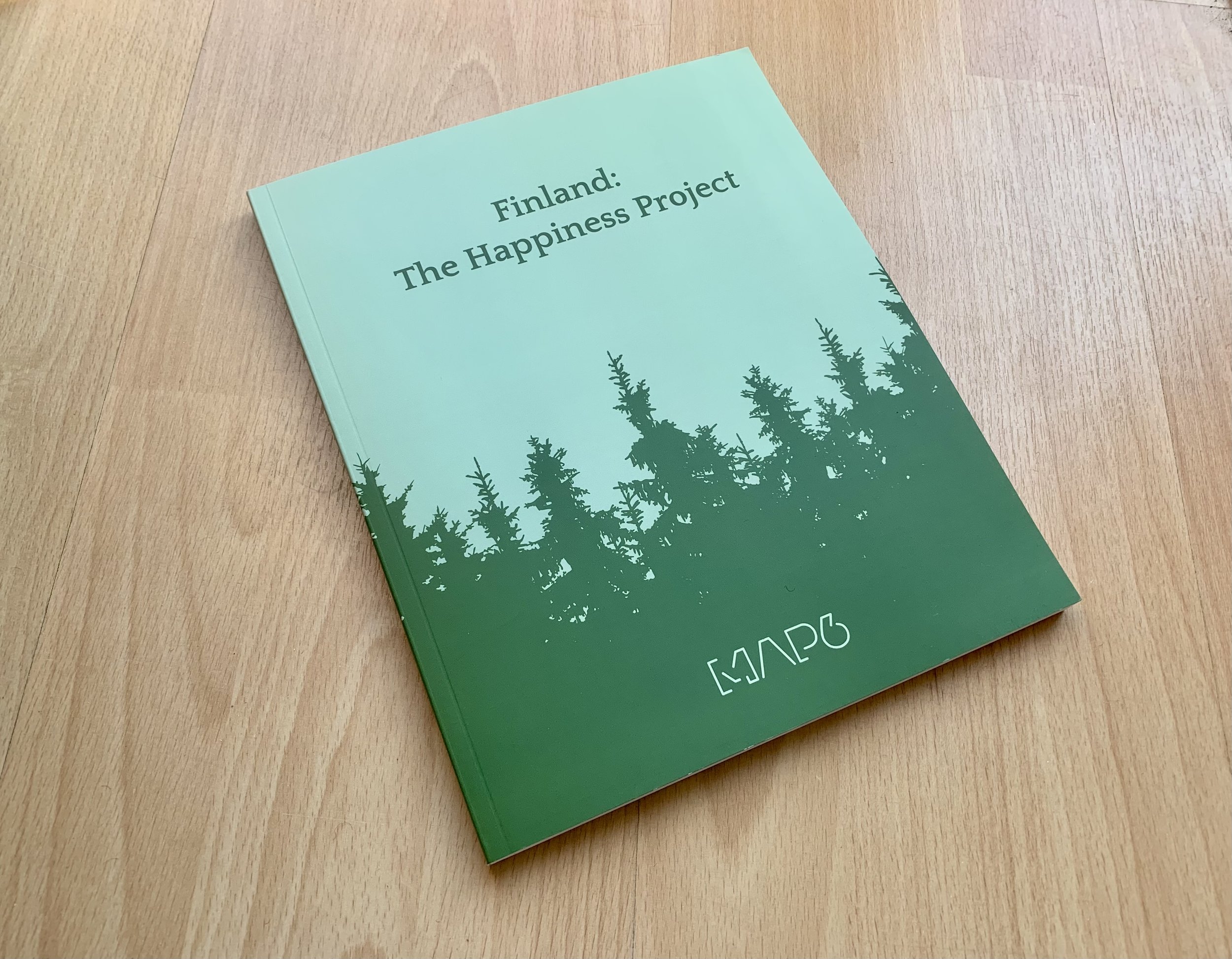
Thank you to everybody that came down to The Photographers Gallery for the launch of our new Book Finland: The Happiness Project. It was a fantastic evening where we had the chance to meet lots of new people and share some stories of MAP6. It was also a delight to hear from our friends at The Finnish Institute, who shared some fun insights into Finland and its successes and peculiarities. For those that missed it, the book is available to purchase at The Photographers Gallery in store or online here, and we are also hoping to host more events there too. More news coming soon…

Guest Feature - Alexander Williamson

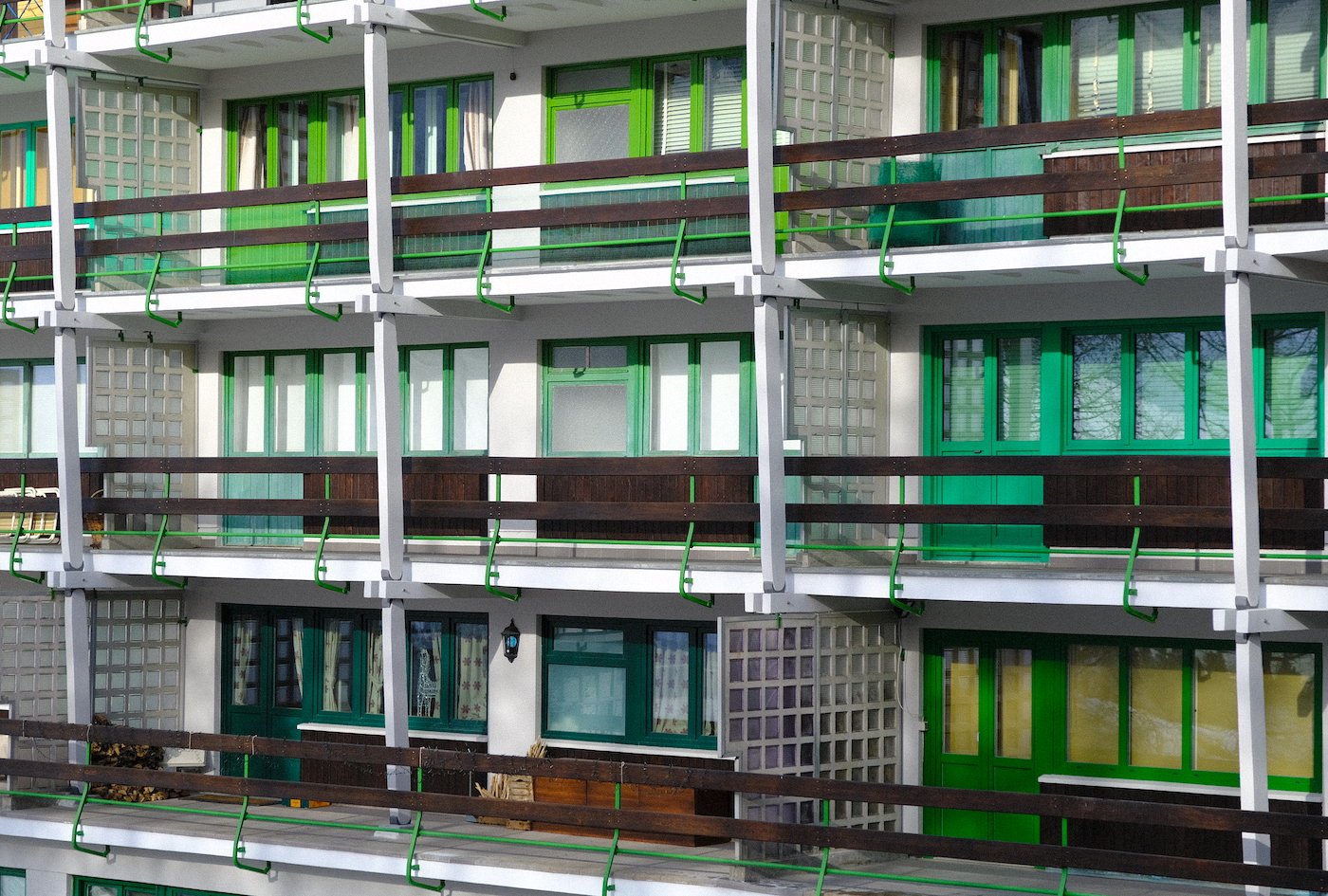
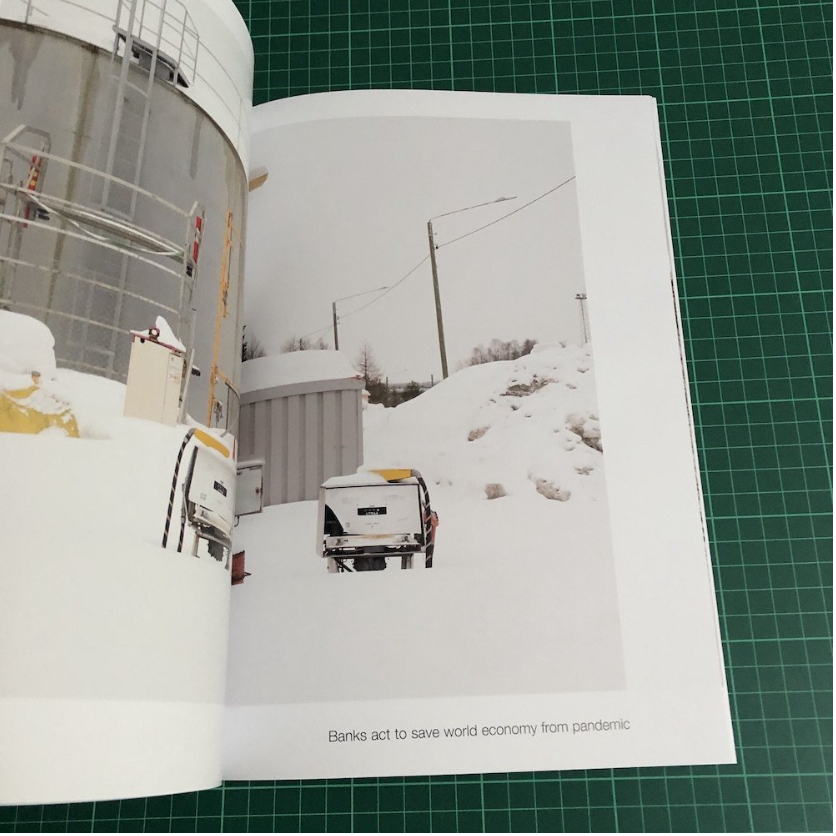
Inverse Alpinism is an observational photographic series recording the absurd, banal and incongruous motifs of ski tourism, juxtaposing the natural beauty of the European alpine region with the man-made architecture and infrastructure of the Alpine skiing industry. The title of this series - Inverse Alpinism - is a pun on the mountaineering term ‘Alpinism’, which refers to the subset of climbing which involves rapid and often unsupported ascents to the summit. Much like with skiing, speed and continual propulsion are key characteristics of Alpinism. However, this series seeks to slow the speed of skiing, and capture moments of calm amid the chaos and competitiveness of Europe’s most popular pistes. The resorts include La Rosiere / La Thuile, The Three Valleys, Cervinia / Zermatt and Saalbach.

Alexander Williamson is a writer and photographer from the Scottish Highlands. As a freelance and documentary photographer, he alternates between digital and analogue photography to document the strange, ephemeral and unnoticed spaces of the contemporary. He has an MA in Modern and Contemporary Literature from Birbenk, University of London, and a PhD in English from Birkbeck, where the focus of his thesis was unconscious collaboration in the novels of Siri Hustvedt and Paul Auster. Laughing Stock, an autofictional memoir, is his first book.

alexanderwilliamson

Book Launch at The Photographers Gallery

Finland: The Happiness Project - Book Launch & Photography Social by MAP6 & The Photographers' Gallery

Date time and location

Thu 21 July 2022, 18:30-20:00, The Photographers' Gallery Café, 16-18 Ramillies Street, London, W1F 7LW

The event is free but space is limited, so please reserve your ticket here


The first of a series of talks and events hosted by the MAP6 photography collective in collaboration with The Photographers’ Gallery. An opportunity to meet MAP6, talk about working collaboratively and making books.

Before we all break for summer holidays - we would love to see and meet fellow photographers and anyone with an interest in Finland and global happiness.

Along with a short introductory talk, images from the project will be shown and books will be available to see and purchase.... the event is a social for aimed at collaboration and collective working in photography.

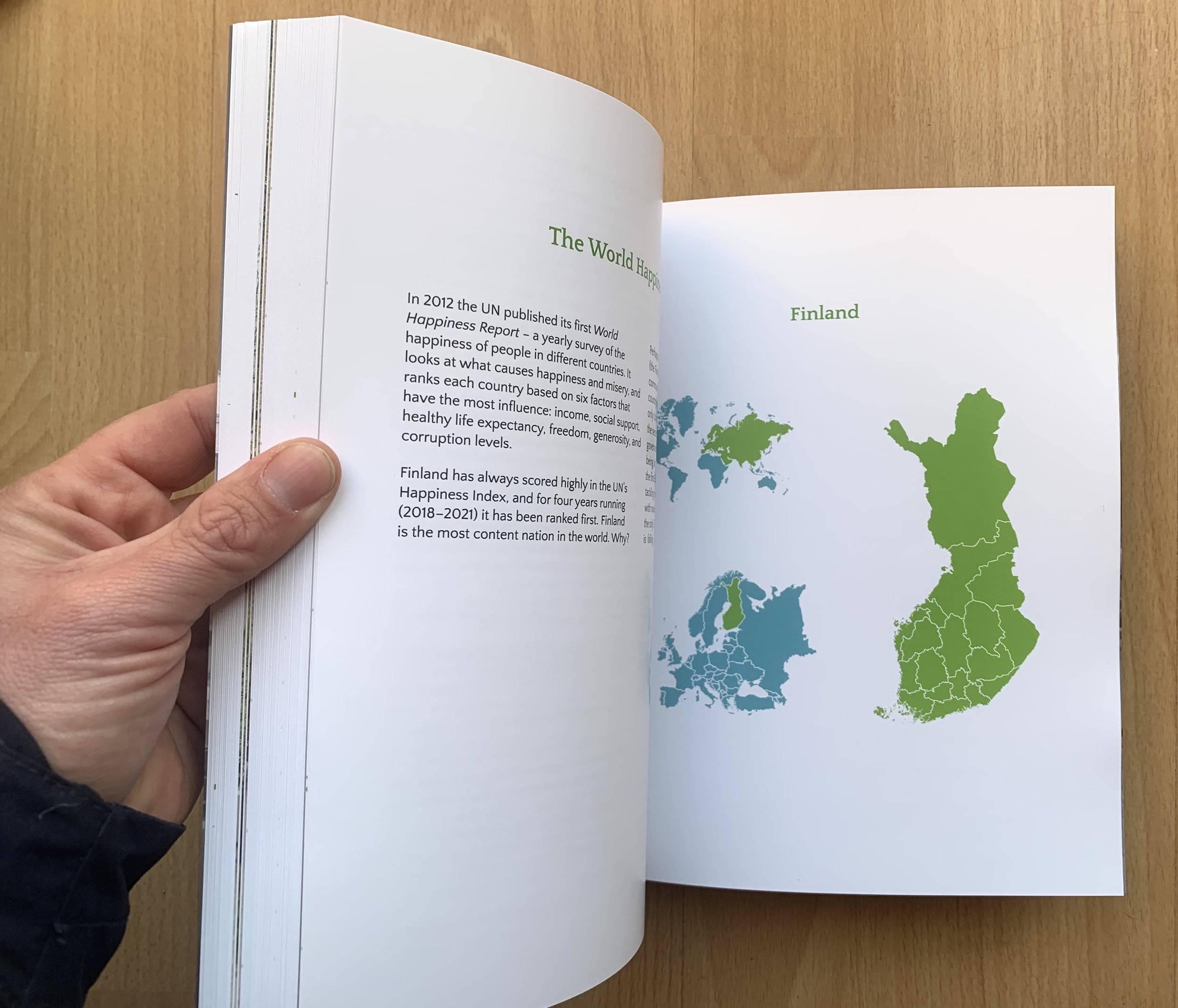
At this critical time, with issues of global health and environmental impact at the forefront, MAP6’s Finland: The Happiness Project explores themes around the United Nation’s World Happiness Report, which has ranked Finland as the most content nation for four years running.

The UN says it’s not money alone that makes a country happy but six key factors: personal income, social support, life expectancy, freedom, generosity, and levels of corruption. Finland scores well on all of these but particularly so on generosity; the nation’s social safety net combined with personal freedom and a good work–life balance gives it the edge.

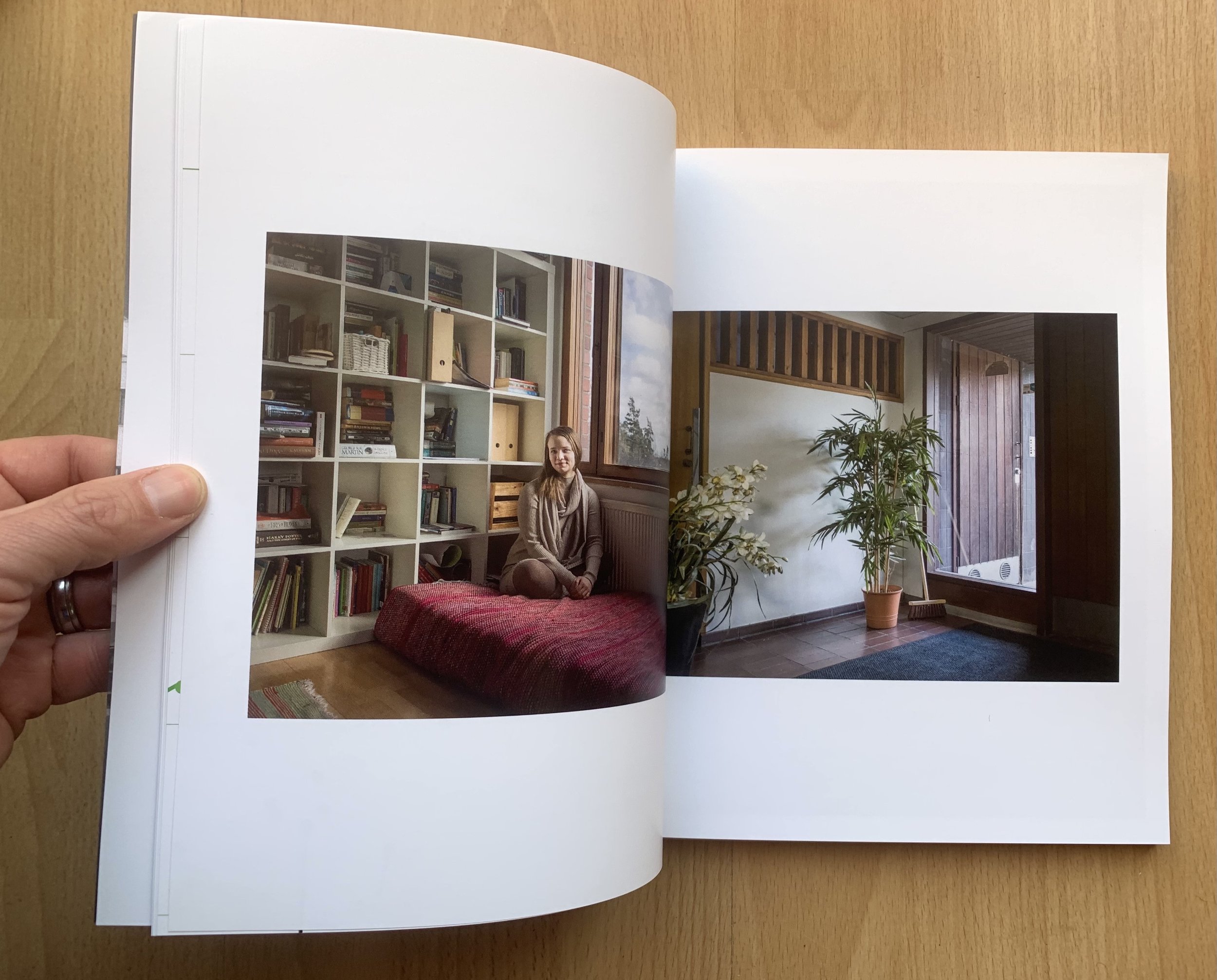
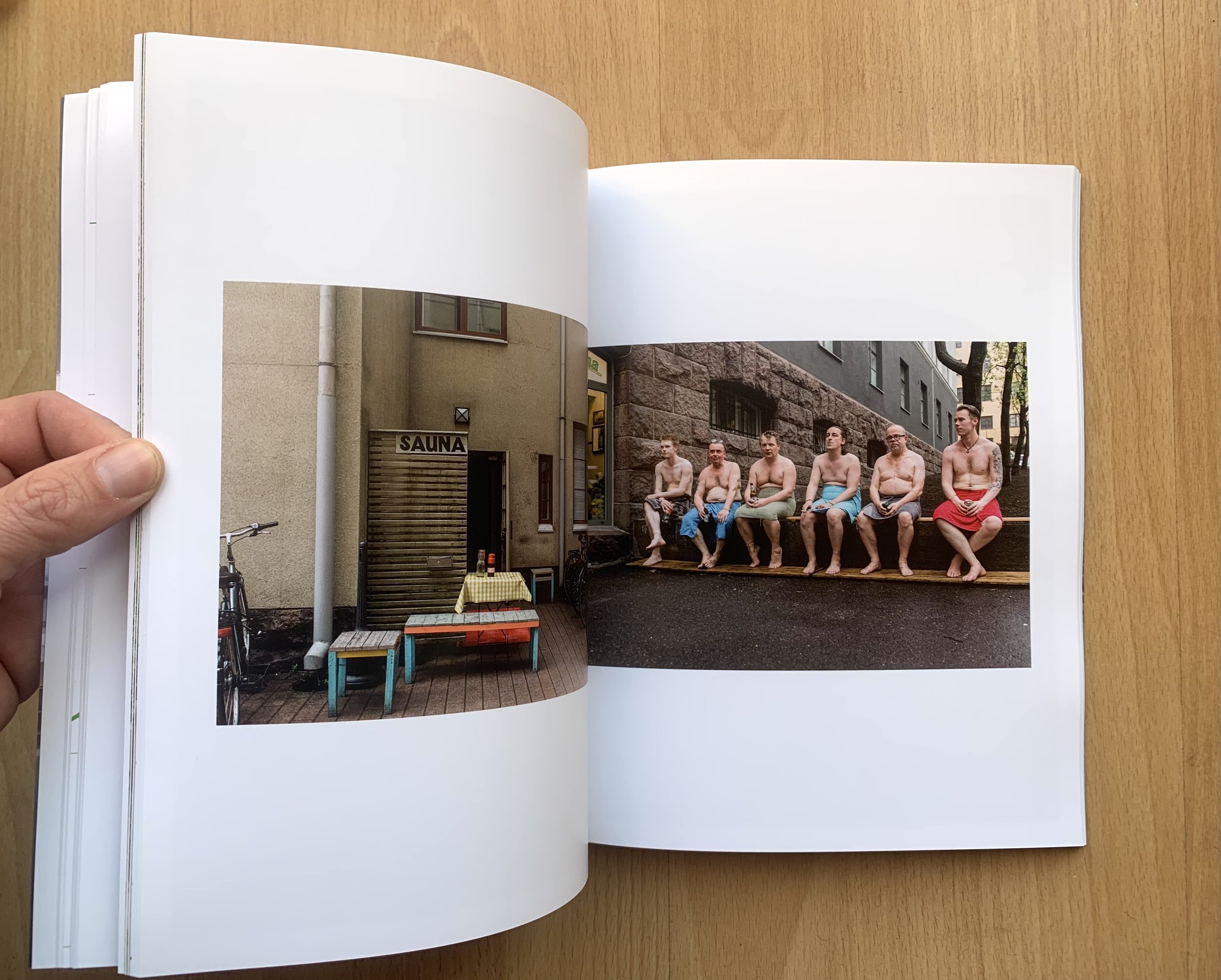
With this in mind, MAP6 visited Finland to try to understand why its people are so happy. The resulting nine projects with diverse viewpoints questions and presents ideas about how we can live healthier, happier and more positive lives.

The book production of Finland: The Happiness Project was generously supported by the The Finnish Institute


MAP6 at Helsinki Photo Festival

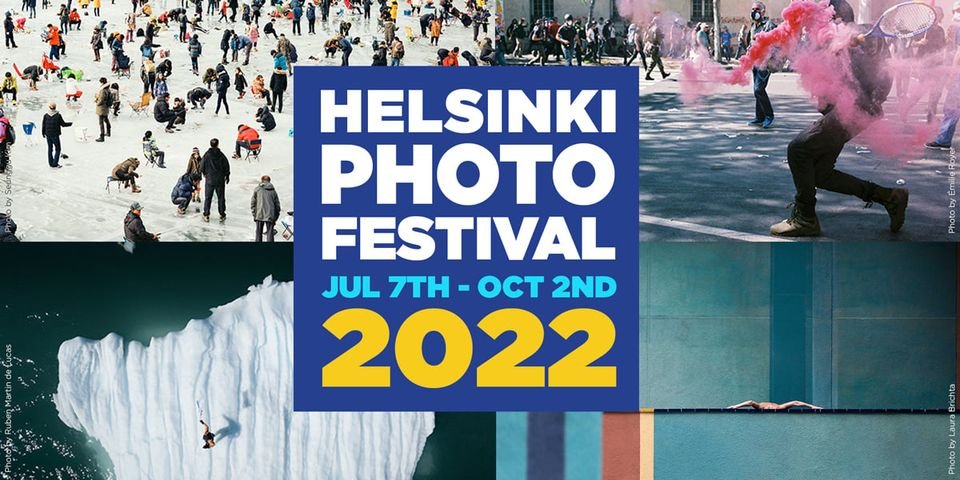
MAP6 are absolutely thrilled to be exhibiting as part of the Helsinki Photo Festival this year, for which we will be showing our Finland: The Happiness Project. Under the theme of ‘Believe’, we were chosen for the fifth edition of Helsinki Photo Festival which will showcase our project in an outdoor exhibition outside of the National Museum of Finland in Helsinki from July 7 - October 2, 2022.  More details coming soon…

Guest Feature - Maarten Vromans

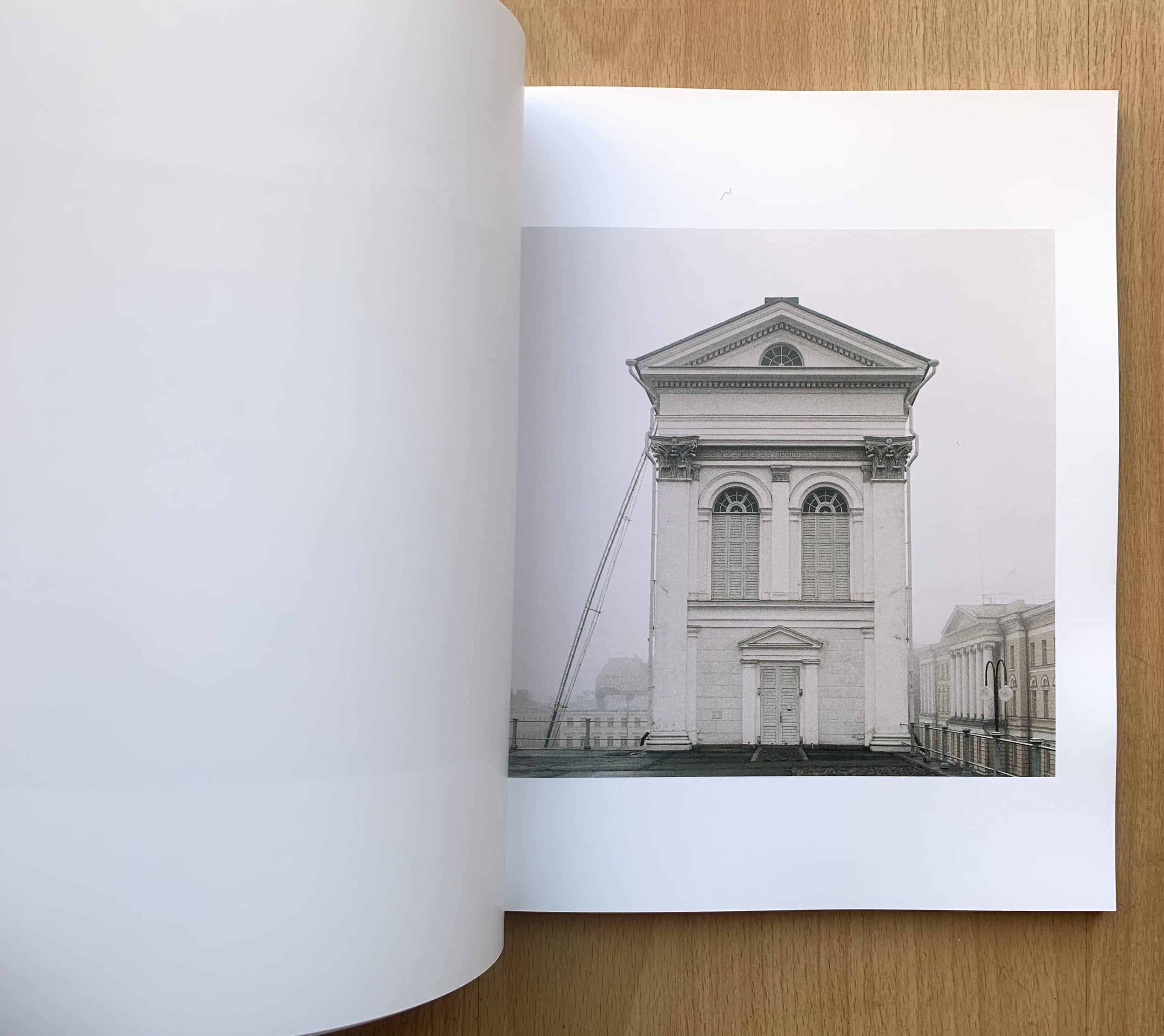
Planners, urban designers, architects. They plan a residential area, develop a city square or design a landmark building. They create a seemingly ideal world. Which only comes alive when people start to work, live and recreate in the created urban environment. When blades of grass peek through the pavement or scrubs start to overgrow complete sections of walls. When sun, rain and wind leave their mark on neighborhoods, squares and buildings. Over time our urban environment evolves. And gains in beauty, far beyond the imagination of architects, urban designers and planners.

From 2014 to 2020, Dutch photographer Maarten Vromans (1975, Rucphen) explored the impact that people, nature and weather have on urban development. For his ongoing ‘Urban Erosion’ project, Vromans frequently worked in Dutch cities such as Rotterdam, Amsterdam and Delft. And from time to time, he also took photographs in other European cities.

Movement. That is at the heart of Dutch photographer Maarten Vromans'  work and methods. Whenever he travels from one place to another – be it on foot, by boat or by train – he methodically records the altering terrain that passes him by. This could be the eroded buildings in an anonymous urban setting, but also the untouched landscape of a remote region, or the infinite distance on unspoiled open water. Vromans likes to move through transition areas: the no-man’s-land between residential, commercial and working environments; between built-up, cultivated and untouched areas. There, in places that apparently no longer belong to anyone, he makes photos that are tranquil, abstract and picturesque, and in which the subject always remains recognisable. 

His work has been featured in both online and print magazines such as GUP, Broad, BuzzFeed and Aesthetica. In recent years, Vromans’ work has been shown at fairs and exhibitions in Rotterdam, Amsterdam, The Hague, Budapest and London, among others. After a successful crowdfunding campaign, he compiled his ‘Lucky Shots’ series into his first photo book in 2018.

maartenvromans

Barry Falk in Docu Magazine

MAP6 Photographer Barry Falk has had his long term major project In Search of Amnesia featured in the latest edition of Docu Magazine. The work featured is from a trip Barry made to the Ukraine in 2019, which was part of a larger project documenting the small Jewish communities that still exist in the Kyiv region.

The images presented are from a documentary project, which I began in 2017 and completed in May 2022. These images are portraits from Ukraine, taken in November 2019, and are part of a larger project.

In Search of Amnesia is a long-term documentary project looking into the Jewish narrative in Poland and Ukraine. The project is concerned with memory; specifically, it is concerned with how Jewish memory is held in places that suffered atrocity and immense loss. The title of this project refers to a state of trauma: amnesia refers to repressed memories, searching for amnesia is akin to the process of being inextricably drawn to this deep sense of loss whilst at the same time unable to fully revisit the site of original trauma.

The images occupy this psychological space: the push pull between the horror and the wish to rectify history. In November 2019 I returned to Ukraine, this time concentrating on the Kyiv region, formerly part of the Russian Empire and the Pale of Settlement, a region that stretched from the Baltic Sea to the Black Sea. This region had for centuries, despite numerous pogroms, been a haven for Judaism and the centre for European Jewish settlement. Ukraine’s cities, towns and villages once held sizeable Jewish populations active in trade, commerce and politics.

Ukraine is still culturally and religiously significant to Jews: a major pilgrimage site for Hasidic Jews. This layering of history is crucial to the understanding of Ukraine, and of Eastern Europe in general, and is the contextual soil in which this project sits. The images presented were all taken in the Kyiv region. There is talk of a Jewish revival within Ukraine, with new communities growing in the large urban areas, such as Kyiv and Odessa, however in the rural areas there is a fast declining Jewish population.

My return visit to Ukraine, planned for 24th May 2022, to travel areas east and south of L'viv, reaching down to the Carpathians, was cut short by Russia's invasion of Ukraine, flipping Europe onto its back. Many of the places I had visited, people I met, have been caught up in the ensuing war.

The work features in the May edition of Documentary Magazine, vol 3, issue 5, which is currently available to purchase: @docu.magazine

barryfalk.com

MAP6 - New Publication

We are absolutely thrilled to announce our new photobook Finland: The Happiness Project. Featuring work by Richard Chivers, Rich Cutler, Barry Falk, Mitch Karunaratne, Chloe Lelliott, Raoul Ries, Heather Shuker, David Sterry and Paul Walsh, the book explores themes around the United Nations’ World Happiness Report, which in March 2022 ranked Finland as the most content nation for the fifth year running. The book includes over 100 images, an opening essay by best selling author Katja Pantzar, author of the The Finnish Way and Finding Sisu, and an introductory text by Danny Dorling and Annika Koljonen, authors of Finntopia. It is available alone, or for a limited time only with a A4-size archival C-type print.

We very much appreciate your support in buying the book, so we can continue to fund our further projects. Purchase a copy now from our shop.

Book details:

128 pages on 170gsm silk paper

254×210mm

Full colour throughout

Perfect bound softcover with front and rear gatefold flaps

Essay by Katja Pantzar, author of the The Finnish Way and Finding Sisu

Text by Danny Dorling and Annika Koljonen from the book Finntopia

Guest Feature - Tommaso Rada

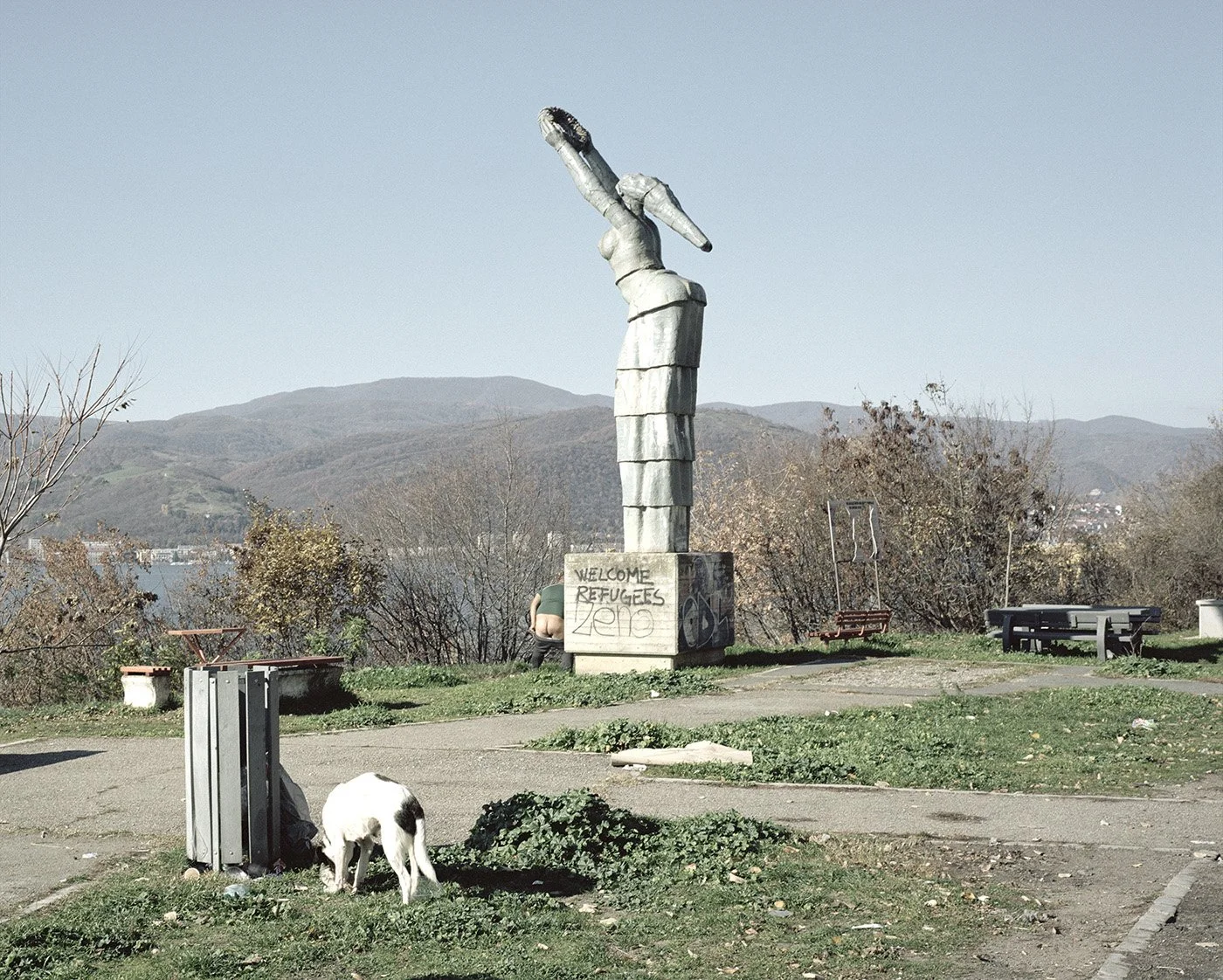
Since the creation of the European Union (EU) one of the goals has been the unification of different countries belonging to the EU and the abolishment of the frontiers between these countries. The Schengen treaty stipulated in 1985 has aimed to gradually create an EU without borders, and in 1990 the Schengen Agreement finally eliminated the borders between European countries, allowing the free movement of people across several European countries and the abolition of internal border controls. In the last decade separatist movements grew up all across Europe, the economical differences between the European countries increased, the foreign politics aren’t common for all the countries, and in a period in which Europe should consolidate its union new obstacles and challenges have appeared. The domestic borders of Europe, now – after the Schengen Treaty and with the European unification — are gone. Just mountains, rivers and imaginary historical lines, are what is left: a liquid frontier between apparently distinct countries.

The rivers, mountains and history trapped in these places define the communities, the interaction and the contact between the people of two neighbouring countries, where the territory and the communities shape reciprocally around a specific space – physical, human and cultural – that get dissolved in the same rivers and mountain places that divide them. Empty of its political value, from a strange limbo made of controls and checkpoints, the domestic borders became just a line on a map. The emptiness of the frontier, that should be filled with new life and dynamics after the unification, get reflected in the territory, and while the world around is changing, on the border the space is assuming a proper physiognomy. “Domestic Borders” became a route where each photo is a stop on the way, not searching for answers but interrogating the social reality, the relations between habitants, the territory and the meaning of Europe today. “Domestic Borders” is a dystopian portrait of the relationships between and across the borders, showing the challenges of living in a unique space.

Tommaso Rada is an Italian photographer currently living in São Paulo, Brasil. He is a documentary photographer working on socio-economic issues. His projects describe society, aiming to question rather than look for answers. His work has been published in several magazines and newspapers such as The Financial Times, Der Spiegel, Monocle, Popoli, The Washington Post and Forbes Brazil. He recently collaborated with Unicef Mozambique, Comunità di Sant’Egidio and Habitat for Humanity Portugal.

radatommaso.com

MAP6 In Discussion for Biblioscapes

MAP6 members Barry Falk, Paul Walsh and Richard Chivers were recently in discussion for an episode of the Biblioscapes podcast. You can listen to them discuss the publication The Isolation Project as well as the inner workings of the collective and some of their favourite books.

The Isolation Project has also been featured in the Bibliocapes library. Many thanks to Euan for the discussion and the feature, which you can check out here.

Guest Feature - Tessa Bunney

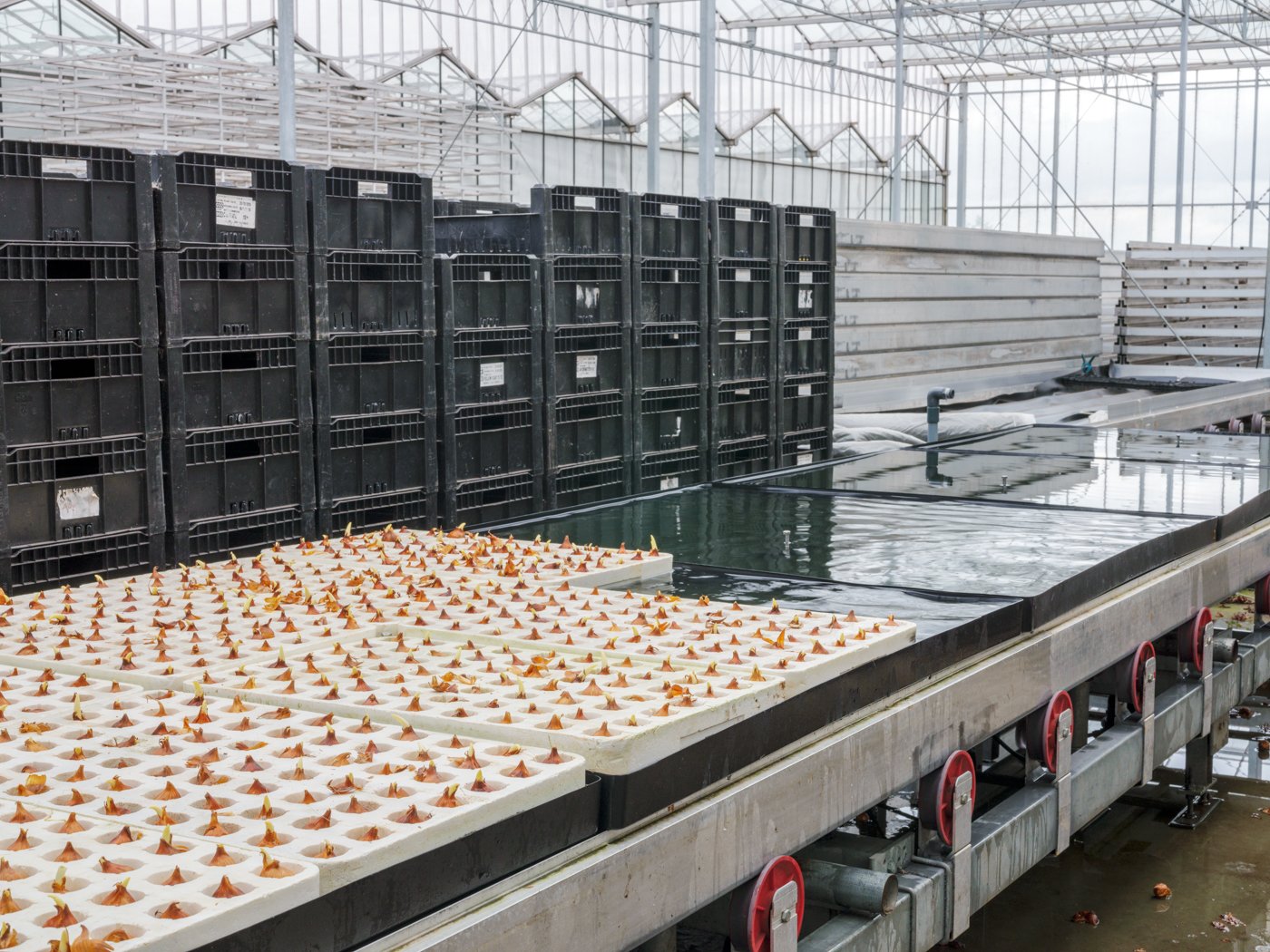
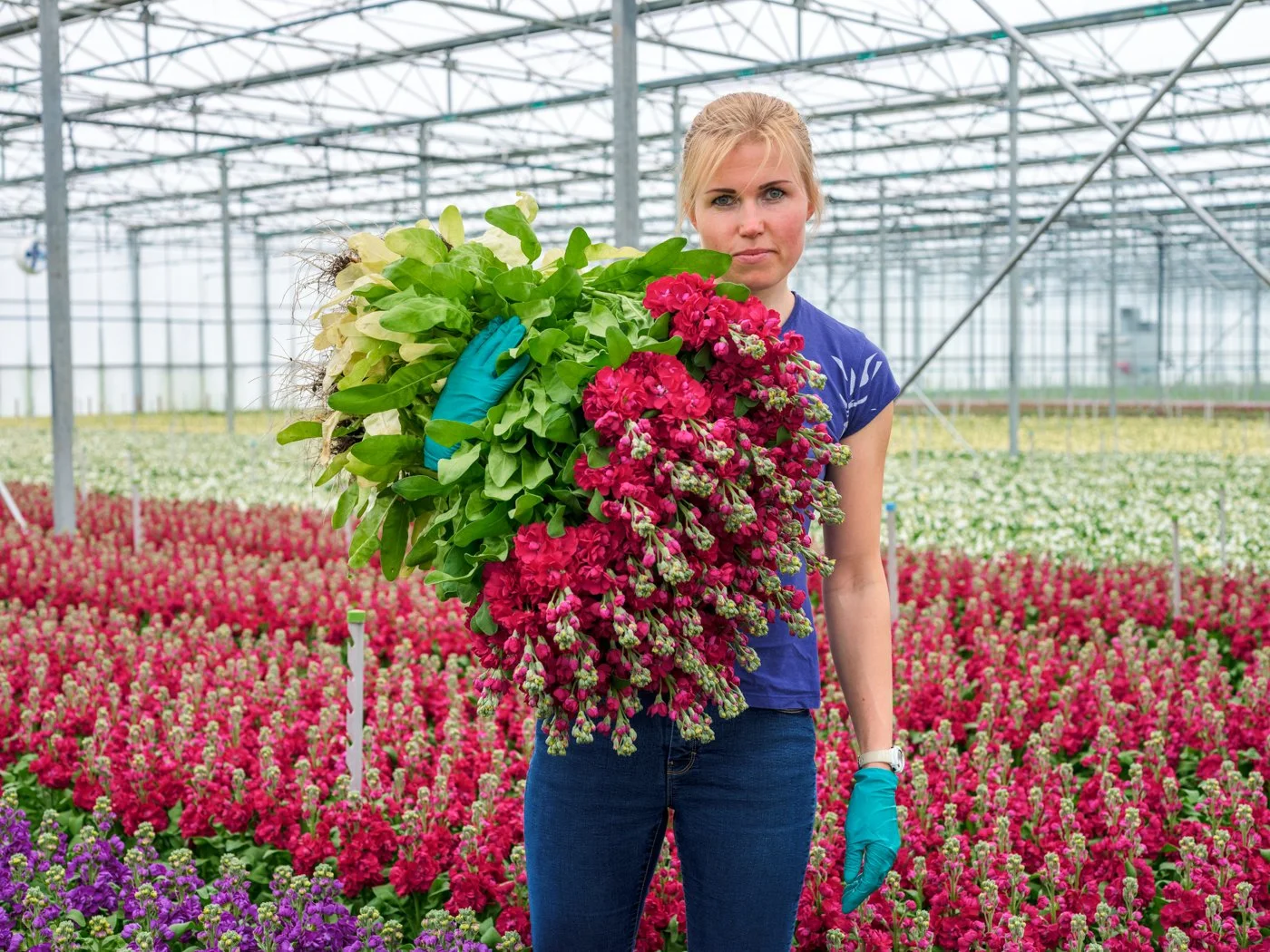
We are a nation of farmers, of gardeners, of flower lovers and our cut flower industry is worth 2.2 billion pounds a year. Flower farms were once a familiar feature of the British countryside, but were gradually expunged by industrialised growing methods in the 19th century and then globalisation in the 20th. In the series The Flower Fields (commissioned by NEPN as part of Observe Experiment Archive) I worked with traditional Lincolnshire mixed rotation family farms and larger commercial flower growers around Spalding in Lincolnshire, one of the UK’s major cut flower growing regions, to explore how technology is changing how we grow flowers in this country.

These larger commercial growers mainly grow a handful of different flower varieties on an industrial scale, often supplying to the supermarkets. They are pioneering the use of various technologies such as hydroponics (the growing of bulbs in a nutrient-rich solution rather than soil) and improved efficiency by the use of automated lines and optical graders. The series is located in South Holland, a rural district in the south east of Lincolnshire where man drained, reclaimed and enclosed nearly three quarters of a million acres of fenland beginning in the 17th century. By the late 1800s flower bulbs produced both for cut flowers and for sale as a dried bulb were a well-established crop in the Spalding area.

For over 30 years, Tessa has photographed rural life, working closely with individuals and communities to investigate how the landscape is shaped by humans. From hill farmers near her home in North Yorkshire to Icelandic puffin hunters, from Finnish ice swimmers to Romanian nomadic shepherds, her projects reveal the fascinating intricacies of the dependencies between people, work and the land. FarmerFlorist was recently published by Another Place Press as part of their Field Notes series, and in early 2020 her exhibition ‘Otherwise Unseen’, bringing together four series which explore various rural communities in Europe and South East Asia was shown at the Side Gallery in Newcastle-Upon-Tyne, Britain’s only documentary photography gallery. She is currently working on Made out of Orchards commissioned by the Martin Parr Foundation and Going to the Sand, an ongoing personal project collaborating with Morecambe Bay fishermen both of which will be exhibited in 2022.

tessabunney.co.uk

Guest Feature - Oliver Raschka

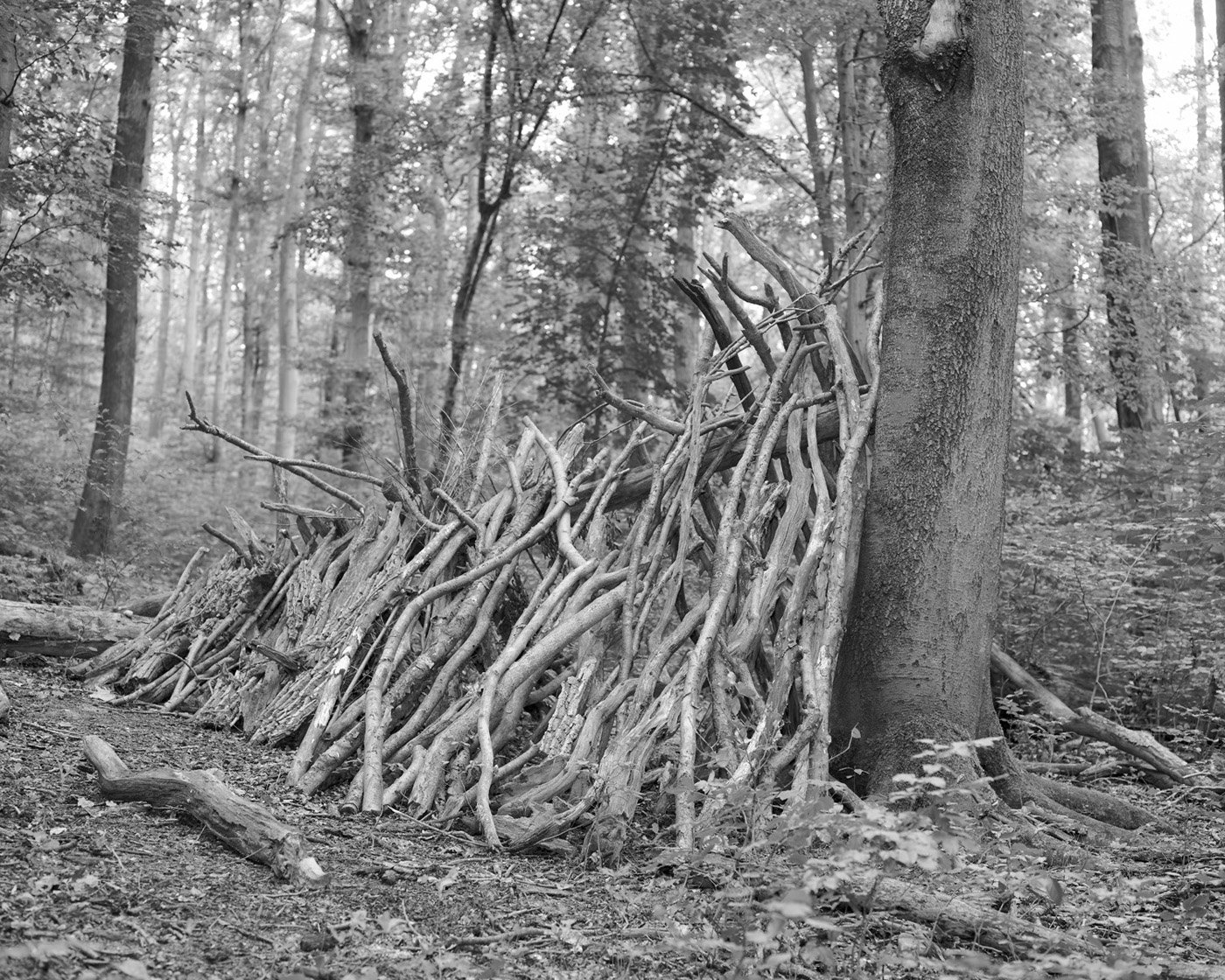
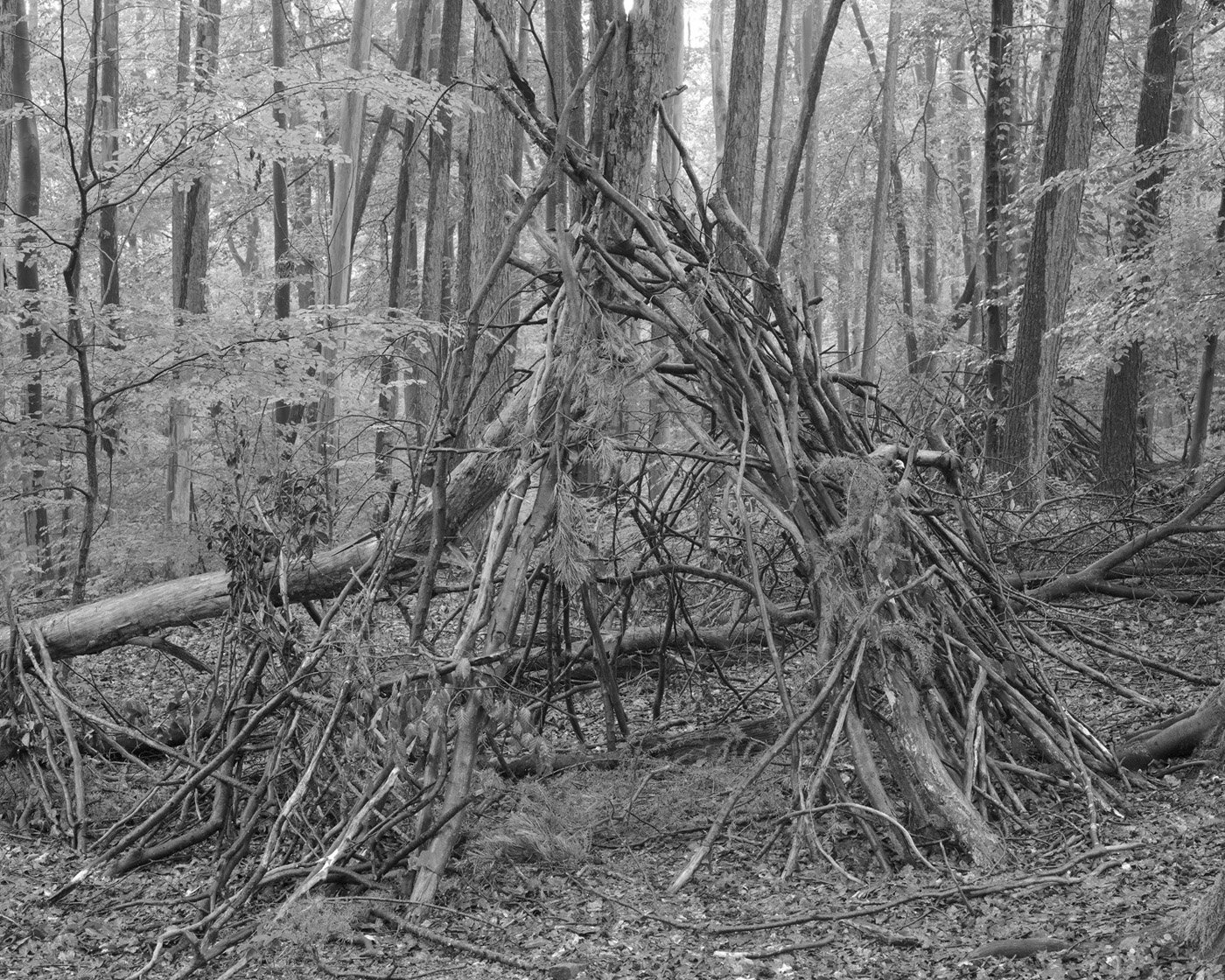
SHELTERS is a typological documentation about the temporary and individually erected dens of old wood during the pandemic. Already at the beginning of the pandemic, I noticed the numerous and newly constructed above-ground dens made of old wood. I photographed these various constructed buildings during my daily and long walks around my house through the nearby forest at the outskirts of Stuttgart, Germany. All photographs were taken within a three mile radius. Many of these dens are not located in a light-flooded forest meadow, but hidden like small shelters between trees and dense bushes.  Some of them are only one meter in height combined with a very low entrance, while others are up to three meters high and rise out of the dense thicket like tipis. The main material consists of beech, maple, ash or oak trees. They vary in structure and design. Some are built very solid with a basic knowledge of architecture, while others did not withstand any storm.

Young teenagers, but also parents with their children, have built them in hours or even days. In a time of drastic social change and severely limited social contact opportunities, these newly created places provide small oases of calm, reflection and distraction. Time due to the absence of the usual leisure activities, the home office, and homeschooling is plentiful. The new discovery of the nearby forest is therefore a good opportunity. The dens represent small havens for a few hours in a serene world. Throughout the history of mankind, people have sought shelter in the forest during tense times. Over time, the shelters have been expanded or parts of them have been used for other shelters in other places in the forest. Now after two years of pandemic and the relaxations in force again, these transient shelters seem to have had their time. The forest makes the ephemeral constructions its own again.

Oliver Raschka studied and holds a doctorate in the field of behavioural economics. This helps him to capture the dynamics and specifics of social relationships in his photography. For many years, the photographic autodidact has been dealing with the subject of family and the search for his own identity, among nature and other things, in documentary format. He loves black-and-white photography, coffee is the drug of his choice, and loud rock music is what he likes. A first book documenting the lives of his sons over a period of ten years was published in 2020 via BUMMBUMM BOOKS (Cologne). He lives with his family in Stuttgart, Germany.

oliverraschka.com

Aaron Yeandle Turpentine Podcasts

The Turpentine Galleries Podcast was founded in 2020 by the artist Sally Ede-Golightly. All episodes feature a guest artist that selects three works of art that are important to their practice. One of the choices must come from their own body of work providing an opportunity to discuss their artistic journey and inspirations.

Joschi Herczeg

Series one featured artists working in and around London who were chosen and interviewed by Sally Ede-Golightly. Series two features a selection of artists with studios in Switzerland who were chosen and interviewed by MAP6 photographer Aaron Yeandle. Aaron first got involved with the Turpentine Galleries Podcast when he was invited to be on the first episode in series one. For series two he was responsible for delivering, interviewing and organising four episodes.

Bentt Bengtsson

The Motivation behind the Turpentine Galleries podcasts are to explore and investigate the journey of an artist and what inspires, influences and drives their practice. Furthermore, to inform and to learn from these inspirations and experiences. 

Peter Tillessen

The podcast episodes can be accessed either through Spotify here or on the Turpentine Galleries website here where you can check out the four episodes hosted by Aaron and more.

Guest Feature - David Bard

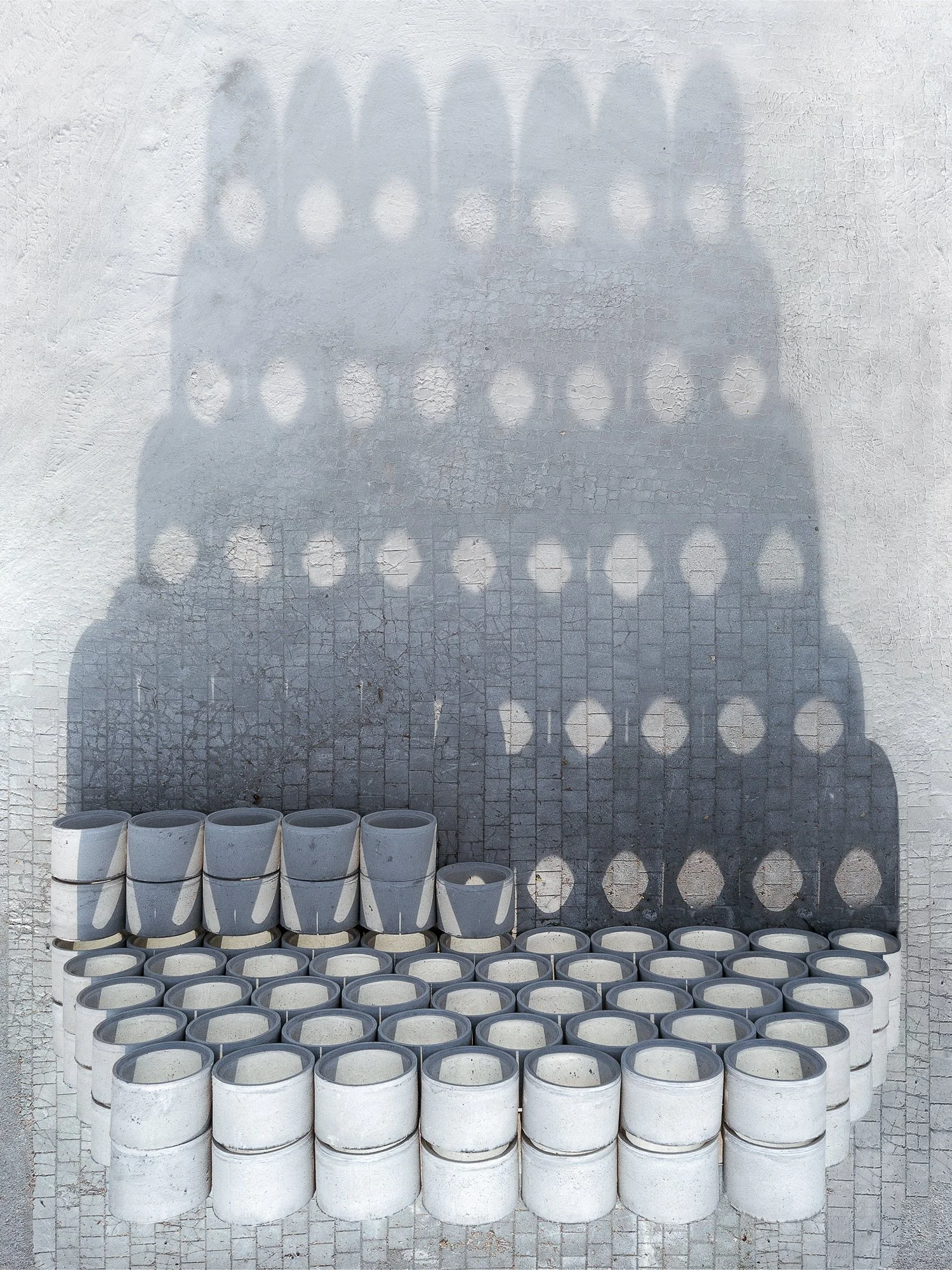
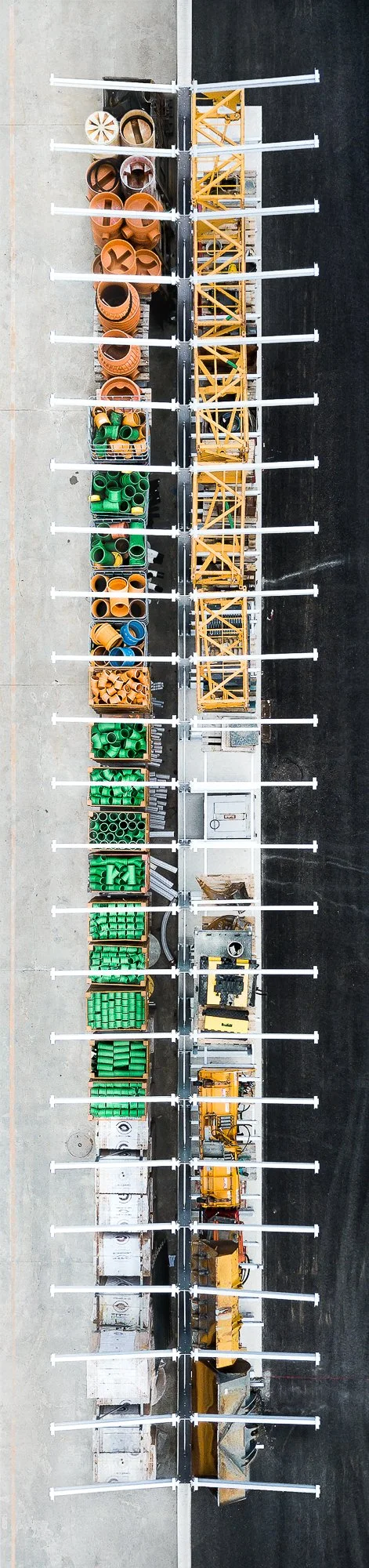
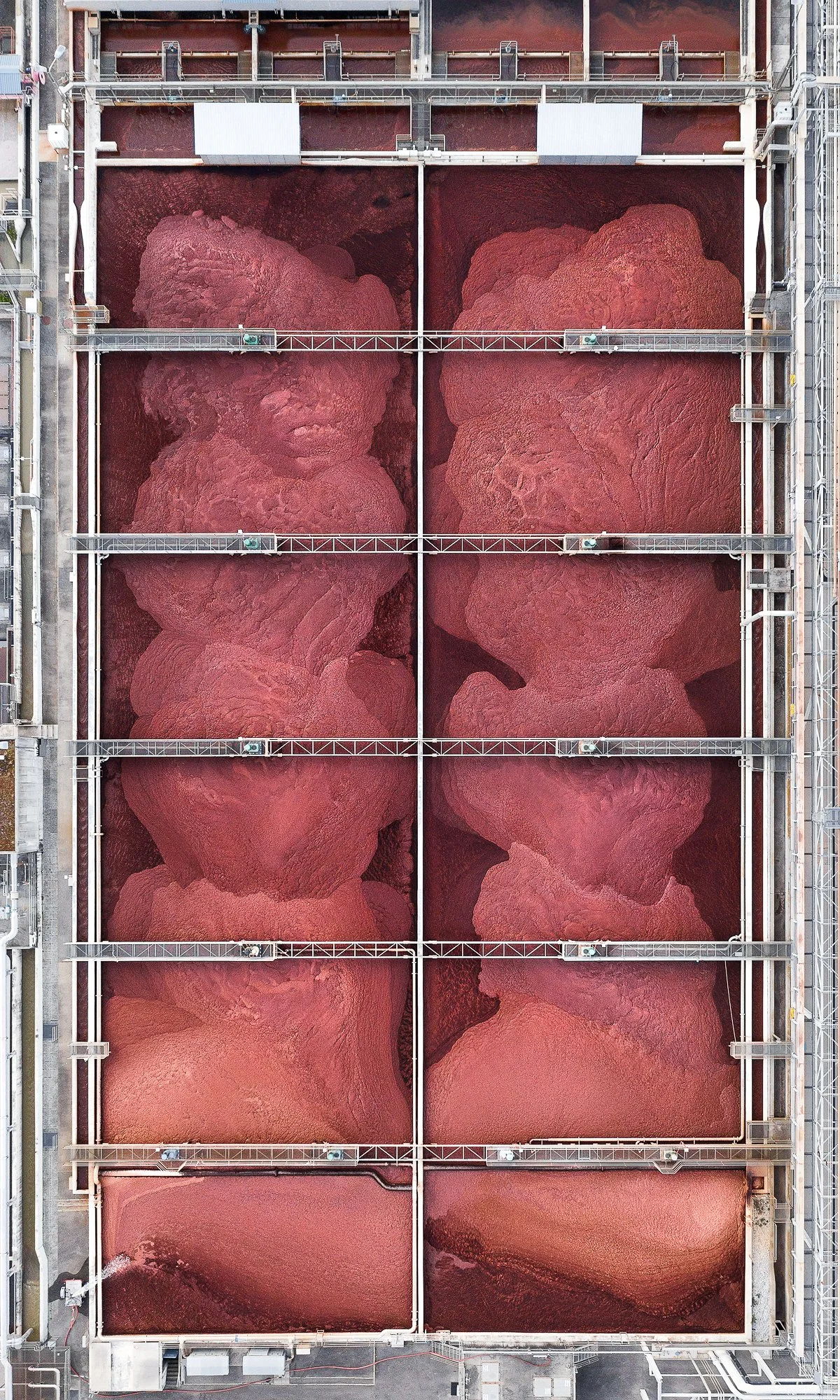
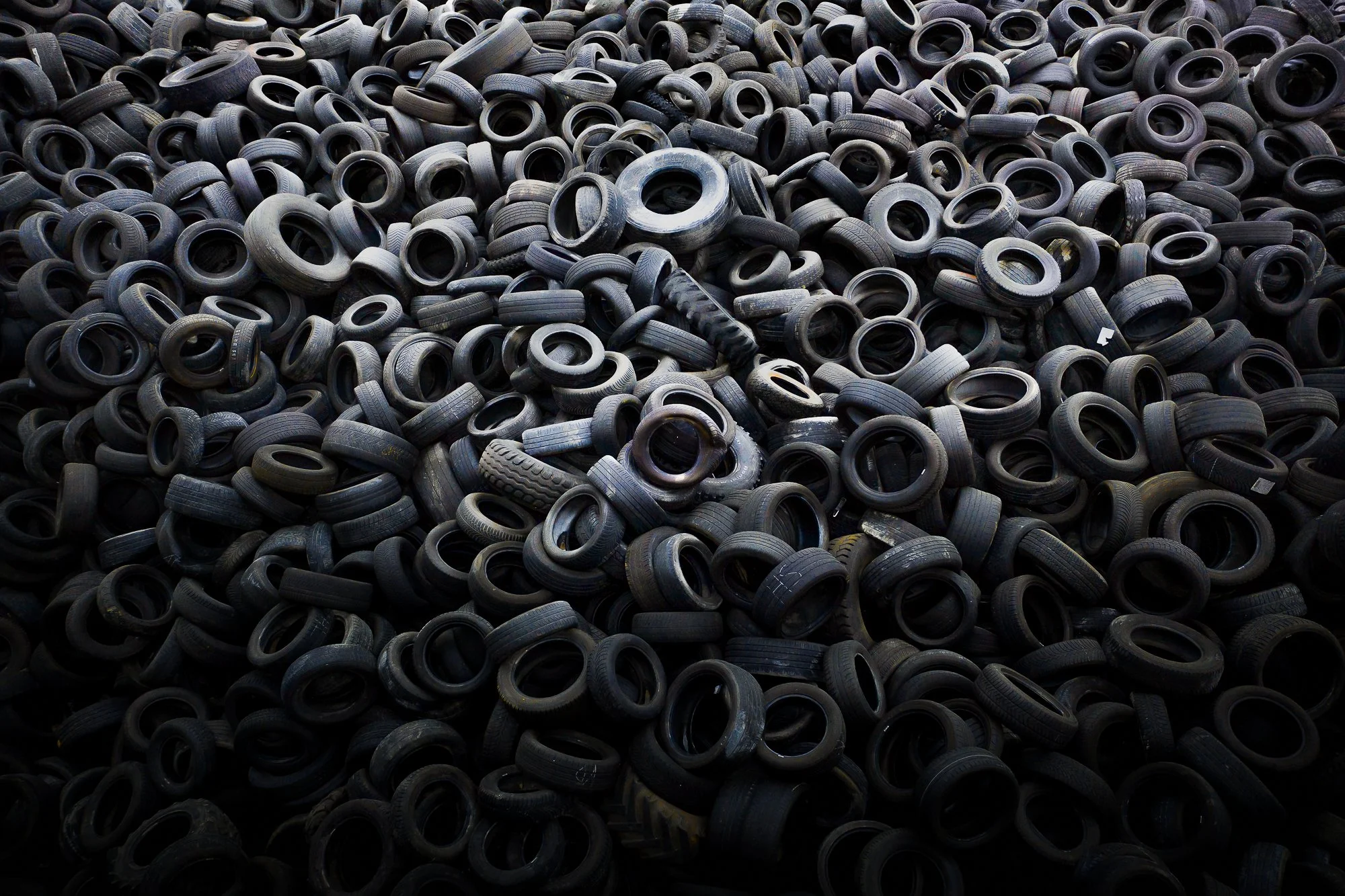
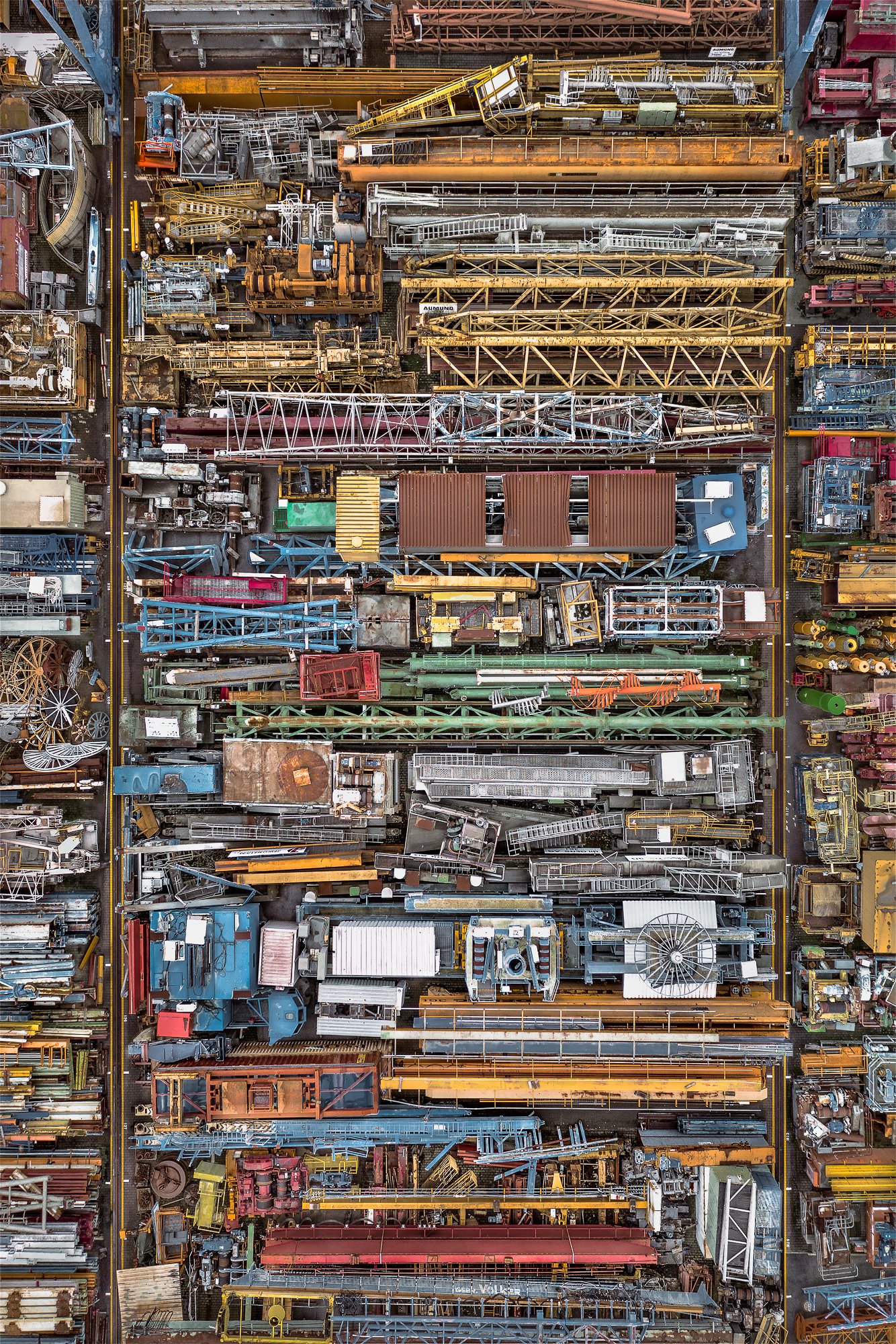
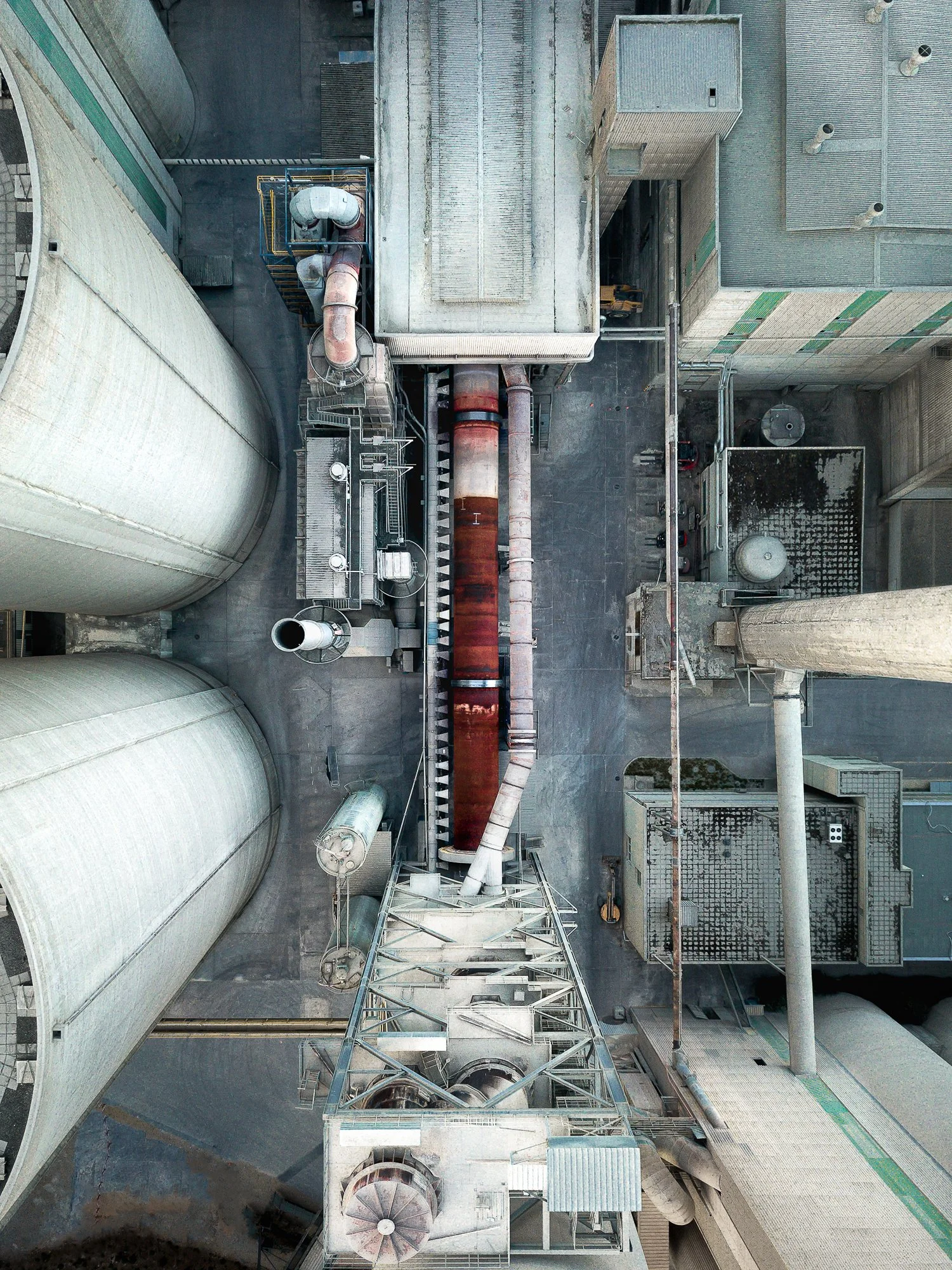
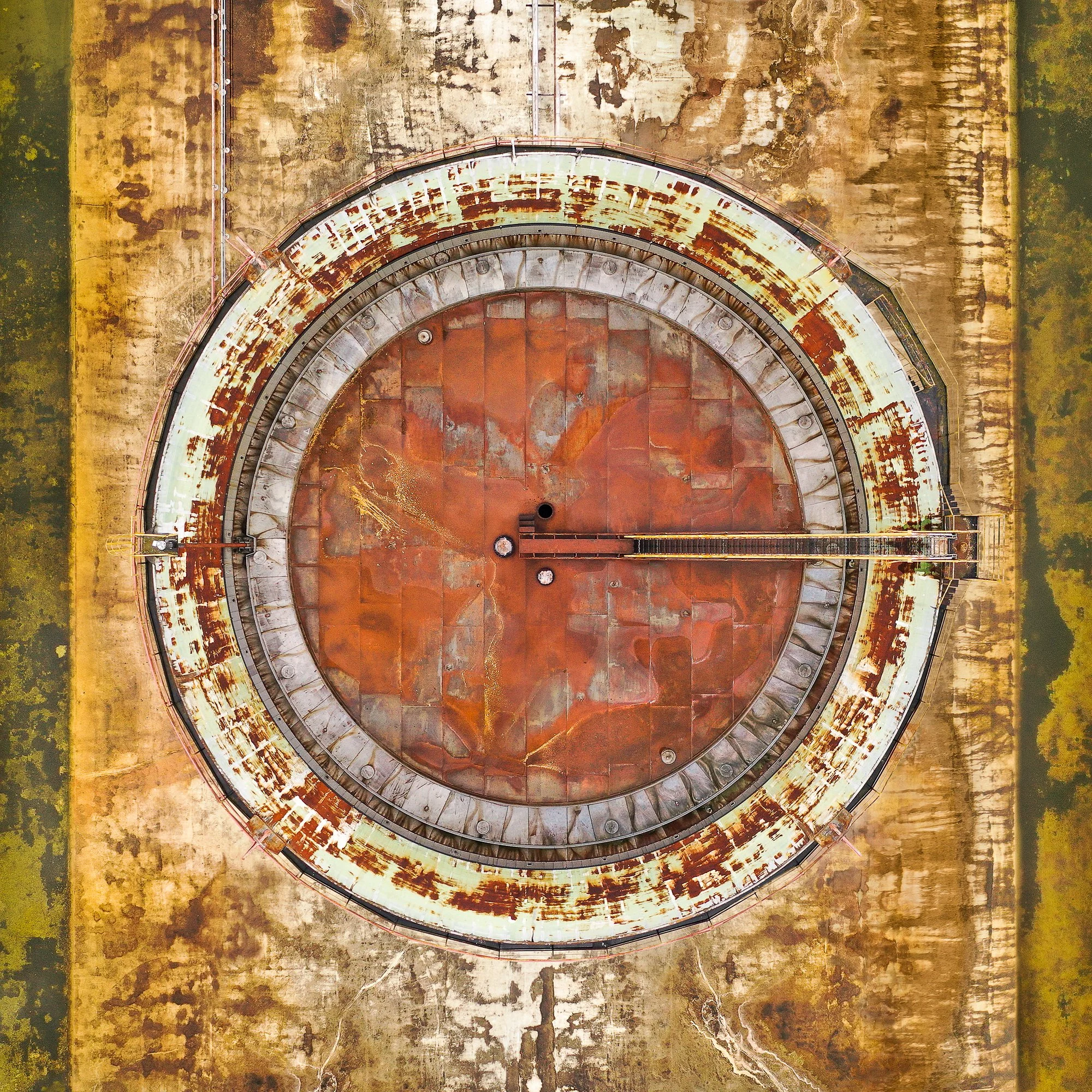
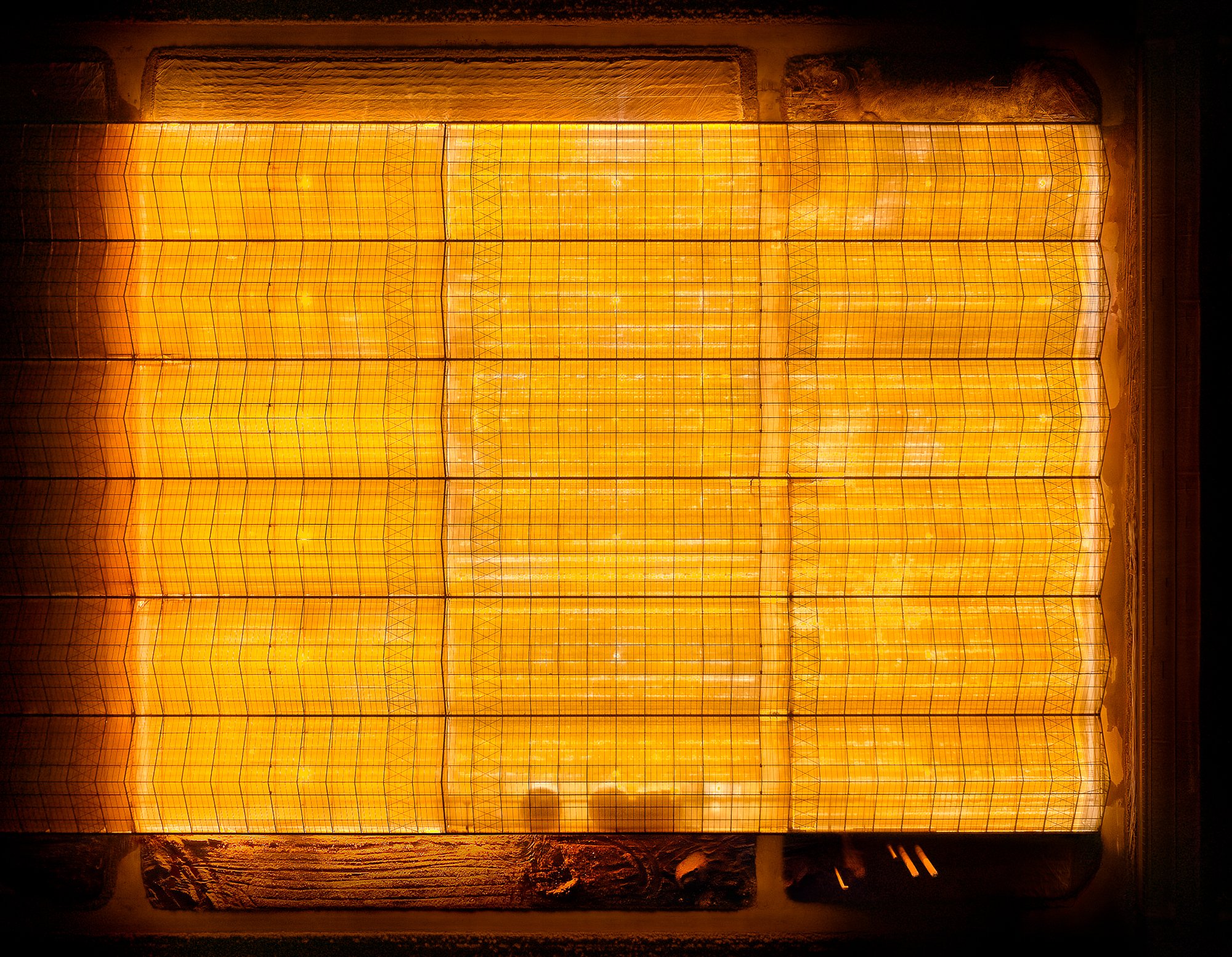
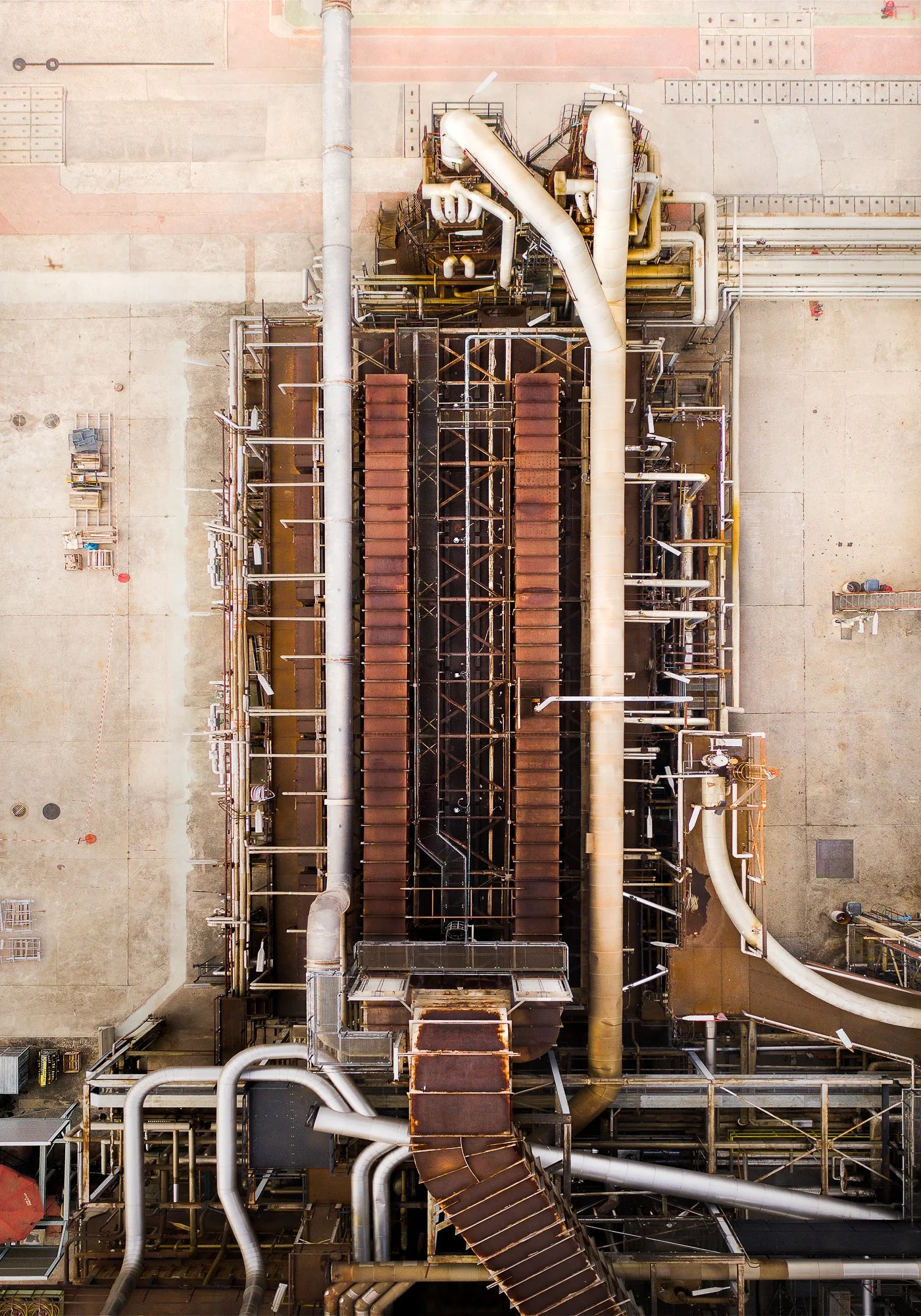
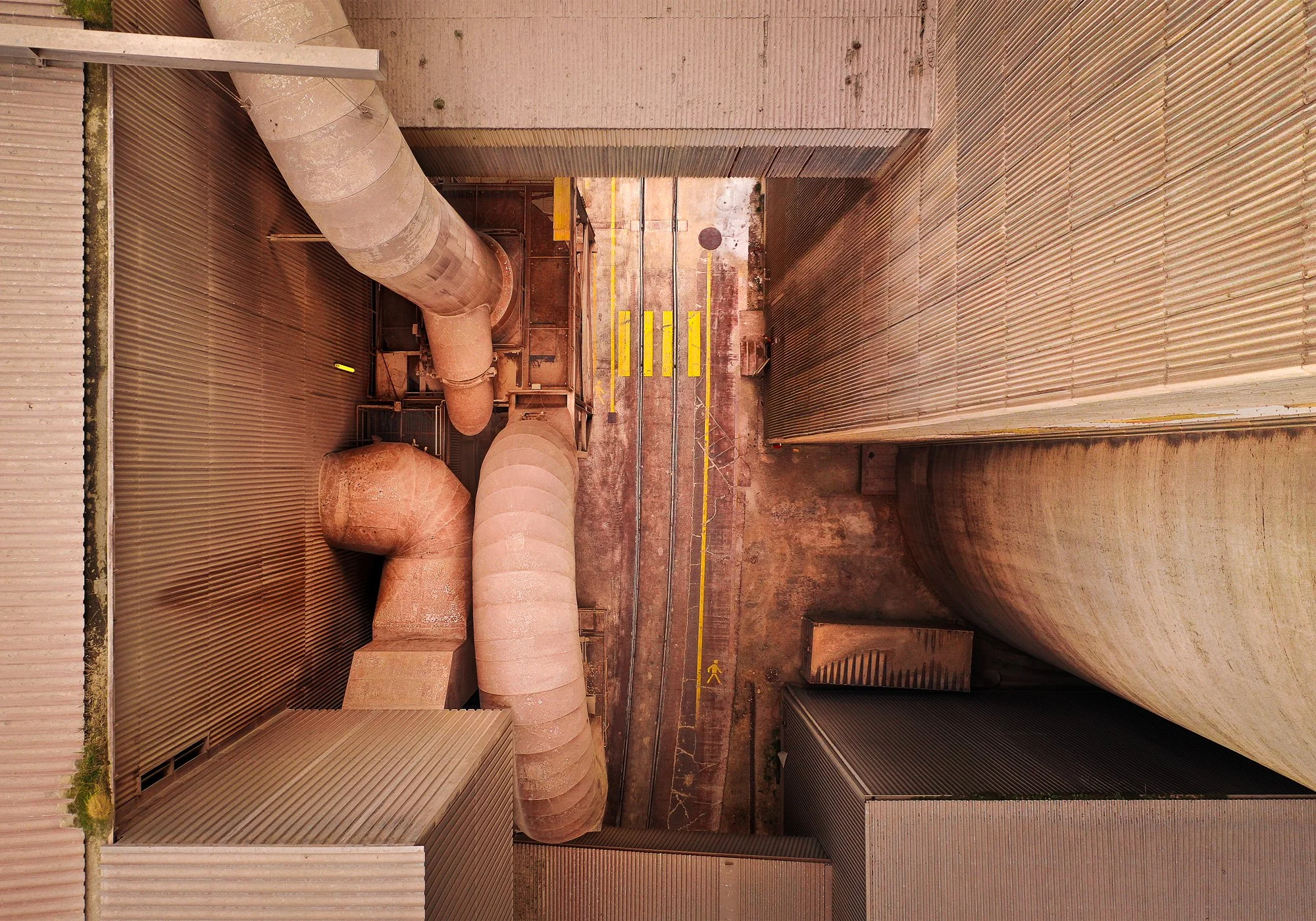
The building frenzy and the amount of fast construction that characterises our environment today is questionable. Today's modern man is constantly in search of quick gratification. The gaze of our commercial society is content with an illusory perfection that promises us instant satisfaction. The idyll of this world dominated by sensationalism, which relentlessly fuels our desire, then represents a reduced décor of the complexity of our environment. So we live surrounded by places that flaunt their brazenness without restraint and remind us of their limitations through so-called enticing artifice. Day after day, this race for the extraordinary leads us away from what really makes our cities, our villages and our landscapes: the insignificant. If we disregard this false cosmetic beauty, the marginal is revealed as the raw material of our surroundings. Invisible and transparent, ordinary and banal, the trivial is raw and crude because it is honest and perceptible. We quickly turn away from it and show no interest in it at all. And yet we very rarely become aware of the importance of its role as an essential part of our daily lives or even try to understand the extent to which the trivial is the basis of our social, cultural and urban structures. But beyond this conformist rigidity, which tends to reduce our perception of reality, shouldn't we embrace a new ambition that, precisely through the bland and the ordinary, can produce things that are surprising and extraordinary because they are precisely unsuspected? 

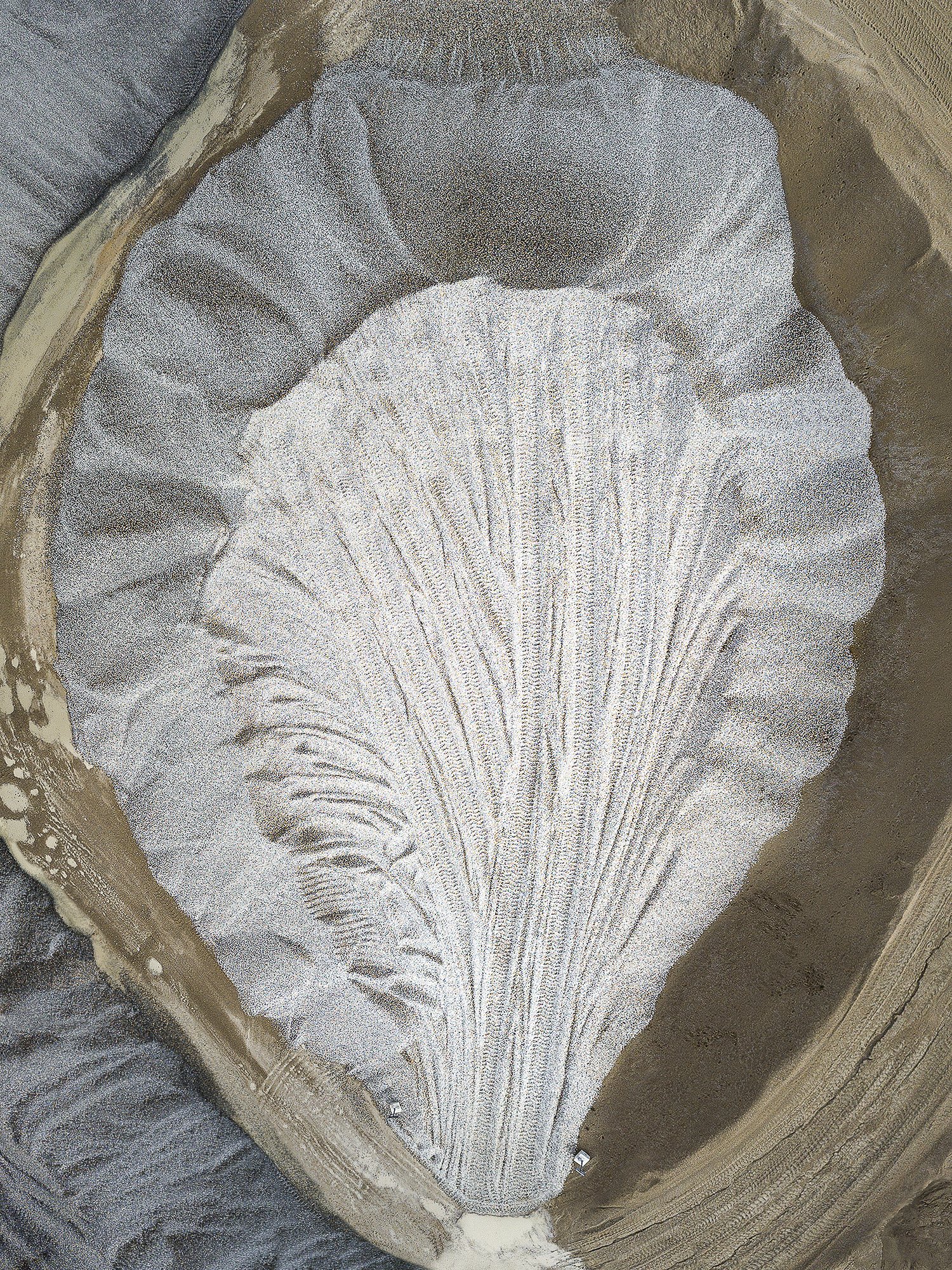
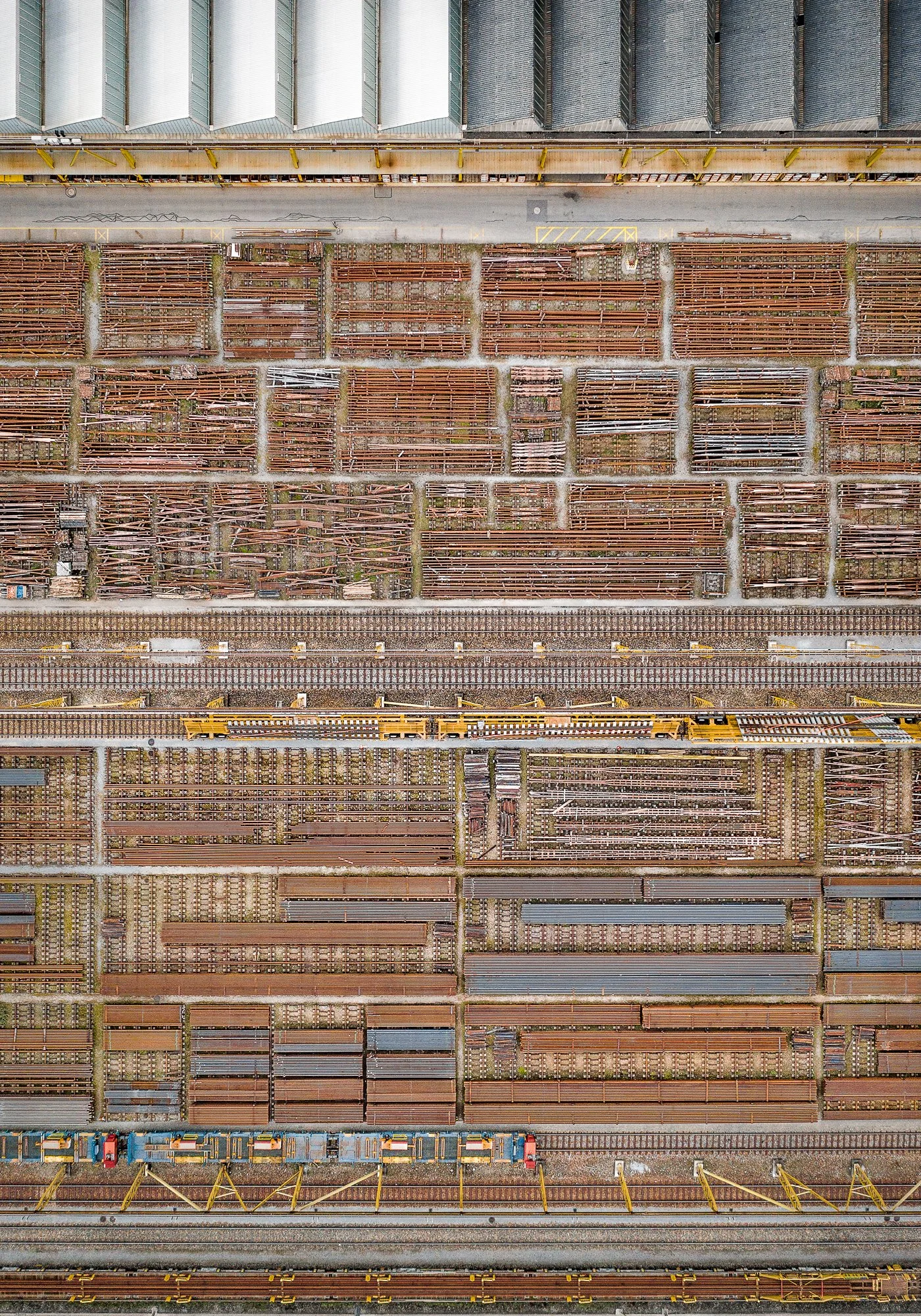
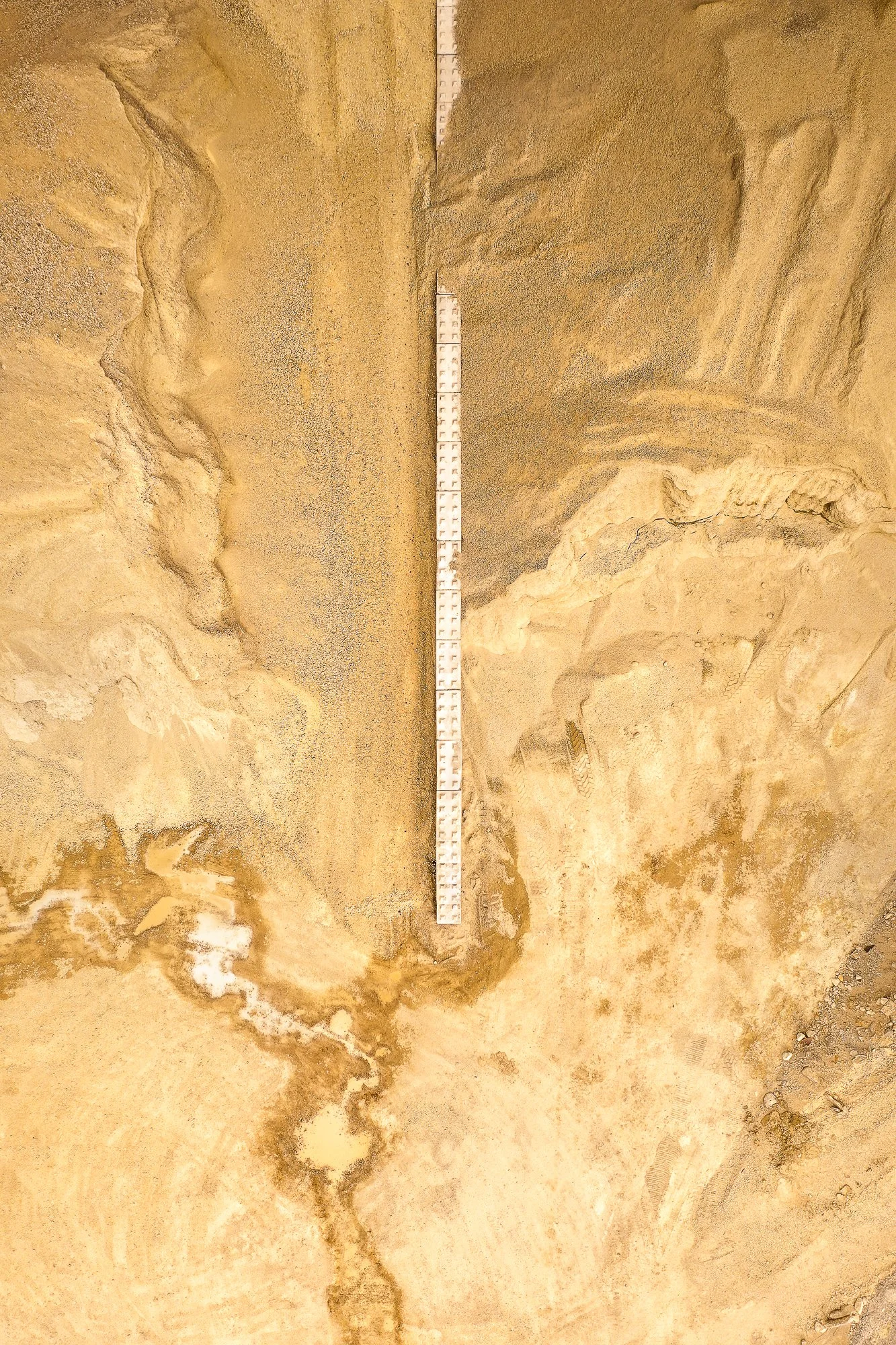
The industrial area was built for a sole purpose: to serve us. Both connected to and isolated from the environment in which we live, this landscape, greatly altered by the hand of man, hides behind its strict fences the aggression and power that characterises it. Well protected from any intrusion, an industrial area thus hardly lets the ruthlessness of its buildings shine through. Marked by the rationalisation and efficiency of its activity, an industrial area loses this coolness and sobriety as soon as the beginnings of a new use makes themselves felt. Nature takes over its ancestral place again and begins to expand, new values are gained or space is solemnly made for the city once more. Within these barricades, spaces emerge that are expressions of raw crudeness, whether through the huge, oversized scale of the buildings or the almost inhuman vastness of the surroundings. At night, these vast, endless expanses evoke a sublimity of absolute silence, but during the day they seem wild and terrifying. Whether they are fragile metal halls, monstrous steel machines or raw materials waiting to be transformed, they inspire us with their outrageous beauty. The astonishment of this fact, which at the same time evokes a feeling of fear but also of a great respect, makes us reflect on what we have always overlooked.

A bird's eye view is abstract and unusual. It distances us from preconceptions and arouses our curiosity because of this new possible overview. This vantage point over an isolated industrial fortress offers an extraordinary opportunity to immerse ourselves in its intimacy. Through the complexity of these installations, we discover the immediacy of their clustered arrangement, which can evoke wonder at a modest but striking honesty. These examples show quite concretely how much the value of a subject depends only on the eyes of the beholder. And no matter what the nature of the subject, the splendour of an earnest and modest richness is just waiting to be brought to light under attentive eyes. 

David Bard is a young Swiss architect. In 2019, he founded his own office, called BARD YERSIN architects, together with his partner Thibault Yersin. His photographs are a continuation of his theoretical and architectural research on the brutalist ethic, questioning our relationship to the founding elements of the art of a building. For him, photography is a way of revealing the expressive force of his reflections on raw material and immediacy. The series The Hidden Face was exhibited as part of "Primal: the interest of disinterest", in January 2022 at the Musée du papier peint in the Château de Mézières. The plan was to show a world frozen in superficial landscapes in a new perspective and to convey the fascination that comes from discovering forgotten and disreputable territories. Prejudices are refuted by the clarity and exactness of the photographs.

davidbard.com

Guest Feature - Sebastiaan Franco

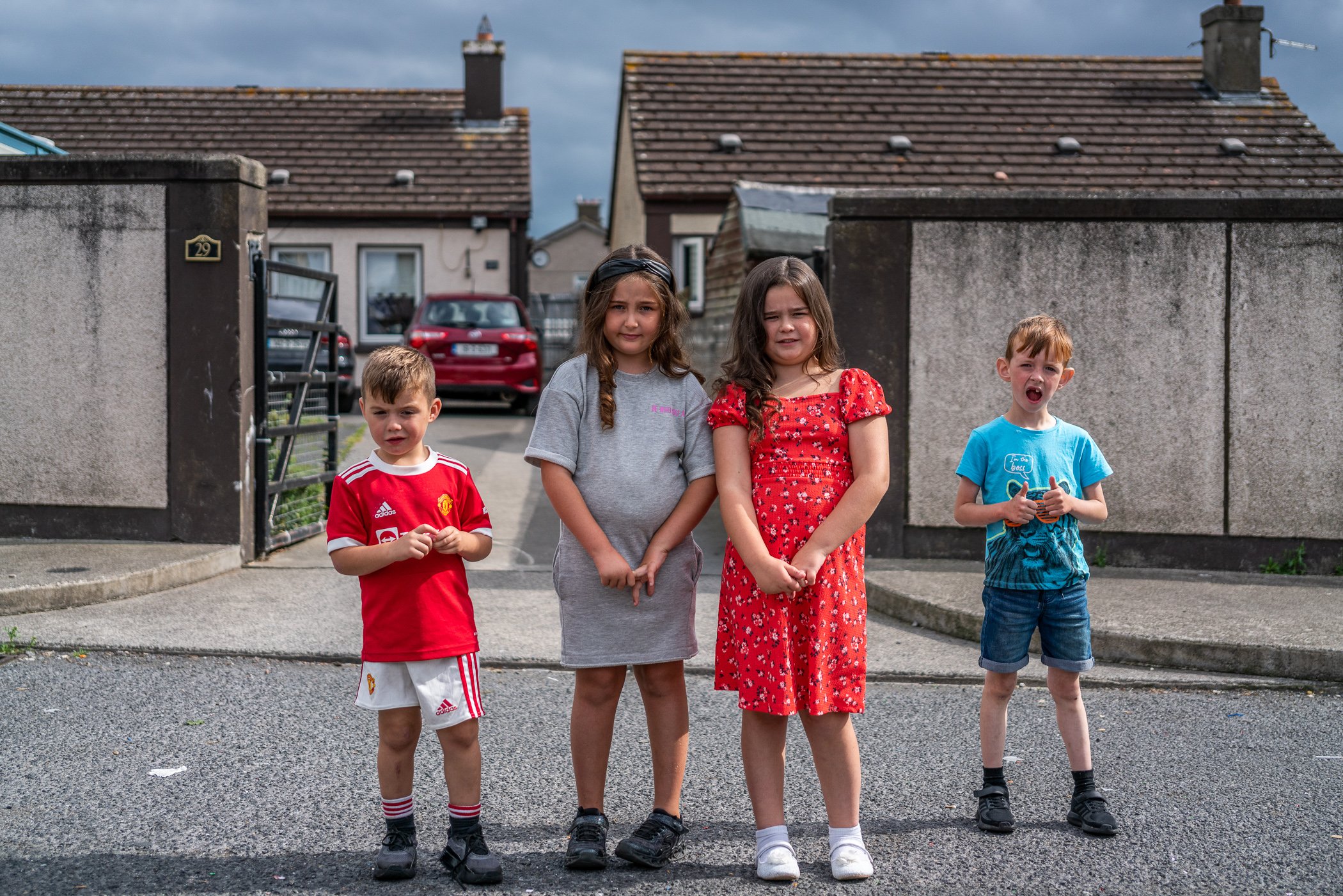
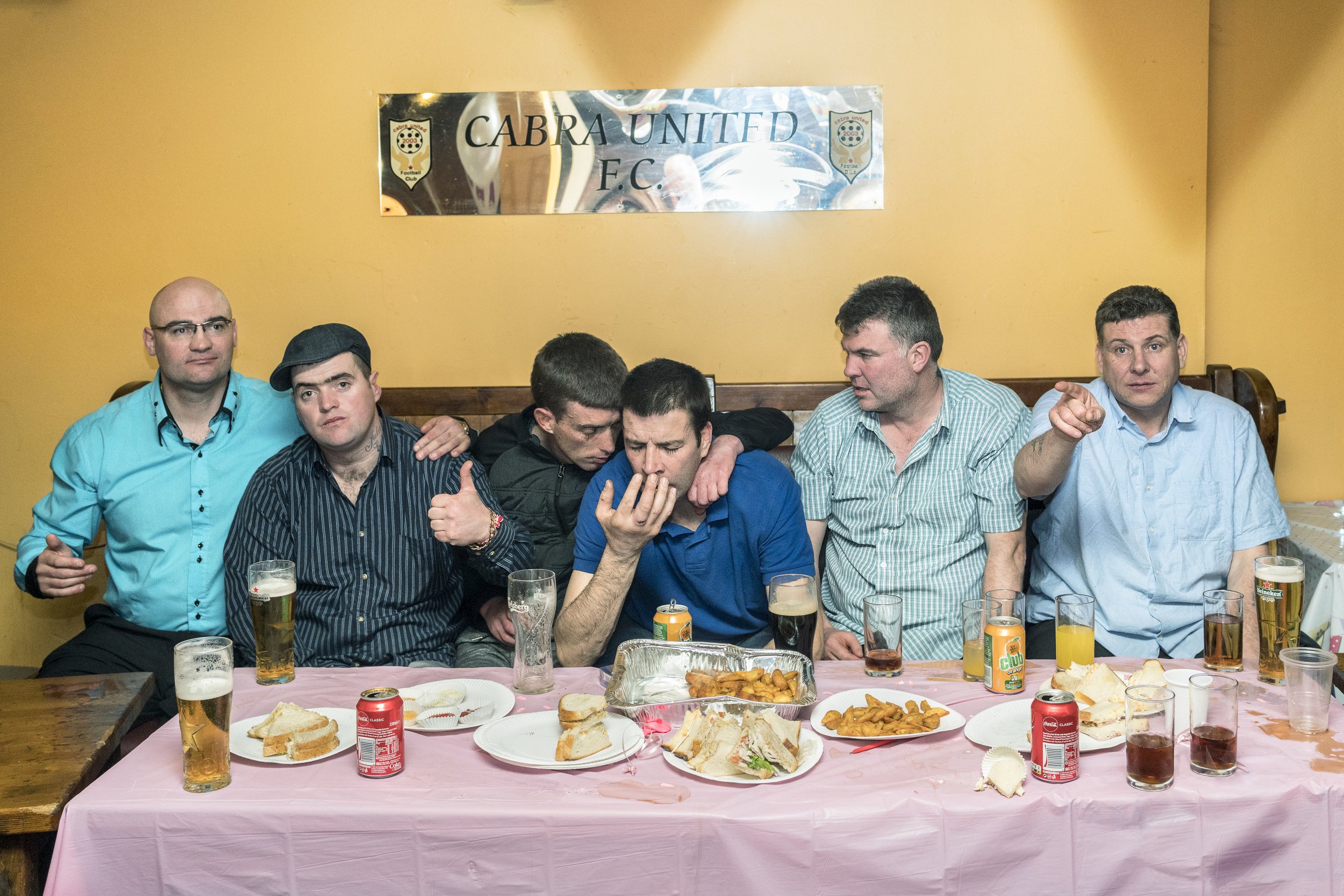
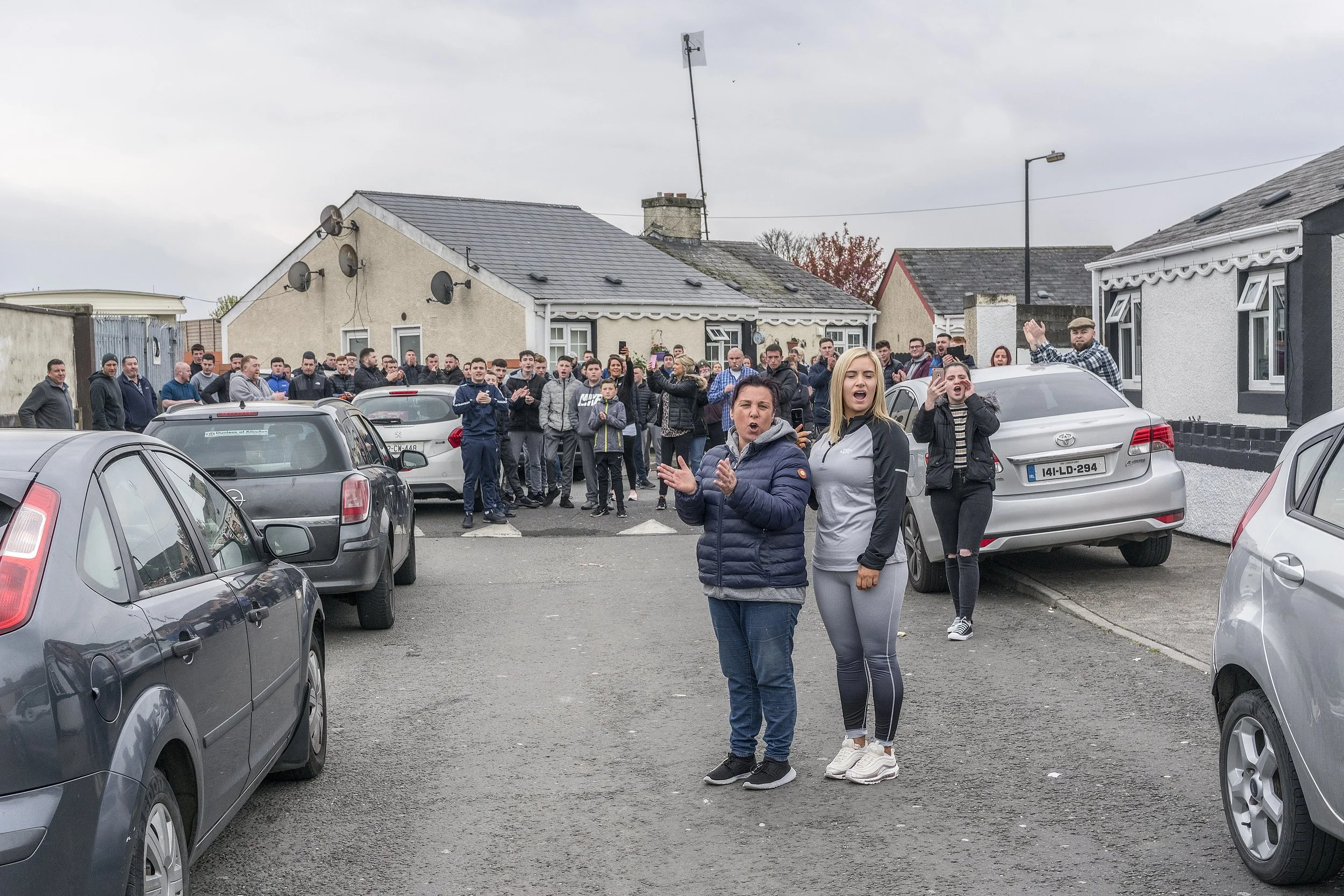
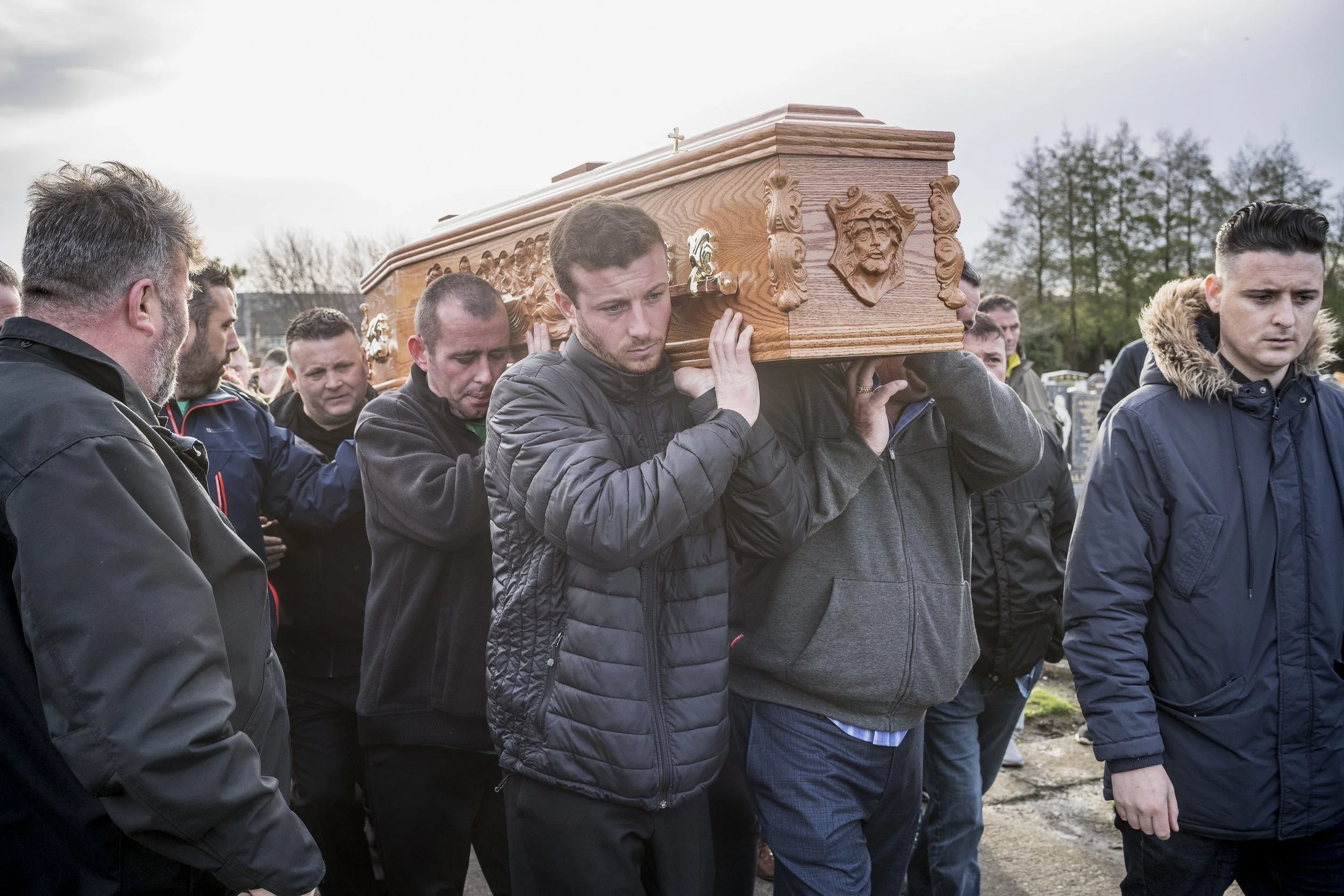
Anásha is a word that has different meanings and ways of writing, depending on where you are in Ireland and who you’re with. Roughly translating as ‘immediately’, it’s a word used to make someone pay attention to what’s happening around them. It might be used to point out a person or a situation that is out of the ordinary. The term comes from Gammon, a language only spoken by the Irish Travellers, invented after the Cromwellian settlement of Ireland in 1649. During this time land and homes were repossessed. And to escape British rule a part of the Irish people turned nomadic. While on the road they developed their own cant, a mixture of Gaelic and English to communicate with other traveling families. They were named ‘an lucht siùil’ or ‘the walking people’. Supposedly that’s where this culture started. They would travel around the country, selling wares or work for farmers before setting off again. Like most outsiders they were not welcome everywhere and got different names over the years. Pikeys, knackers, gypsies, vagrants or Travellers, with the latter being the official name now.

Around the 1960s the Irish government started group housing schemes where Travellers moved into permanent housing. They called it ‘the assimilation agenda’ which was aimed at integrating the community into society. Councils started building inexpensive hut-like accommodation, first Labre Park near Ballyfermot, then Avila Park in Finglas, hoping that by offering social housing they would finally settle. These accommodations were mostly located in impoverished areas around big cities, forcing them to integrate in a society they tried to avoid for generations. 

This didn’t work as intended and instead of Travellers finding their place in general society they became more and more involved with the so-called ‘undesirables’ of the settled community. This led to criminality, violence and even addiction with younger generations. The past few years a few initiatives have been working with local families to promote education and fund housing for  families that settled in the outer suburbs of Dublin. Working together with the Finglas Traveller Development Program and Dublin City Council, I was offered an audience with president Higgins, which was also a chance for representatives of the site to have an open and honest discussion with policy-makers.

I’ve lived with the Collins and Keenan families in Finglas for over two years. First as an outsider but through spending months and months with them I slowly became part of the family. I left Dublin due to family matters in 2019 and was not able to travel the year after of course, but I rejoined the families for a while during the summer of 2021 to continue photographing and writing about their lives, with more trips planned in 2022.

Sebastiaan Franco graduated from the MA Photography program at the Royal Academy of Fine Arts in 2019 with a self published book on two years spent living with Irish Travellers. During his studies he worked on assignments both in Belgium and abroad. He also self published his BA project about hooliganism culture in his city of Antwerp, Belgium. After graduating he spent two years working as an interior/architectural photographer for various agencies. At the moment he works as a photographer for the Medialife production house in Hasselt and Aartselaar, pursuing documentary projects in his spare time.

sebastiaanfranco.com

Guest Feature - Daria Piskareva

This is a series of photos about the village where I grew up. I started working on this series in 2019. I was capturing in photos the area that I had known since childhood, the life of our family. It wasn't until some time later that this series took shape into something coherent and meaningful to me - I tried to make sense of what home means to me. Probably many of us have to face this kind of reflection at certain points in our lives. In our youth, drawn by the new and unknown, we often dream of leaving home as soon as possible, finding our surroundings tedious. And it seems that it is only with age that one comes to understand how important it is to have a place that can be identified as home, finally accepting it in a completely honest manner, realizing also the underside of this sometimes heavy connection with all the imperfections of the surrounding reality. I am in this context no exception at all. Accepting this interconnectedness has inspired me and allowed me to look at things long familiar to the eye with renewed interest.

This is a small village in the South of St. Petersburg, Russia. I find a lot of space and beauty there, but of course what makes this place special is the relationship between the person and the environment in which you happen to spend most of your conscious years, which has also participated in your formation. The influence seems to be a reciprocal process. We sprout like trees, putting down roots, ourselves wrapped more and more tightly in memories, alone and together with our loved ones, becoming part of the landscape. We find traces of our surroundings, leaving our own traces around us. 

Daria Piskareva was born in St. Petersburg. In 2011 she graduated from the university and got a degree in economics. In 2020 she won a grant to study at the school of contemporary photography Docdocdoc and in 2021 she finished the course Experiments in Contemporary Photography. Currently she works as an accountant and at the same time continues her personal photography projects. Daia lives in St. Petersburg, Russia.

dariapiskareva.com

Richard Chivers Wins Urbanautica Open

MAP6 photographer Richard Chivers was selected as a winner for the Urbanautica Open Awards 2020 in the category of Space, Architecture and Conflicts. You can read more about his selected project Passing Time in an interview with Steve Bisson on the Urbanautica website here.