Guest Feature - Danilo Murru

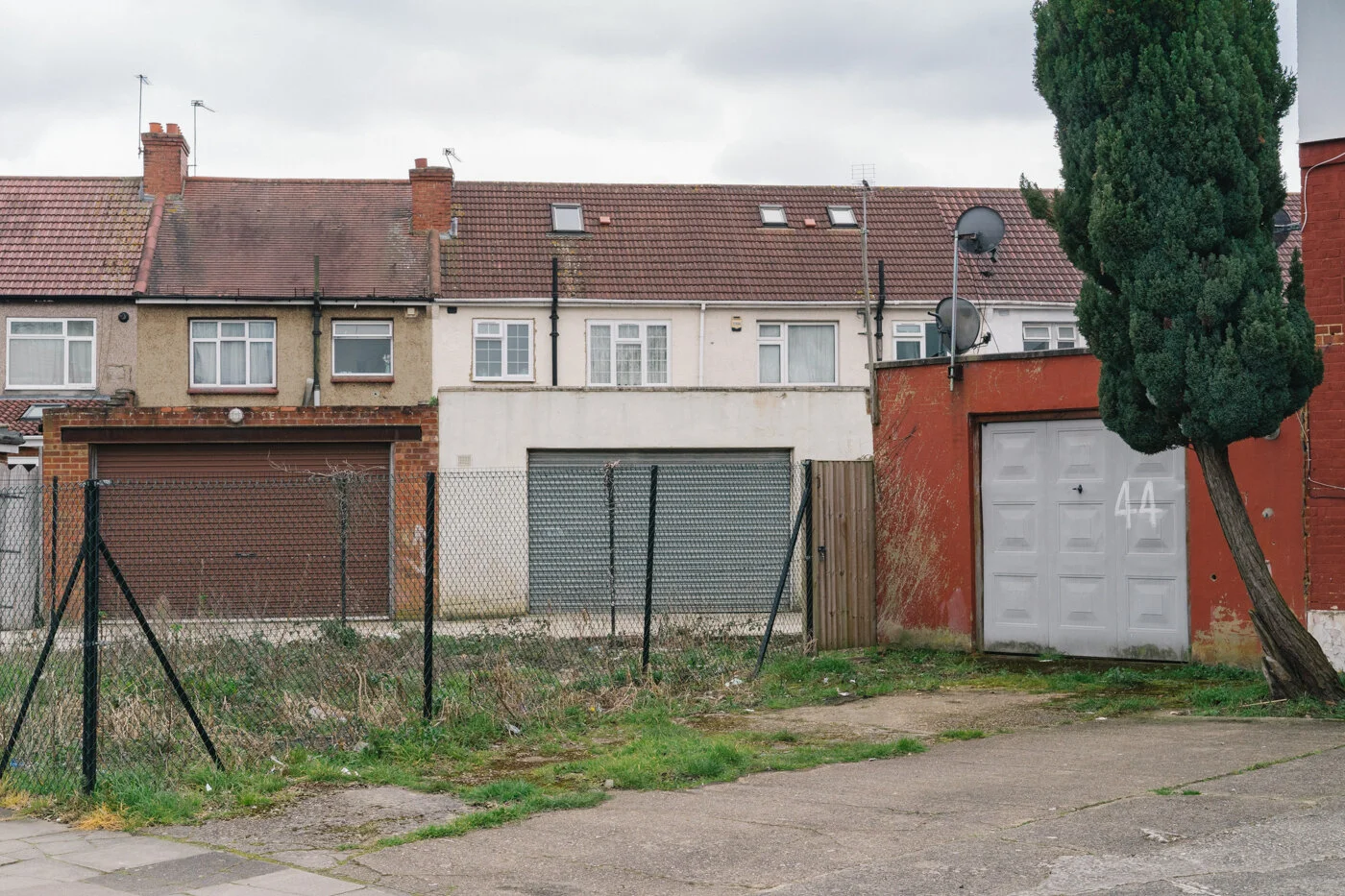
A Small Plot of land is a series of 28 portraits taken on Creighton Road allotments in Tottenham, north London, during the spring of 2019. Tottenham is known to be one of the most diverse areas of the Capital. The allotments reflect this aspect of our neighbourhood beautifully. An allotment is a place where people come to spend time with their family and friends; cooking, eating and drinking; a place to feel at peace, a place to cry and a retreat from busy, stressful city life. It is hard work and tiring and can often feel relentless, but is also a rare opportunity to do something physical with your own bare hands, outside in the fresh air. It is surreal to be picking tomatoes and digging up potatoes in the middle of such a densely urban environment, and is even more surreal within the context of the one billion pound Tottenham Hotspurs stadium next door.

ALI.jpg
FRANK.jpg
AMY & CLARE.jpg
EMOS & MUNZUR.jpg
ERIC & PAUL LARGE.jpg
JOHN.jpg

By nature the allotments are a fantastic example of sustainability. here, nothing goes to waste. Everything is reused again and again - to build a shed, a greenhouse or just to embellish a plot. The simple aim of this photographic project is to celebrate diversity, integration and the coming together of people from different walks of life to perform the simple human act of growing their own fruit and veg on a small plot of land.

MARTIN.jpg
MICHAEL & ROBIE.jpg
MIKDAT & TAGIM.jpg
NAOMI & DANILO.jpg
PAULINE.jpg
RORY.jpg
TREVOR.jpg

Danilo Murru is a documentary photographer from Sardinia, living in London. His work broadly looks at urban, suburban and industrial landscapes and he occasionally engages in portrait photography set within an urban context.
danilomurrow

Guest Feature - Joel Goldstein

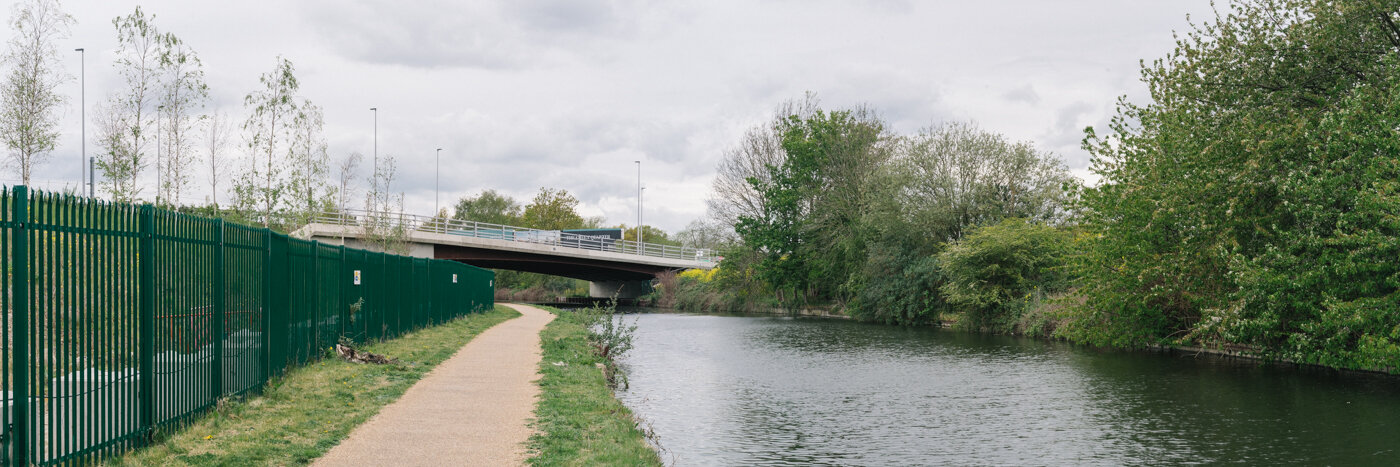
Captured on walks during the third lockdown, Cut Of The Land presents a meandering journey around a series of cuts that form the canal system between the rural suburbs of Southall, and Limehouse basin. Alongside the canals this project documents ideas of the man altered landscape. Having cut through twenty-two miles of land, in order to build the Paddington Arm and the Regent’s Canal, they shape the present environment both in the urban and rural areas. While there are hints to its old industrial past, the canals were usurped by the road and rail network, since then they have undergone a transformation into a site for leisure. They act as a green corridor, a boundary line between different boroughs, and in some places even a socio-economic divide. This project explores these different facets of the canals to present a unique perspective on north London and its waterways.

0.jpg
1.jpg
2.jpg
3.jpg
4.jpg
5.jpg
7.jpg
8.jpg
9.jpg
10.jpg
13.jpg
14.jpg
15.jpg
16.jpg
18.jpg

Based between London and the Sussex Coast, Joel Goldstein is a British/French photography student currently studying at the University of Brighton. His personal and academic practice is underpinned by the idea of a 'man altered landscape' through a combination of film and digital media. As well as exploring our changing relationship within the local landscape and marginal spaces, he produces work surrounding the elevation of the everyday banal into a fine art context. 

joelgoldstein

Aaron Yeandle - Home Sweet Home

From a young child I always felt that I was disjointed from the notion of home or even homeland. Furthermore, my family life was also somewhat fragmented, so the sense of belonging or a safe place to call home was a foreign experience, and was only amplified when I went to boarding school. The notion of what home means to myself still perplexes me.

babs 005shop.jpg
3 MG_3835.jpg
4 IMG_3919.jpg
7 IMG_1045.jpg
8 1IMhG_0837.jpg
13 IMG_9407.JPG
10 MG_4652.jpg

My homes have always been transient and short-lived environments. Living in many different places, which I would call home at the time. However, in reality they were only places of experiences and perceptions of home. This body of work takes an autobiographical viewpoint of domesticity. It presents everyday snap shots of home interiors, of my in-between domicile lived spaces.

14 IMG_4015.jpg
IMG_0948.JPG
16 the 1 IMG_0806.jpg
18 8 MG_1963.jpg
17 MG_9414.JPG
karstonpilloshop a4.jpg
1 IMG_0942.jpg

Guest Feature - Ryan Thomas

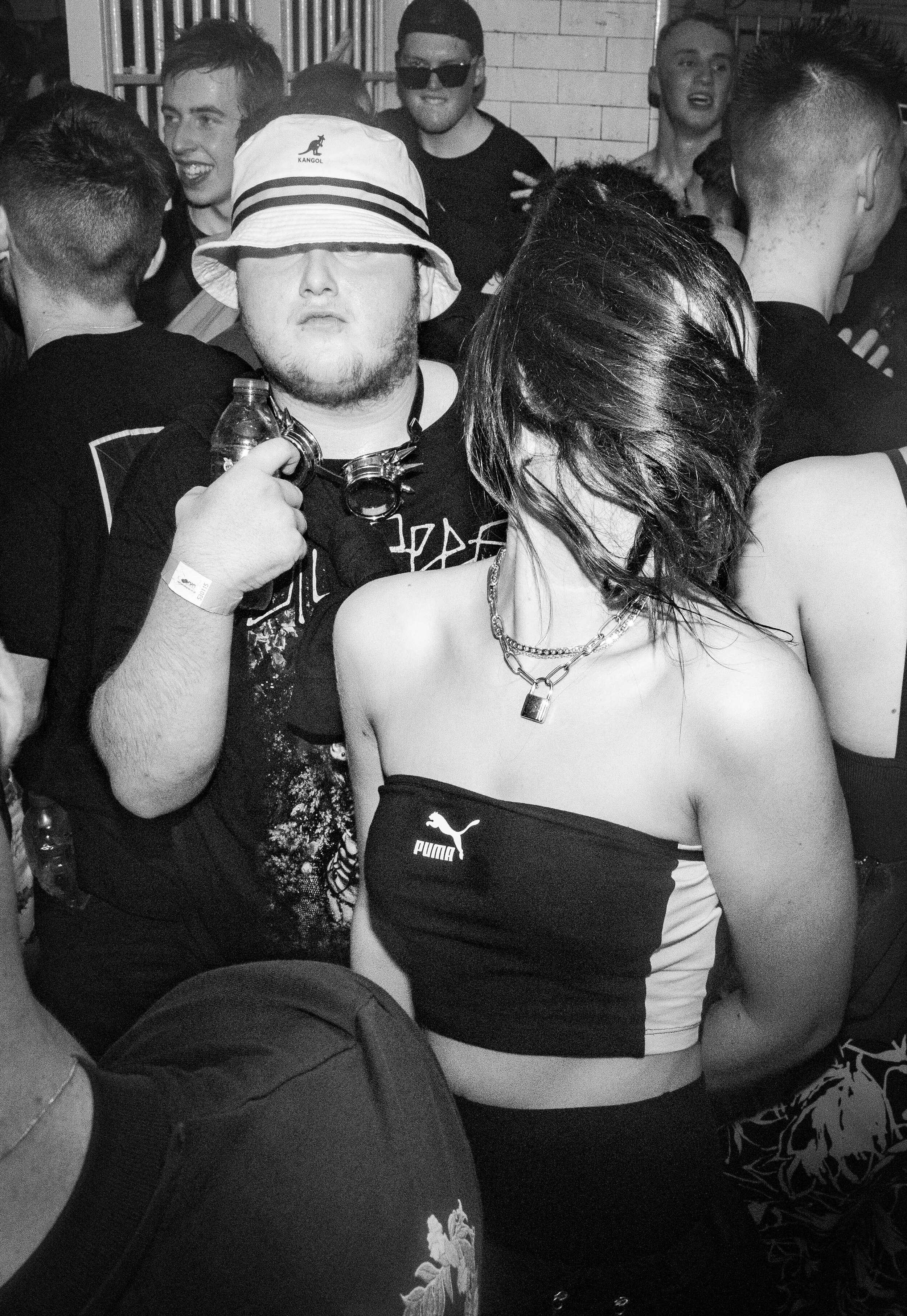
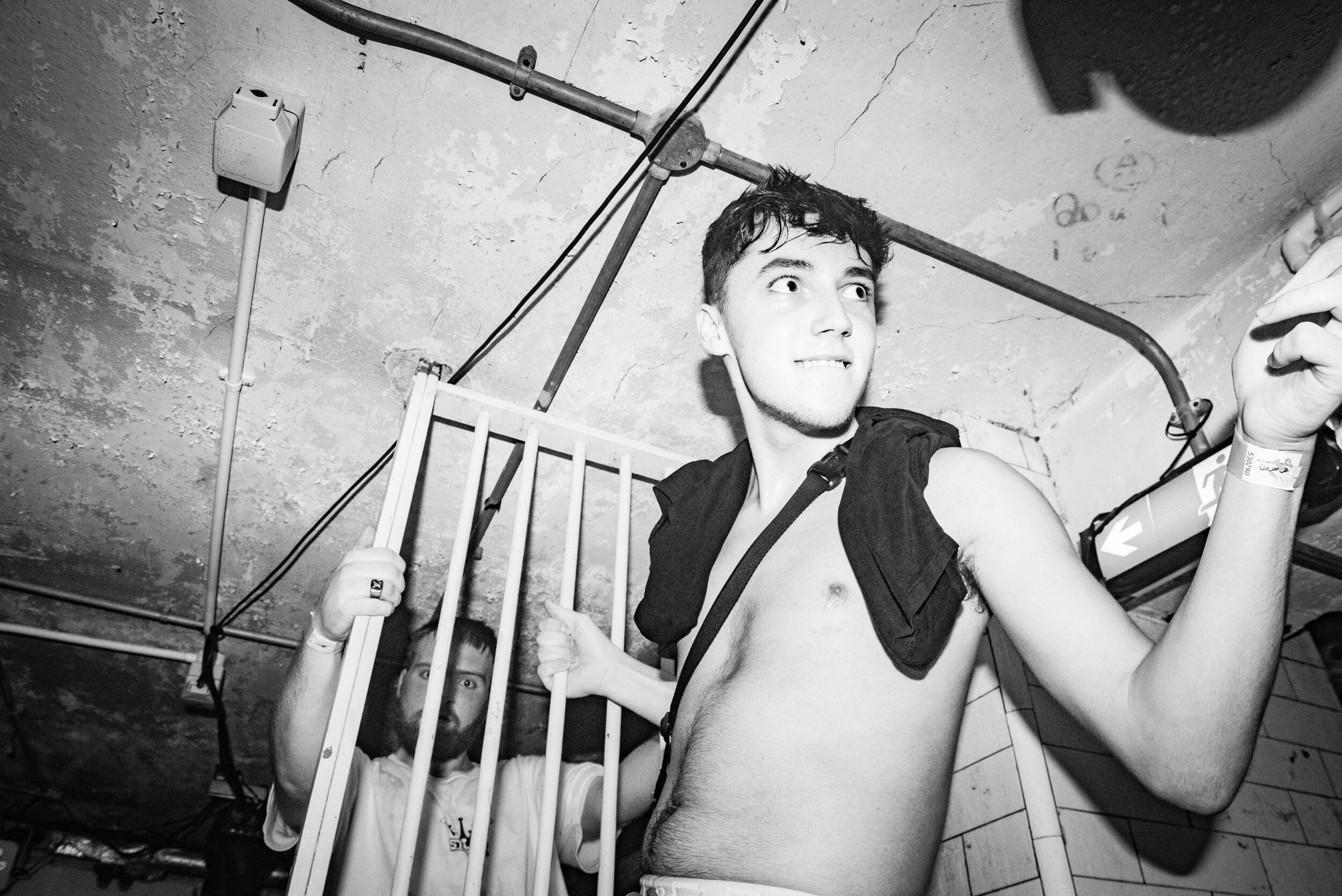
I have been working on a long term project documenting rave culture during my time at university. The project focuses on the spaces where raves take place at weekends, where those who have worked all week come to enjoy themselves. What interests me most at these events is the energy and raw emotion you can see on people's faces, there is always something different to look at. During raves everything happens so quickly and it’s easy to miss an opportunity to capture a moment before it disappears, so I have trained myself to be ready. I have mainly been working with flash to make subjects stand out in a way that natural or ambient light can’t do. This use of flash has crossed over into my photojournalism work. Due to the pandemic I haven't been able to photograph any events for over a year, but this has allowed me time to network and get in contact with various organisers to shoot future events across other areas of South Wales and England.

Ryan Thomas (2).jpg
Ryan Thomas (3).jpg
Ryan Thomas (4).jpg
Ryan Thomas (6).jpg
Ryan Thomas (7).jpg
Ryan Thomas (8).jpg
Ryan Thomas (9).jpg
Ryan Thomas (10).jpg
Ryan Thomas (11).jpg
Ryan Thomas (12).jpg
Ryan Thomas (13).jpg
Ryan Thomas (15).jpg
Ryan Thomas (14).jpg
Ryan Thomas (17).jpg
Ryan Thomas (18).jpg
Ryan Thomas (19).jpg
Ryan Thomas (20).jpg

Ryan Thomas is currently studying an MA in Swansea focusing on photojournalism and documentary photography. He began his professional career three years ago shooting events, and continues to develop his portfolio.

ryanthomasphotography.com

Guest Feature - Tim Batten

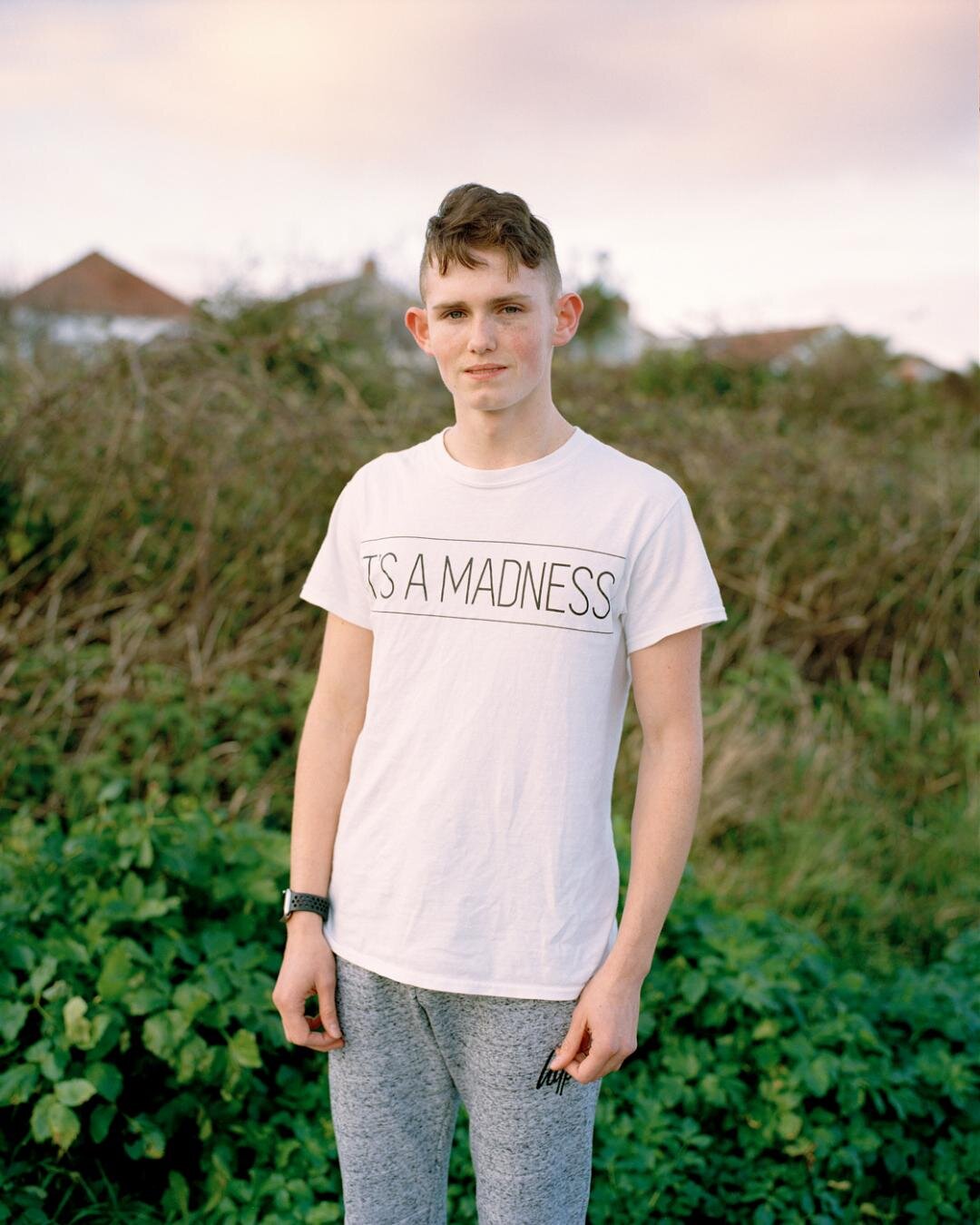
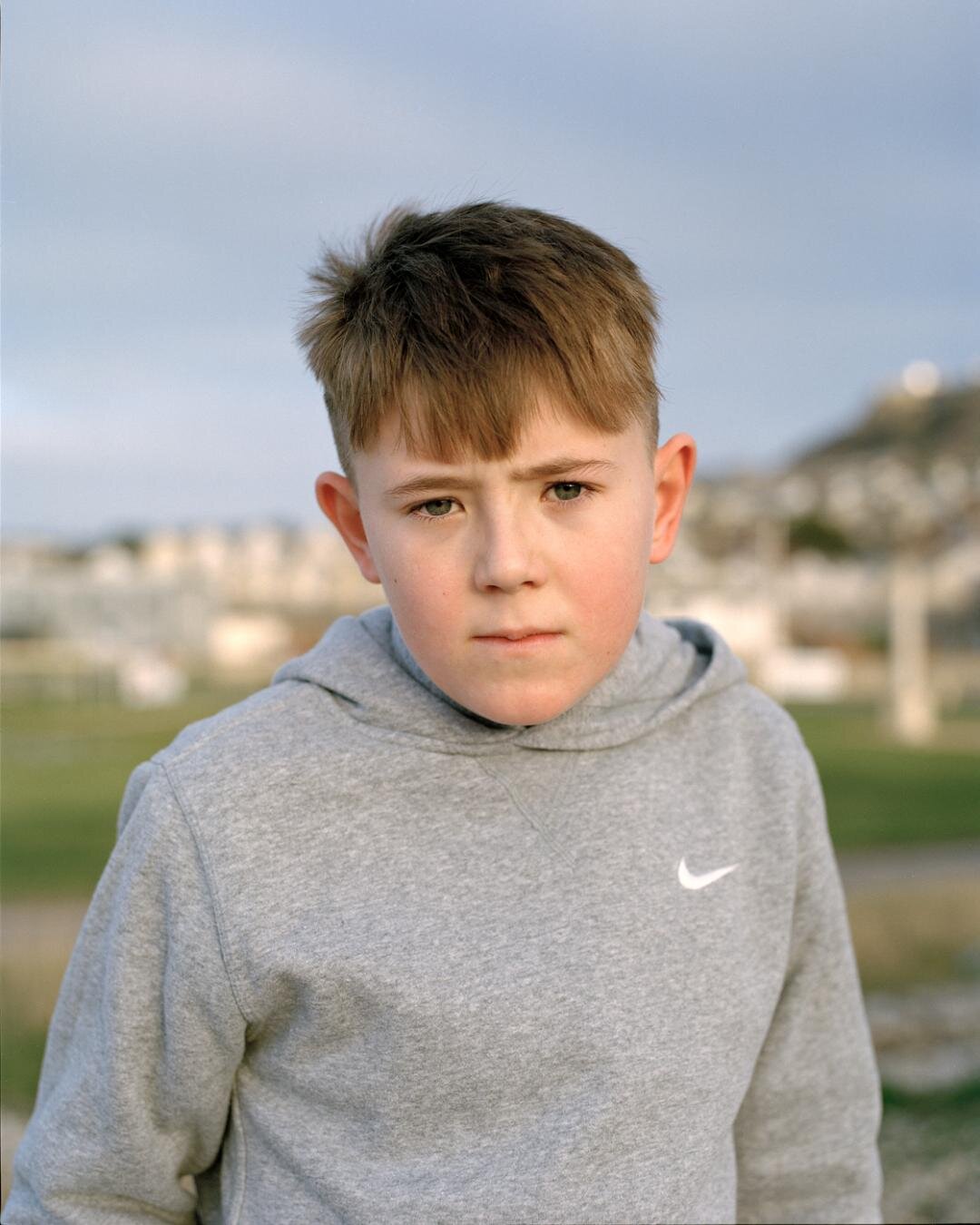
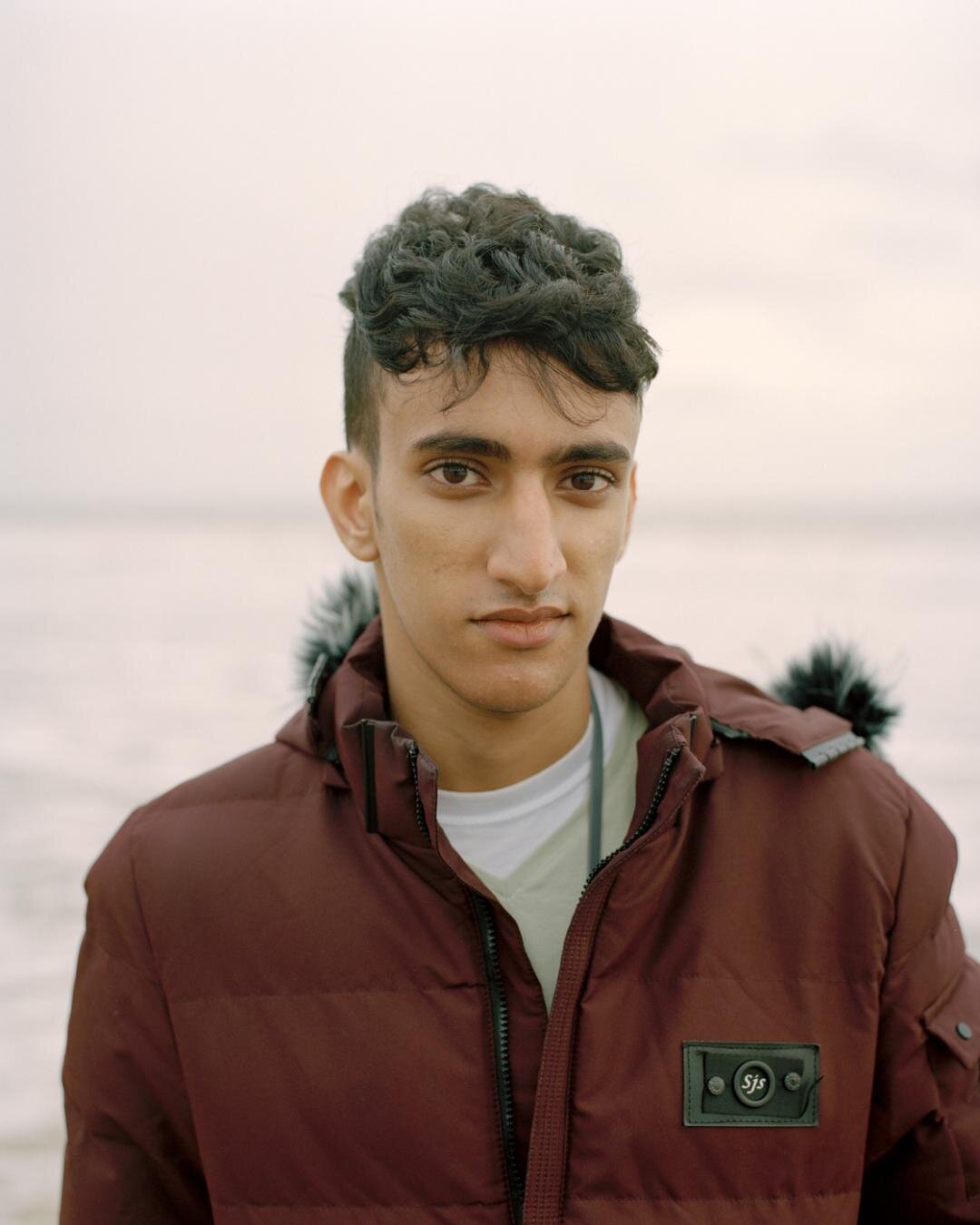
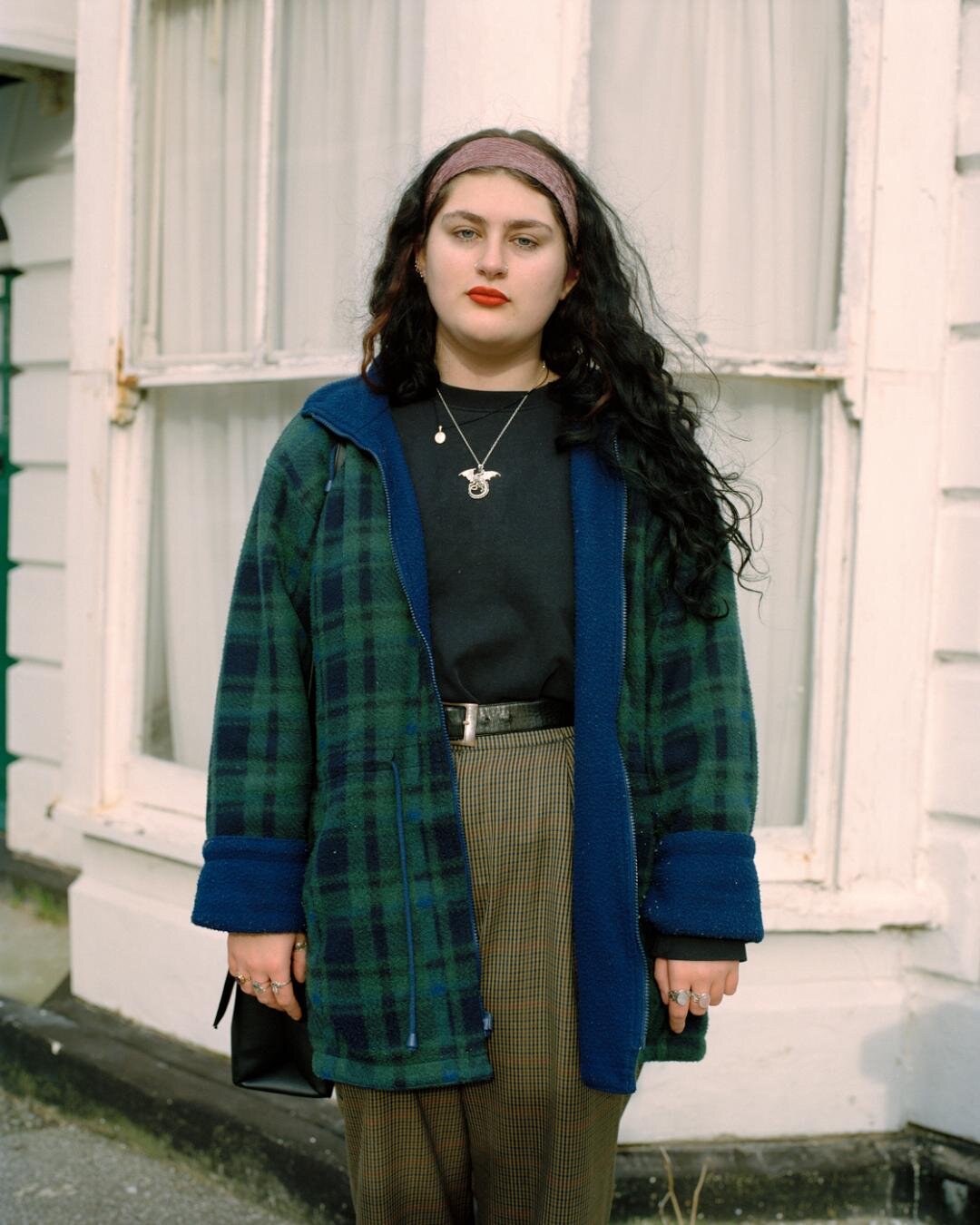
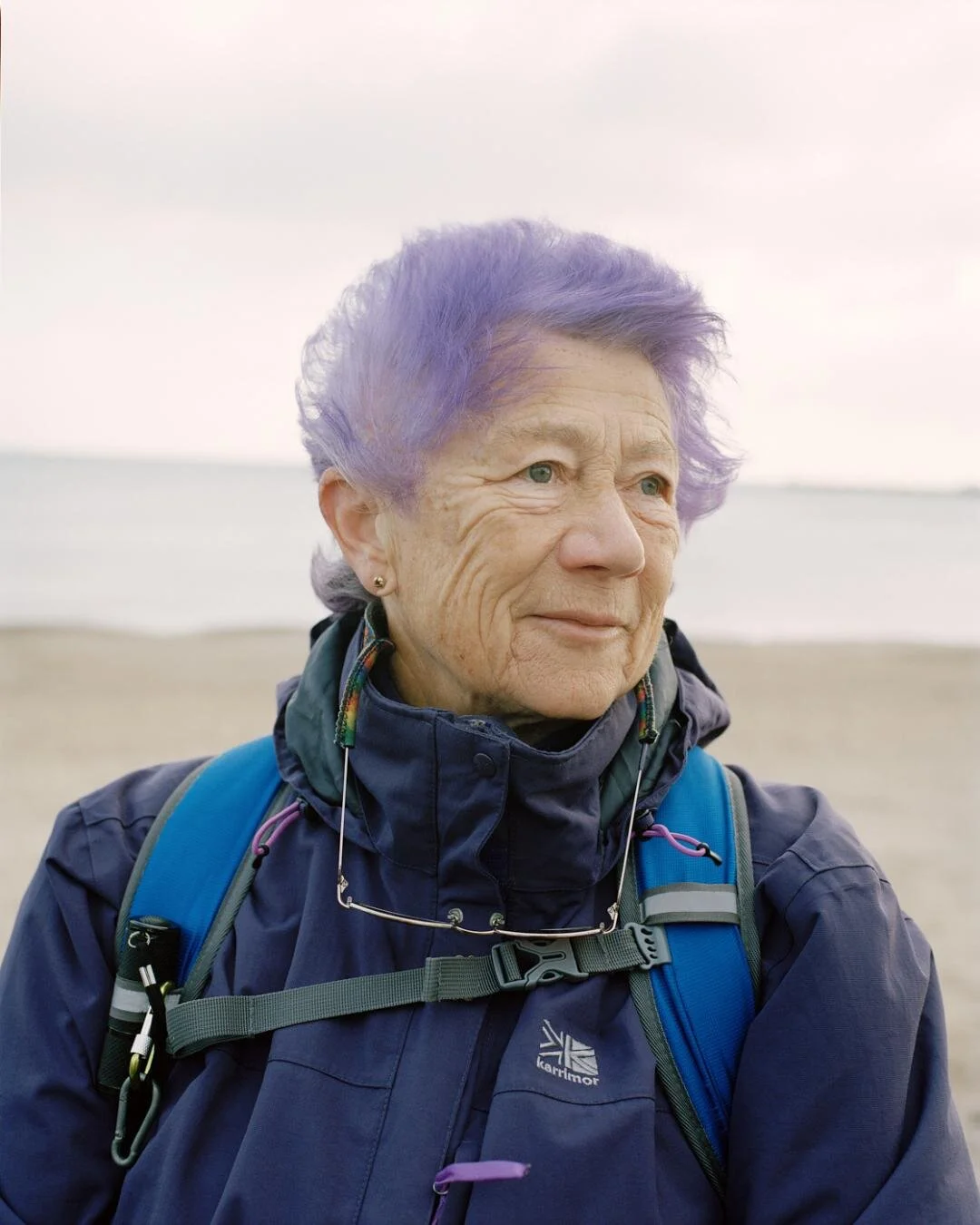
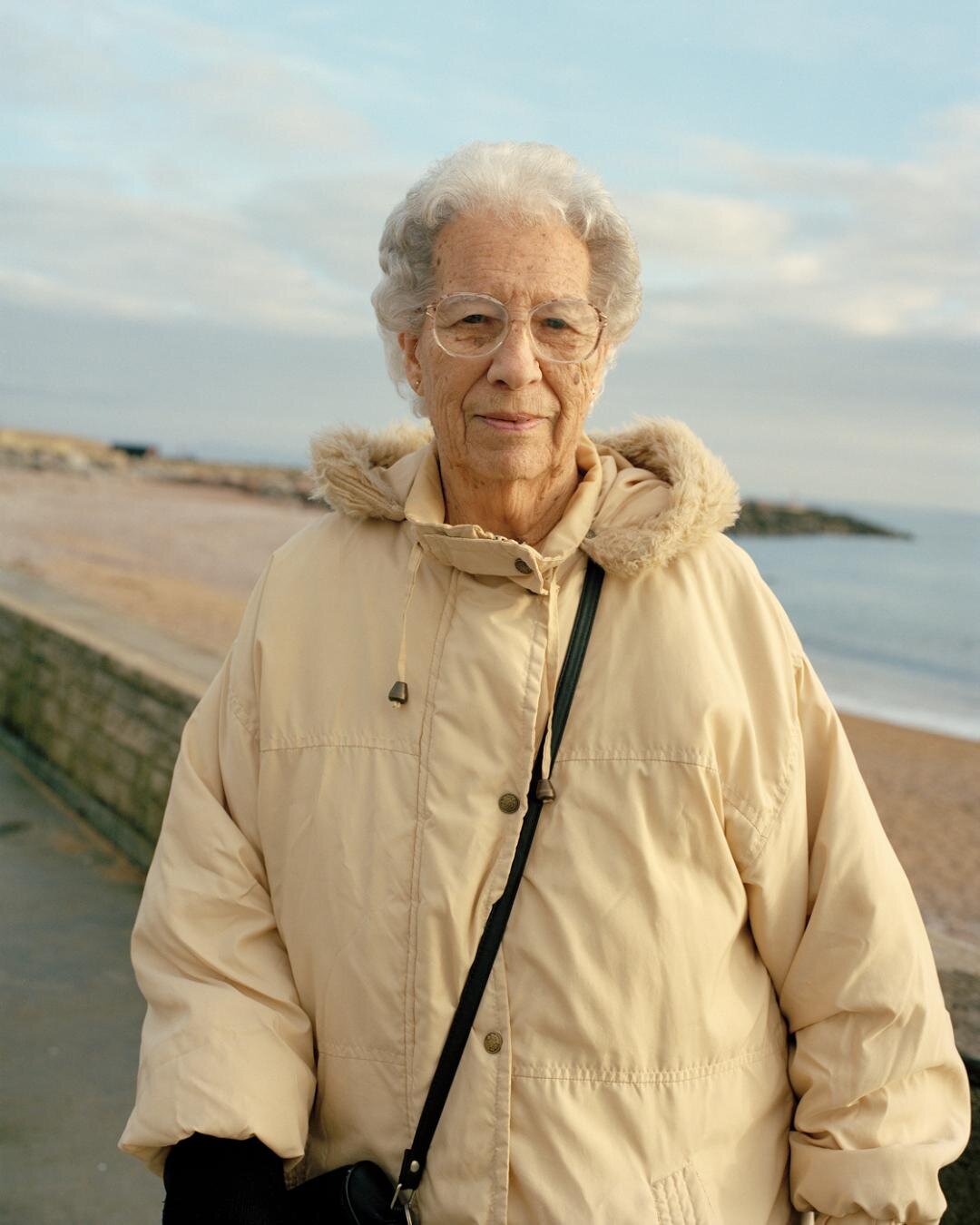
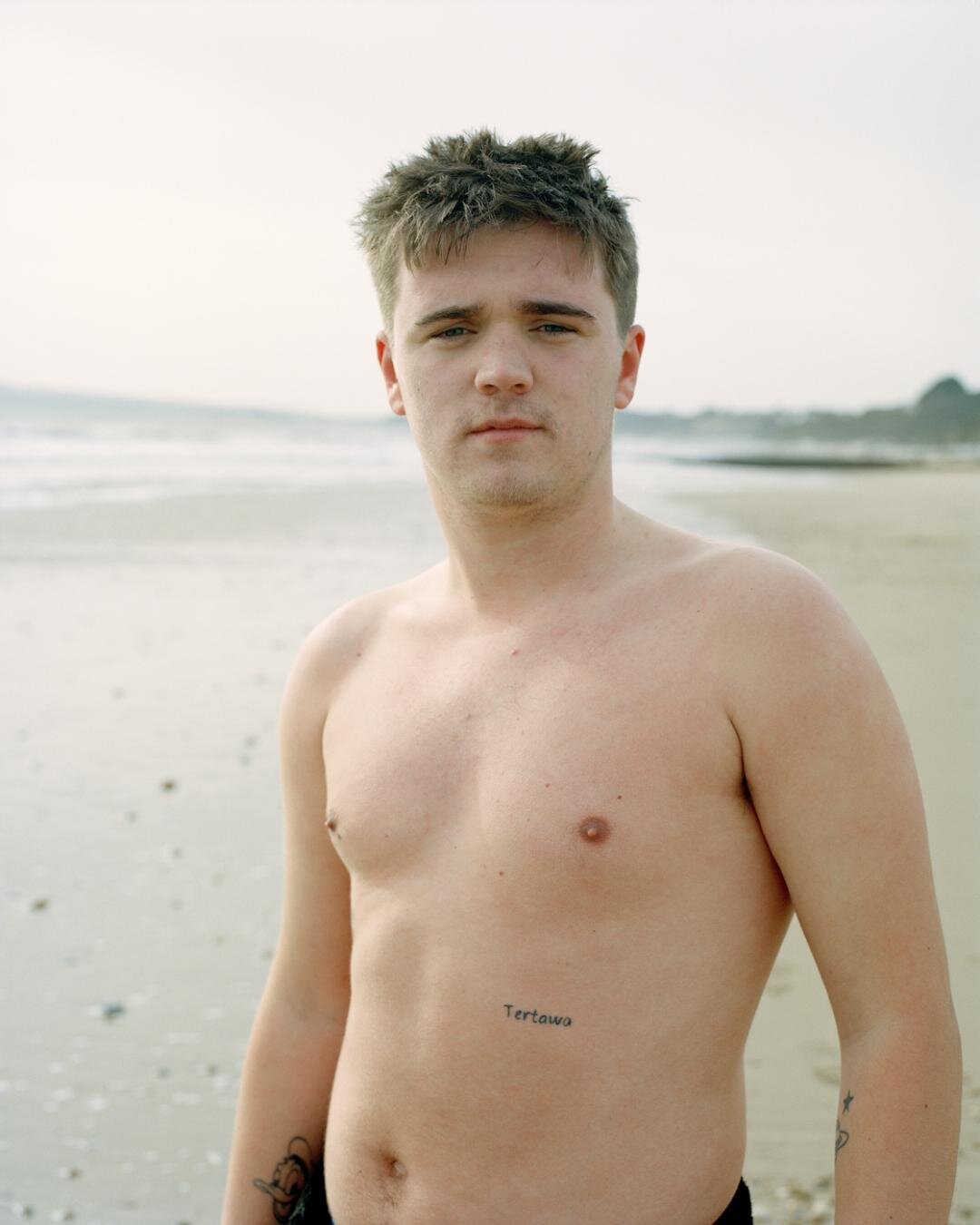
X53 is a series of street portraits taken on the South Coast of Dorset in February 2020. For the project I bought a weekly bus ticket and travelled between Bournemouth and West Bay. Those featured in the project are people that I met on the street, and I eventually took their portrait within a few minutes of our encounter. My projects seem to form naturally based on the people that I meet, and I like to see them as small social artefacts of a certain place, at a certain period that may grow in interest over time.

thumbnail-1.jpeg
thumbnail-2.jpeg
thumbnail-3.jpeg
thumbnail-4.jpeg
thumbnail.jpeg
thumbnail-5.jpeg
thumbnail-8.jpeg
thumbnail-13.jpeg
thumbnail-9.jpeg
thumbnail-7.jpeg
thumbnail-6.jpeg
thumbnail-10.jpeg

Tim Batten is a 27 year old photographer who grew up in Dorset in the South West of England. He graduated from London College of Communication in 2016 with a BA in Photography. Since then he has been building up a portfolio of his personal work. In 2018 Tim moved to Stockholm, Sweden where he works as a photo assistant within the fashion industry.

timbatten

Mitch Karunaratne - The Cold Coast

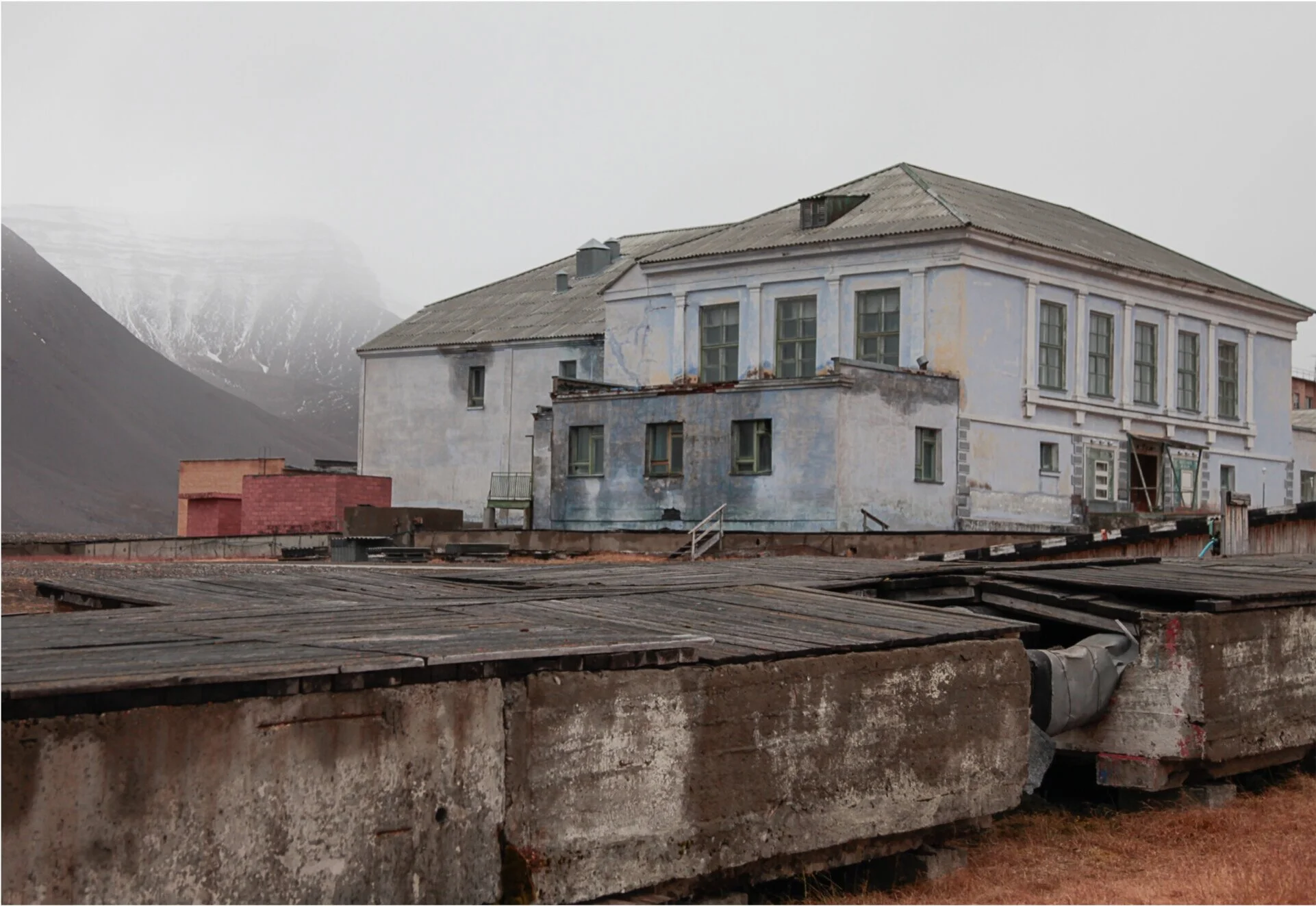
Ownership of the remote archipelago of Svalbard, the northernmost settlement in the world with a permanent population, has been debated since the Napoleonic Wars. Until relatively though, hunters, fishermen, science expeditions and adventurers have jointly negotiated this fragile polar wilderness. With the discovery of mineral deposits this all changed. The Treaty on Svalbard was signed in Paris 9 February 1920, and since 17 July 1925 Svalbard has been part of The Kingdom of Norway. The treaty gave all forty signatory countries the right to freely access the islands, one of only two places in the world to be governed so

Cold COast-1.jpg
Cold COast-5.jpg
Cold+Coast+web-1.jpg
Cold COast-9.jpg
Cold+Coast+web-2.jpg

In recent years, in the light of climate change increasing the accessibility of oil and gas reserves in the Arctic Ocean, the treaty is a point of diplomatic dispute. Russian and Norway have affirmed their rights to the lands by maintaining a continuous settlement and mineral extraction sites. China is now increasingly interested in the region as it questions the sovereignty and ownership of the islands. Hydrocarbon extraction is set to remain an economic drive across this fragile polar region for decades to come.

Cold COast-8.jpg
Cold COast-7.jpg
Cold+Coast+web-5.jpg
Cold COast-6.jpg
Cold COast-3.jpg
Cold COast-4.jpg

Guest Feature - Vasilis Ntaopoulos

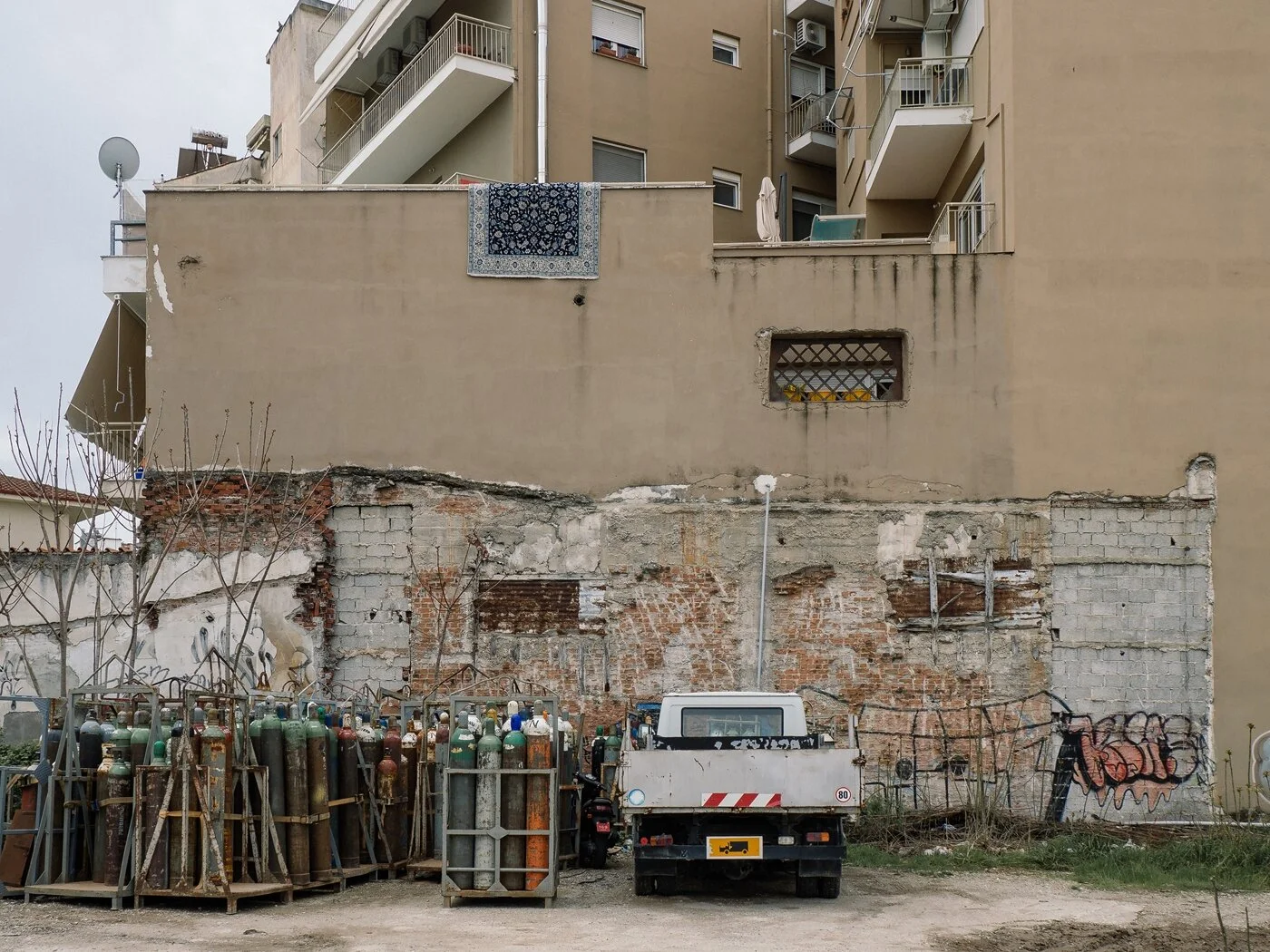
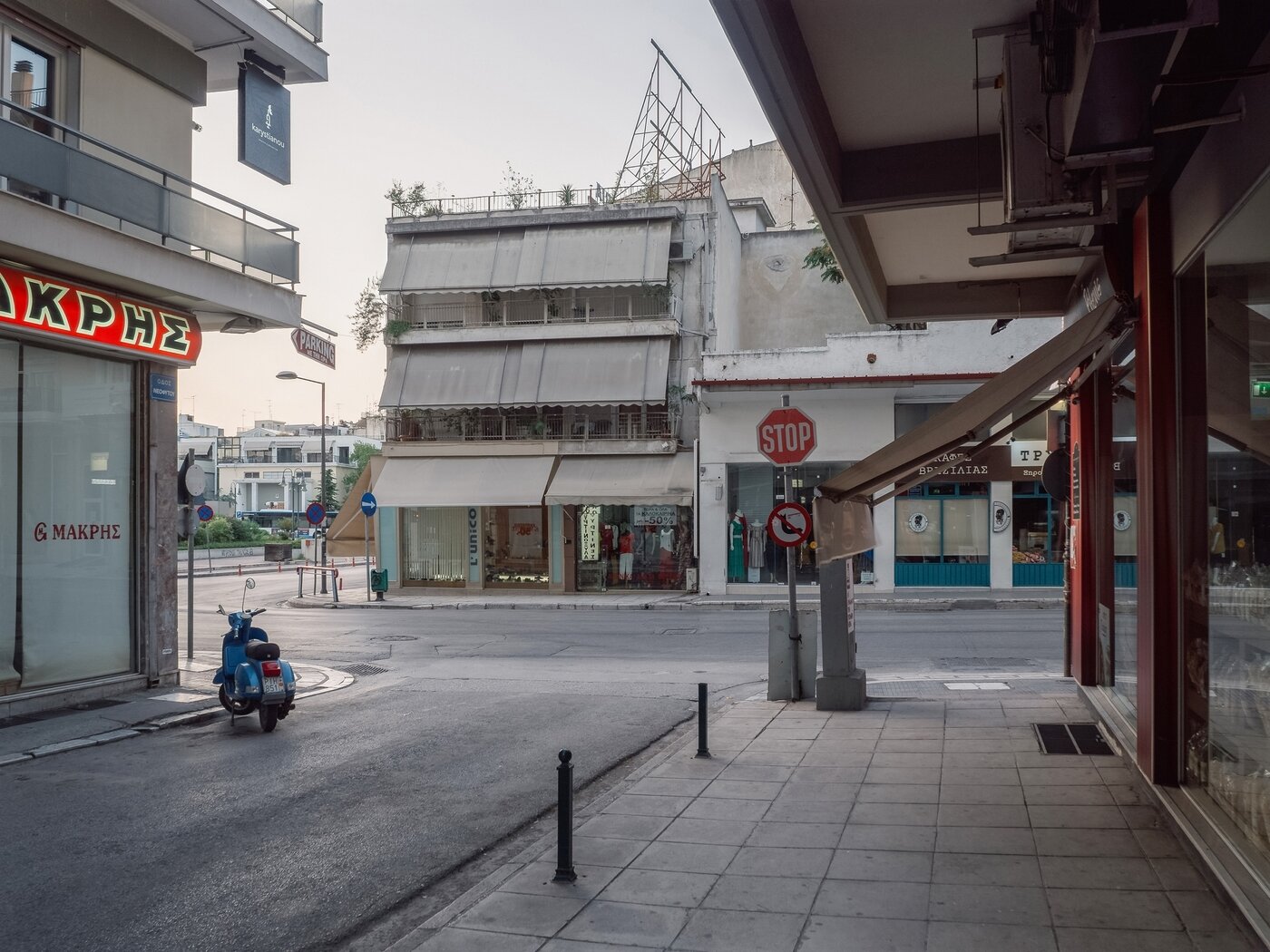
The Urban Pulp project is my attempt to describe the urban and suburban landscape of my hometown Larissa. My photographs are derived from the study of incongruous, banal and ordinary themes, which often remain unseen. Searching for some common characteristics in these thematically diverse images, the spectator can identify features that draw upon a certain photographic method. However, looking beyond the obvious absence of people or the soft light in each frame, I suggest that these images have something more in common: they are visions on how people perceive, appropriate and experience an urban place of the Greek provinces. 

ntaopoulos_01.jpg
ntaopoulos_02.jpg
ntaopoulos_03.jpg
ntaopoulos_04.jpg
ntaopoulos_05.jpg
ntaopoulos_06.jpg
ntaopoulos_07.jpg
ntaopoulos_08.jpg
ntaopoulos_09.jpg
ntaopoulos_10.jpg
ntaopoulos_11.jpg
ntaopoulos_12.jpg
ntaopoulos_13.jpg
ntaopoulos_14.jpg

Born in 1984, Vasilis Ntaopoulos is a social scientist and a photographer based in Larissa, Greece. His educational background derives from his studies in Social Anthropology (Msc) and Gestalt therapy. His relationship with photography started in 2013, and since then he has the chance to be a member of Larissa’s Photography Club and a member of “f plus” photography group. He has participated in several workshops and group exhibitions in Greece and his photography has been featured in online and printed publications. In 2019 his Urban Pulp project was included in the Young Greek Photographers section of Athens Photo Festival.

vasilis.com

Power Structures Exhibition

In June, taking place in Glasgow (5th – 6th June at Many Studios) and London (22nd- 26th June at Bermondsey Project Space), is a new photographic exhibition curated by Francisco Ibáñez Hantke and Luke O’Donovan. The show explores the ways in which socioeconomic and political powers shape the built environment. For more than a decade, over half of the world’s population has lived in cities, and between now and 2050 this is forecast to grow by another 2.5 billion people. This massive expansion of urban environments has been a key driver of the Anthropocene, with the footprint of contemporary living far overreaching city limits, and redefining the natural landscape in its entirety. The environmental transformation of recent years has gone hand in hand with social, political and economic upheaval across the globe. The Power Structures exhibition seeks to make the unseen and often intangible powers that drive these changes visible, through the ways in which they have come to dictate the forms of buildings and cities around the world. 

© Hashem Shakeri

© Hashem Shakeri

© Catherine Hyland

© Catherine Hyland

© Luke O'Donovan

© Luke O'Donovan

© Noelle Mason

© Noelle Mason

© Tim Crocker

© Tim Crocker

The exhibition features both emerging and established artists from around the world, who together provide an international perspective on some of the defining issues of our time. Whilst the exhibited works draw upon a variety of artistic techniques and cultural influences, there is an inescapable interconnectedness between the subject matter of images produced on opposite sides of the planet. Industry dominates the landscape from the marble quarries of the Atacama Desert, to the supersized hydroponic greenhouses of the Netherlands, or the disused cooling towers of West Yorkshire. Housing crises are displacing communities in Tehran just as in Los Angeles, whilst property speculation and constant densification are continuously rewriting the layout of cities from Santiago to Hong Kong. In an increasingly globalised society, borders and boundaries are more blurred than ever, and the urgent challenges facing humanity must be addressed on a worldwide scale. 

© Jana Sophia Nolle

© Jana Sophia Nolle

© Marcos Zegers

© Marcos Zegers

© Francisco Ibáñez Hantke

© Francisco Ibáñez Hantke

The New Politics of the Envelope © Cristobal Palma-2.jpg

© Cristobal Palma

© Tom Hegen

© Tom Hegen

Curated by Francisco Ibáñez Hantke and Luke O’Donovan, Power Structures will be showing in Glasgow (Saturday 5th – Sunday 6th June) at Many Studios as part of the Architecture Fringe ‘(un)learning’ programme, and in London (Tuesday 22nd June – Saturday 26th June) at Bermondsey Project Space as part of the London Festival of Architecture ‘Care’ programme. The exhibition will be accompanied by a programme of events, aimed at expanding upon the exhibition topics and engaging new audiences. This will follow on from a series of online talks around the exhibition themes held as part of last year’s Zoomed In Festival. Be sure to check out either, or both shows if you can!

powerstructur.es

Guest Feature - Andreas Bleckmann

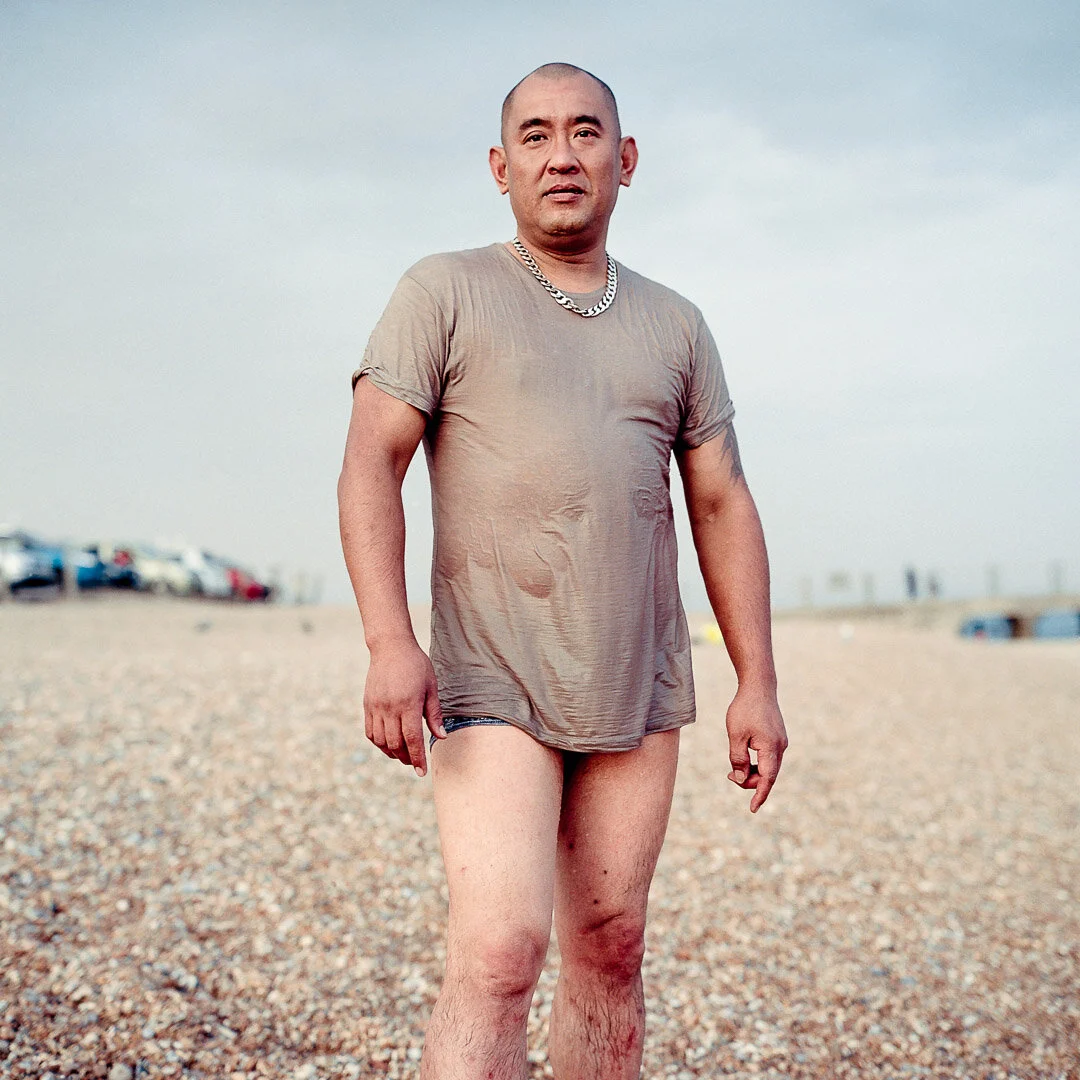
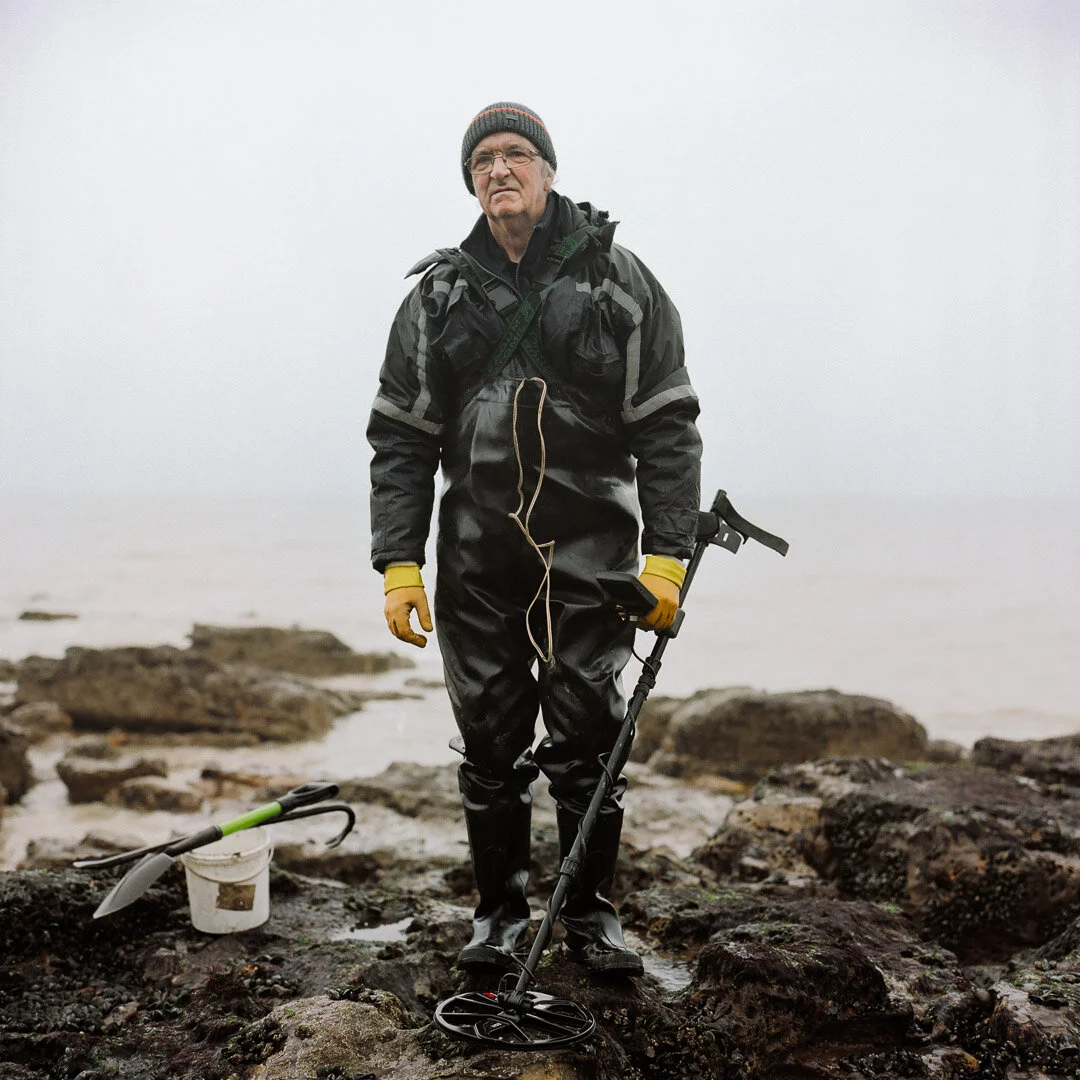
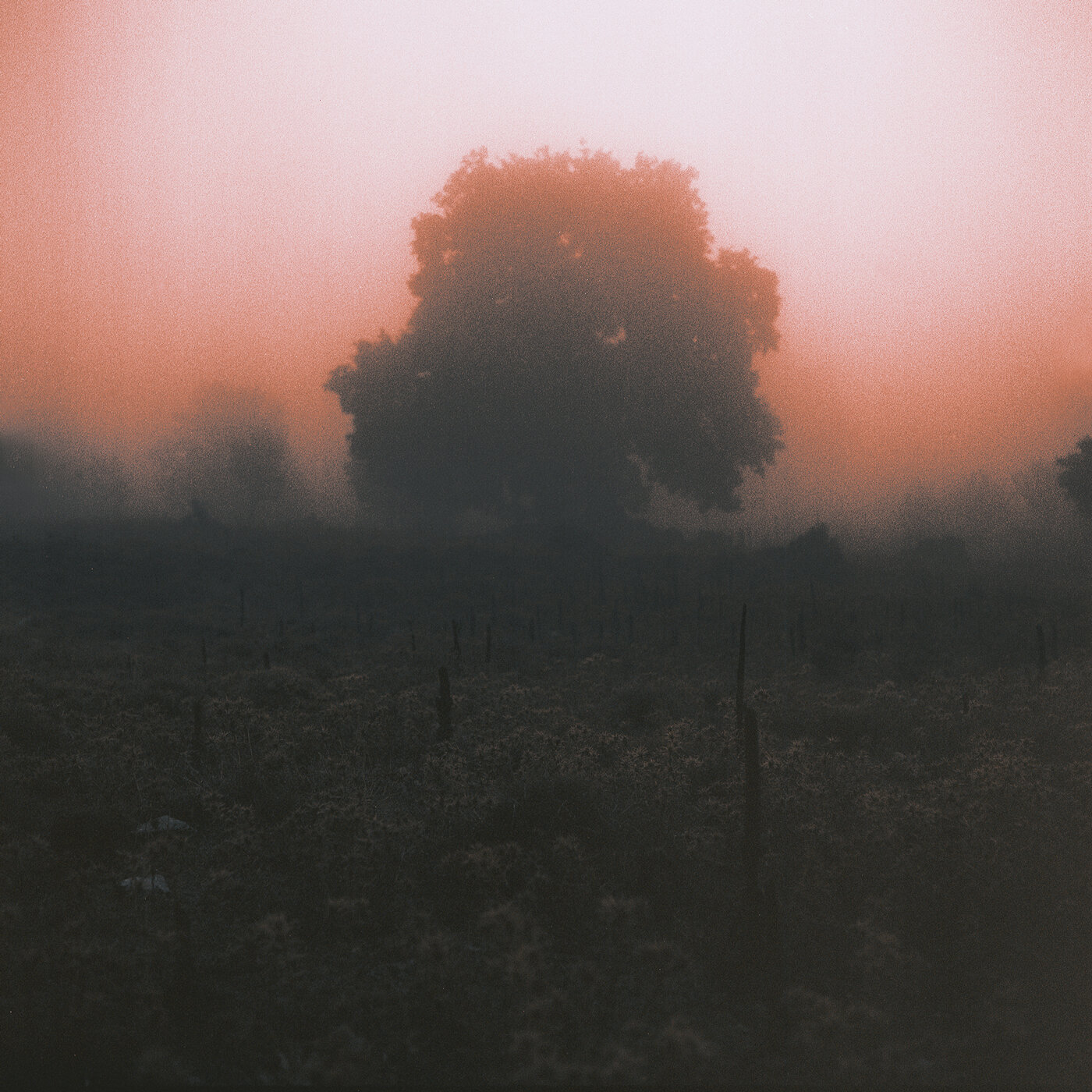
Having grown up in a sleepy suburb of Munster, Westphalia, I moved to New York and lived in a former dance hall in Harlem with a group of artists in the mid 80’s. I managed to scratch a living as a painter and decorator, but I always knew I needed to create imagery in some way. The pivotal moment was when I went to see the Garry Winogrand retrospective at the MOMA. I realized that the incredible and largely ignored people around me, could, in a small way, become visible and significant through photography. With my earnings I purchased my very first camera (Nikon FE2 with a 28mm lens) and started taking pictures. I am not a great verbal communicator and struggle with my hearing, but I soon found a natural fluency through my photography. During this period, I also assisted numerous established commercial photographers who taught me about lighting and the mechanics of my trade. After a few years of studio assisting, I felt I was ready to create my own portfolio, a simple collection of black and white studio portraits. I moved to East London in the 90’s, the then, epicentre for new emerging photographers. Soon after I was booked to shoot for The Face magazine and from there I had a long spell of editorial success shooting fashion and portraits, working with many international clients & leading magazines. 

In 2017 my partner and I bought an 1835 run down house in Hastings, East Sussex. Whilst renovating the building, which is ongoing, I always find a little time to take informal portraits of the people I see in my local area, many of whom I have got to know very well. Nothing is staged, I only shoot with natural light in square format which I find is the perfect proportion for me to show just enough environment.

Andreas Bleckmann is a German born photographer who spent his formative years on the streets of Manhattan with his 35mm camera. After working as a fashion photographer in London, he now lives by the sea in the fishing town of Hastings on the south coast of England. 

andreasbleckmann.com

Barry Falk - New Series

In August 2020, mid pandemic, I began the project Just Before The Heavens Opened researching and documenting the town of Talgarth, on the edge of the Brecon Beacons, and the old psychiatric hospital, now in ruins. The Talgarth Mid Wales Hospital, originally named the Brecon and Ragnor Asylum (also known as the Mid Wales Lunatic Asylum) opened in 1903 and closed almost a century later. The town of Talgarth and the old asylum are inextricably linked; it is said that the town came into being because of the hospital: it was the sole employer of any size and many of the former work force still live in the town, their memories vivid, their tales long. Even the millennials hold the memory of their parents and grandparents having worked here.

415A8777.jpg
415A9193-2.jpg
415A8804-2.jpg
415A9500.jpg
415A9145.jpg

The rapidity of decay and ruination now is alarming. The floors sag ominously and the roof is practically caved in, the roof tiles long since been plundered. This was once a luxurious Victorian sanatorium, with lush furnishings: chaise-longs and ornamental carpets in the day rooms, a luscious dining room come ballroom. It was a place of incarceration: many committed remained in the asylum until death. However, the hospital was well served: it had a vegetable garden and bakery, a theatre with projection room, the staff had a social club and played cricket. The original features have now been stripped out, eery clues left in the tattered curtains and the incongruous image of the Alps hung above what was the bar (perhaps alluding to Alpine spa treatment). It is now toxic, literally poisonous with asbestos but also toxic politically and perhaps malignant in memory. There are plans to develop the site, to turn it into a residential and commercial area, extending the size and population of the town.

415A9144.jpg
415A9115.jpg
415A9219.jpg
415A8935-2.jpg
415A8926.jpg
415A9491-2.jpg

I am interested in pursuing the ghosts of memory, my interest in the notoriety of memory as much as the facts; these ghosts best exist in the archival images of nurses and workers outside the hospital entrance and odd shots of odd folk. There is distrust built into the language. It was a hospital built for pauper lunatics, a concept as antiquated in understanding as the myriad slang terms that exist: round the bend, batty as a fruit cake, two bricks short of a load, bats in the belfry etc. This is a study of the memory of an asylum and its pervasive hold over the town of Talgarth. It is about memory & madness, truth and rumours, history and notoriety, superstitious thoughts & flights of fancy, lavish plans of incarceration and current state of ruination.'

415A8739.jpg
415A9095-2.jpg
415A9334 (1).jpg
415A9395.jpg
415A9452.jpg

Guest Feature - Ioanna Sakellaraki

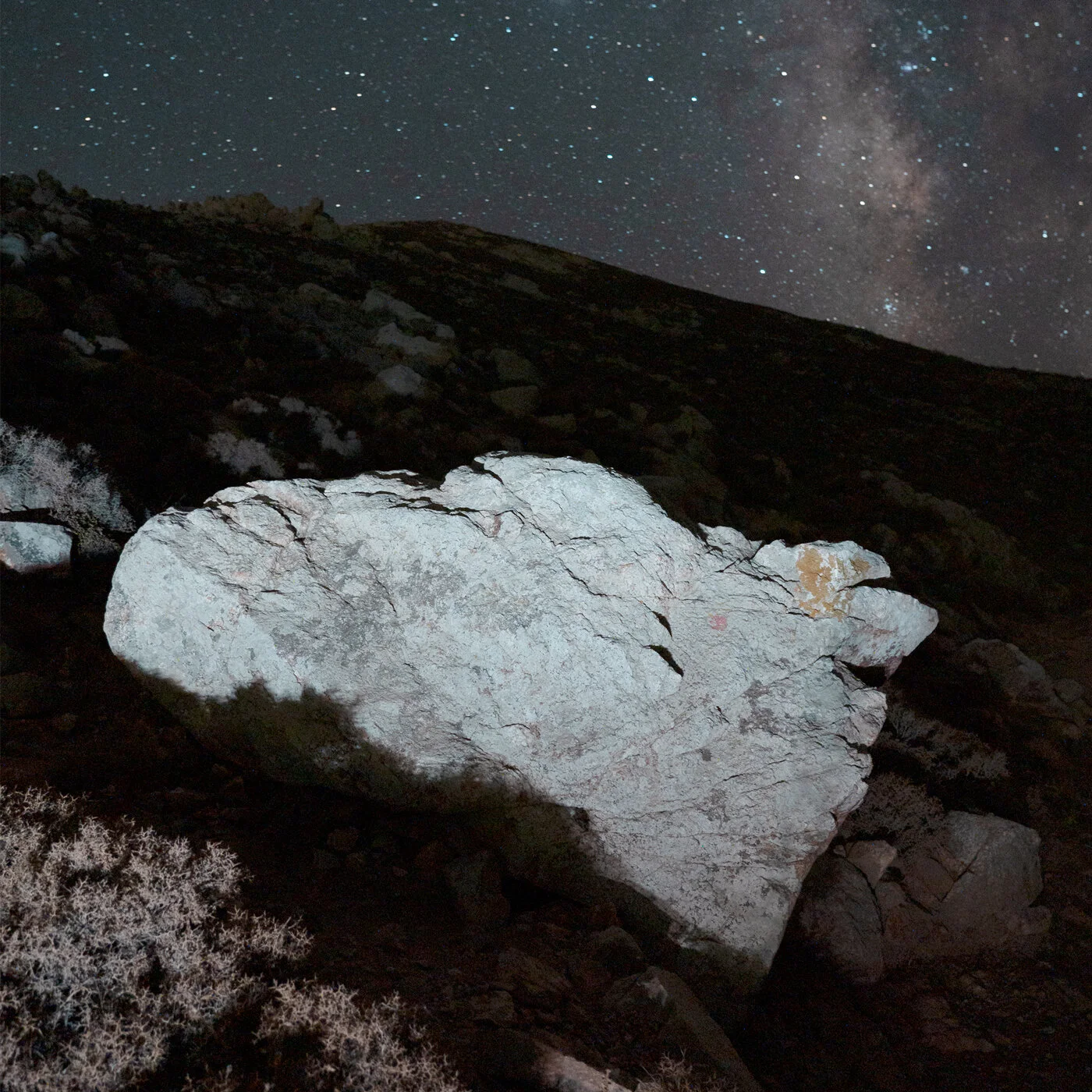
The Interval of Unreason begins with an image found in my late father’s archive, remains of the tainted memory of an idyllic romance on the Greek island of Patmos, followed by my extended stay on the island, during the lockdown of 2020. It is there where I begin to unravel the secret stories of my father’s past as a sailor and adventurer of his time, while deconstructing the famous history of Patmos as the ‘’Island of the Apocalypse’’, the place from where infernal visions of mankind’s ultimate downfall sprang, inspiring Saint John, to write the Book of Revelation, the final book of the New Testament.

Sakellaraki-01.jpg
Sakellaraki-02.jpg
Sakellaraki-03.jpg
Sakellaraki-04.jpg
Sakellaraki-05.jpg

In a vortex of clouds, shadows, starry skies and rushing wind, the island turns into a darkling site where the phantoms of imagination, personal loss and historic elegy occupy a transitional zone between the sublime, the cosmic and the solemn. It gradually becomes the roaming topography for composing a story ruled by desire, terror and imagination, turning the archival figures into the fugitive characters of a fictional tale, in the fascinating realm of time’s absence. In its own unique ways, the archive becomes a site that is historically and hermeneutically transformed; a place where amnesic memories are recorded. Borrowing symbols and interpretations of different timelines and histories, I respond to an eternally deferred disaster, as seen through its multiple temporalities and discrete personal and collective stories.

Sakellaraki-06.jpg
Sakellaraki-07.jpg
Sakellaraki-08.jpg
Sakellaraki-09.jpg
Sakellaraki-10.jpg

In the intersection of memory and oblivion, the work untangles the remaking that surviving loss entails, reminding us that history is not merely a matter of chronology but also a question of space and relationships. Between a moment of crisis and a temporal turn, the images articulate our obscure personal and cultural ends. This movement between an external world and an inner processing and interpretation of this world is the interval that brings the story together, like a collapsed memory of some partially erased knowledge.

Sakellaraki-11.jpg
Sakellaraki-12.jpg
Sakellaraki-13.jpg
Sakellaraki-14.jpg
Sakellaraki-15.jpg

Ioanna Sakellaraki is a Greek visual artist. Her work investigates the relationship between collective cultural memory and fiction. Drawing emphasis on the photographic object, process and encounter, she explores the boundaries of a primitive, yet futuristic vision of places and people. She was recently awarded a Doctoral Scholarship for undertaking her PhD in Art after graduating from an MA Photography from the Royal College of Art. She is the recipient of The Royal Photographic Society Bursary Award 2018 and was named Student Photographer of the Year by Sony World Photography Awards 2020. Her work has been exhibited internationally in art festivals and galleries across Europe, Morocco and Israel with a recent solo show at the European Month of Photography in Berlin. Her projects have been featured in magazines such as The New Yorker and journals including The Guardian and Deutsche Welle. Most recently, she was invited as a guest speaker in the Martin Parr Foundation and the London Institute of Photography.

ioannasakellaraki.com

Guest Feature - Molly-anne Webb

There was nowhere to go and we went there together is a collection of square format black and white images which aim to capture the simplicity of a specific area in morning light. These images range from small observations to a collection of natural elements in order to represent personal emotions, space and time. It examines how the idea of continued ritualistic exploration can be used to reveal hidden connotations of resistance to change; and my association with the idea of ‘home’ and its permanence. Throughout my lifetime, I have struggled a lot to find a place where I call 'home', as I have moved over 19 times in the last 21 years. 

1a.jpg
2a.jpg
3a.jpg
4a.jpg
5a.jpg

Investigating one location, using the same (approximate) mile radius and timing ensures regularity to represent control, whilst working through a personal subject. I have used this space to represent myself and project my lack of permanence onto it through these conditions. The interpretation of my work will vary depending on how each individual reads it, emphasising the role of Poetic Documentary within my practice. I feel that there is an element of palpable melancholy within my work, created through a sense of aftermath and soundlessness.

6a.jpg
7a.jpg
8a.jpg
9a.jpg
10a.jpg

Molly-anne specialises in new movements of documentary image making which portray poeticism and lyricism through photographic representations, combining the traditional documentary form and elements of symbolism and subjectivity. She aims to create a feeling or an emotional response with a loose narrative and no set direction, rather than true, straight, documentary style. Her practice is commonly built on explorative shooting of both familiar places, such as her home, and unfamiliar areas of interest. This has led to the description of her work as being Poetic Documentary. Molly-anne is currently a student in her final year at the University of Plymouth studying documentary photography.

molly.annephotography

Guest Feature - Mauro Cocilio

This is a selection of photographs documenting the homeless in London, which I started in 2018 and I returned to it in 2020 during lockdown. In central London, in almost total closure, I explored the streets to look at the situation of the homeless and how that had changed during the pandemic. While many people on the streets had been supported and housed in hotels, not everyone had this help, and some became homeless during this period having lost their job.

L1034225.jpg
04.jpg
02.jpg
01.jpg
L1040782.jpg
09.jpg
06.jpg

This documentation started with the desire to look at homelessness, understand the issue and try to connect with those affected by it. Why, in such a wealthy city like London, have so many people ended up on the streets without a home? People shared their stories with me, sometimes they chose not to talk about their personal experience but still agreed to have the meeting documented.

12.jpg
11.jpg
10.jpg
05.jpg
L1036095.jpg
08.jpg
L1034641.jpg

Born in Sardinia, photographer Mauro Cocilio studied photography at both the European Institute of Design in Rome and Westminster College in London. He has covered subjects as diverse as backstage fashion during London Fashion Week, the everyday experience of people from Eastern Europe and London, orthodox religious communities, underground clubs and the transgender scene. His work has been published in Dazed & Confused, The Independent Magazine, I-D, Modern Painters, Creative Review, The Wire, Fashion Now 2, Modern Menswear and online at SHOWstudio.

maurococilio

Guest Feature - Yassen Grigorov

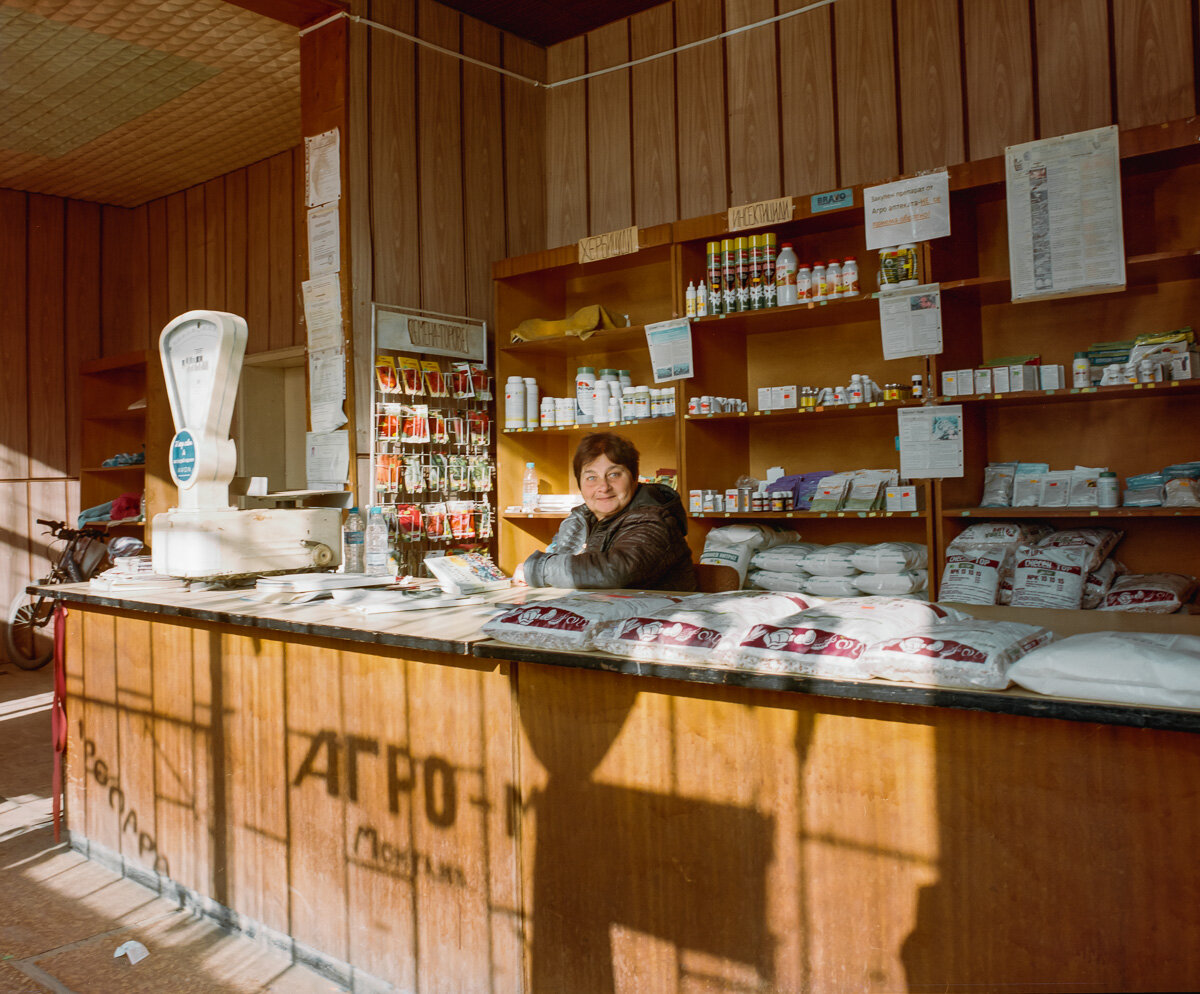
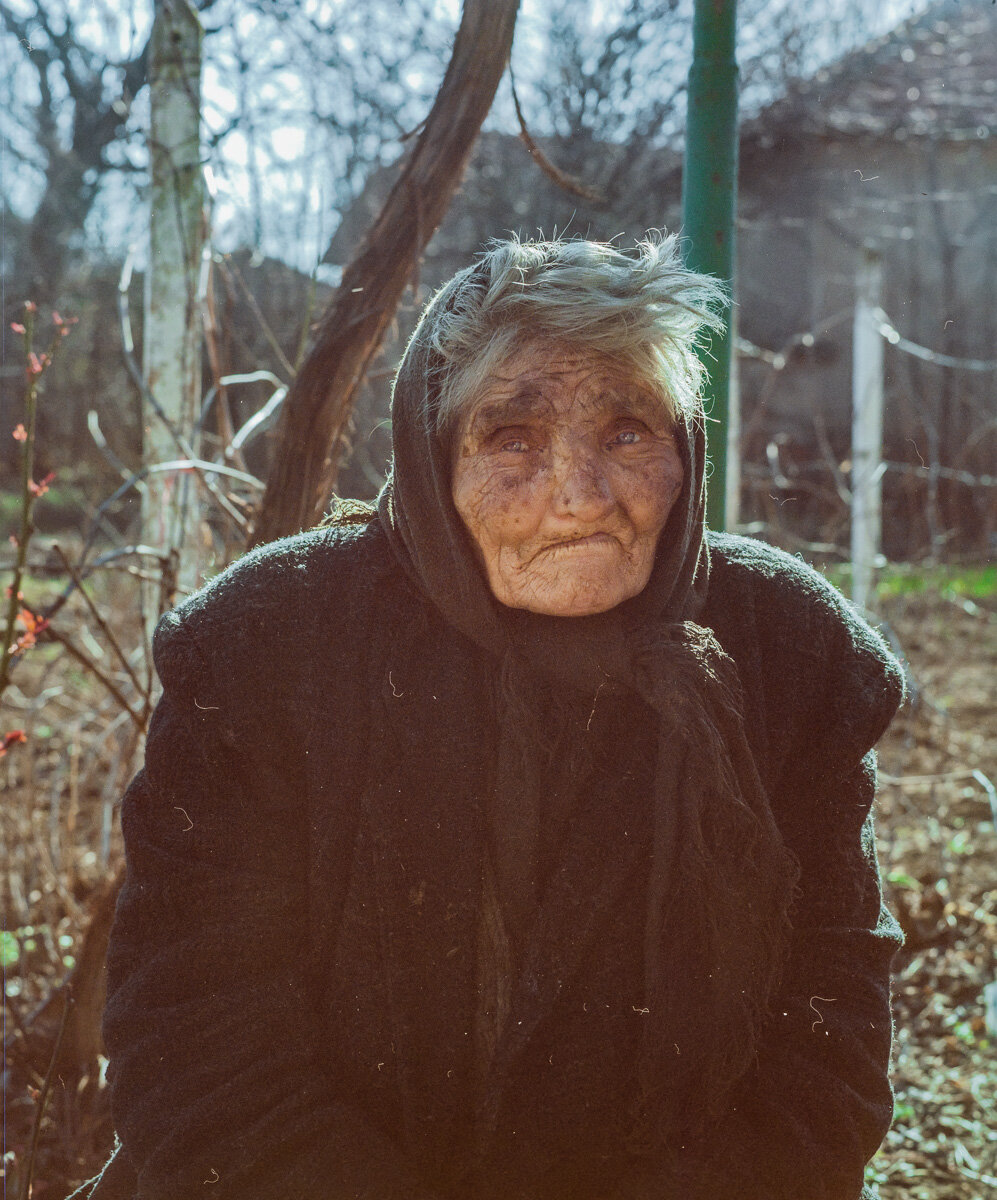
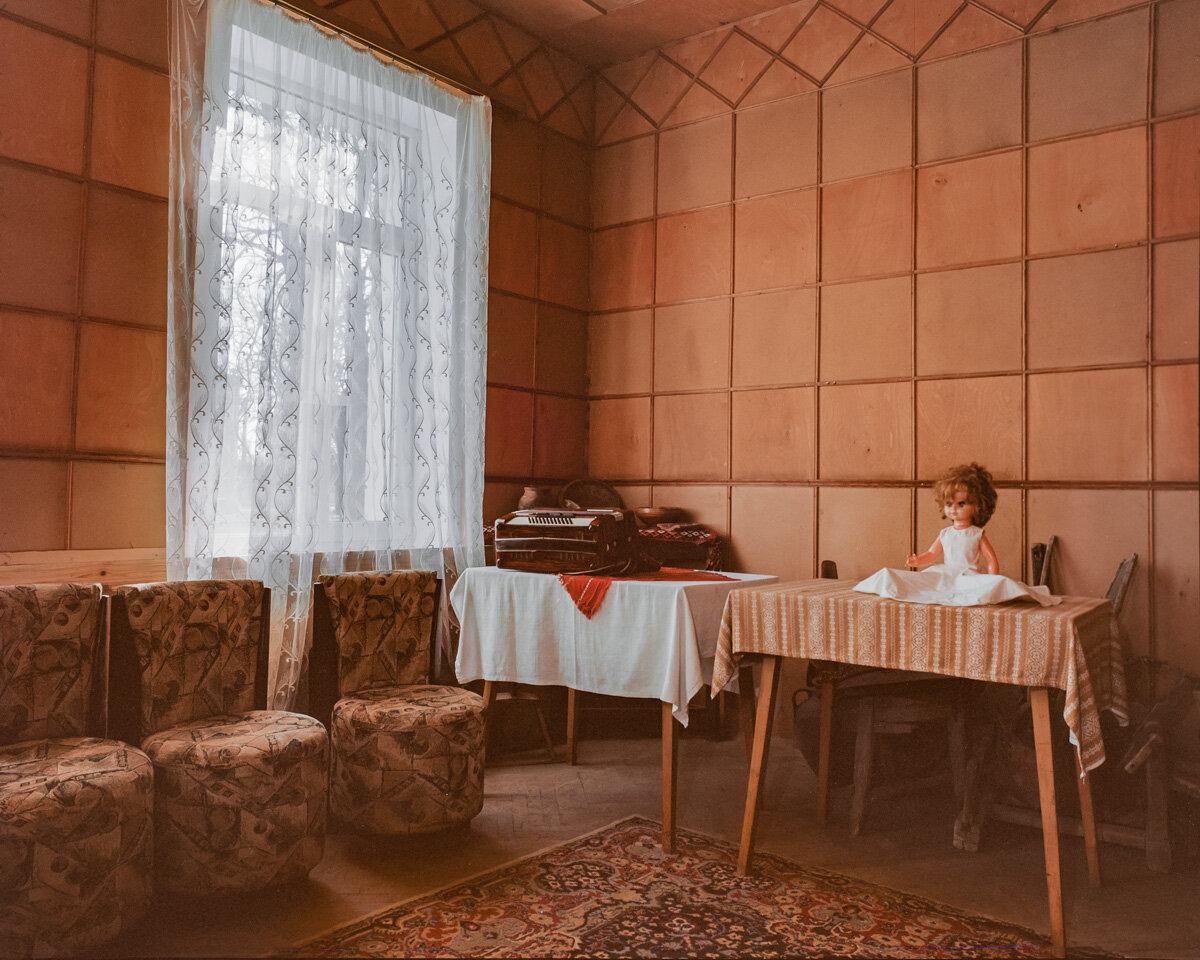
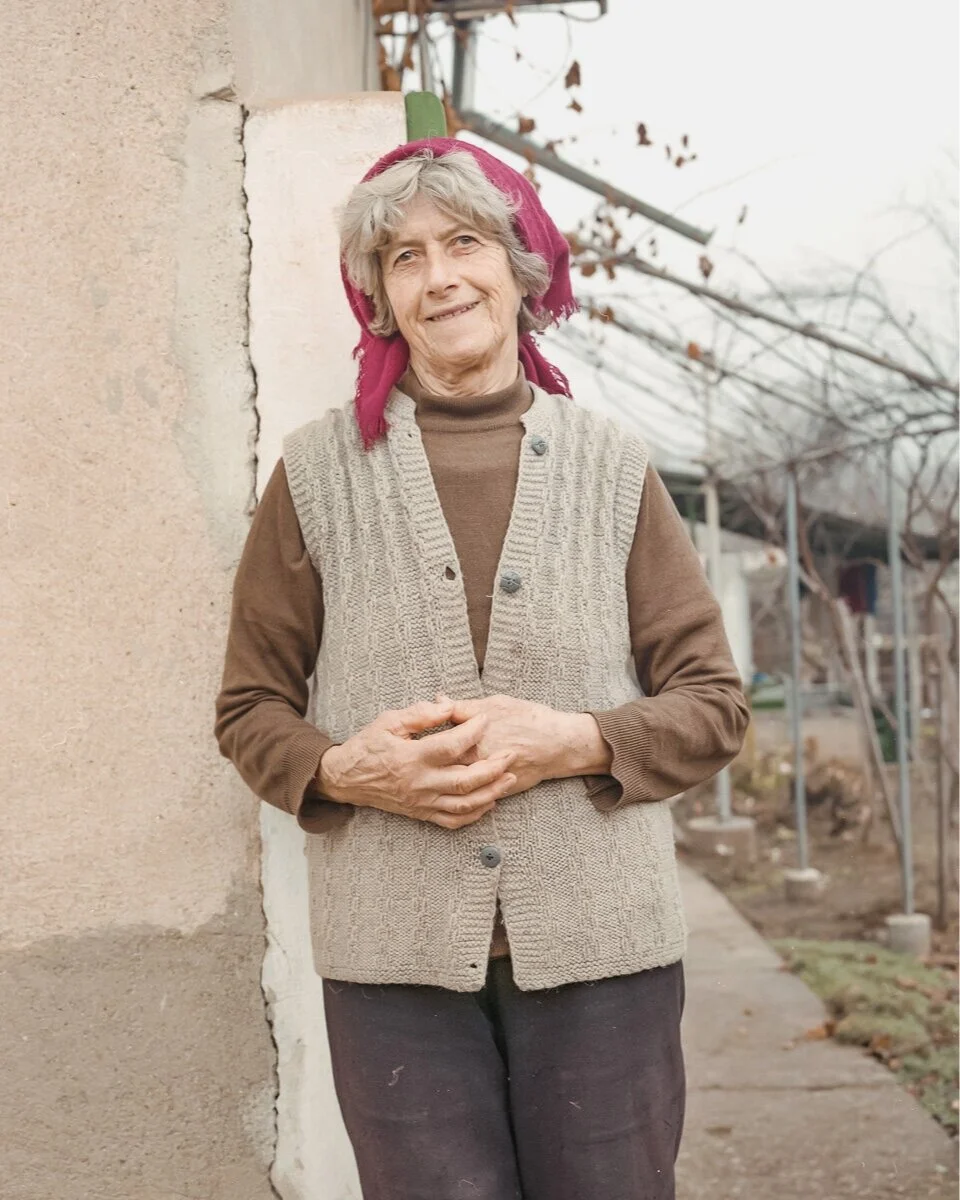
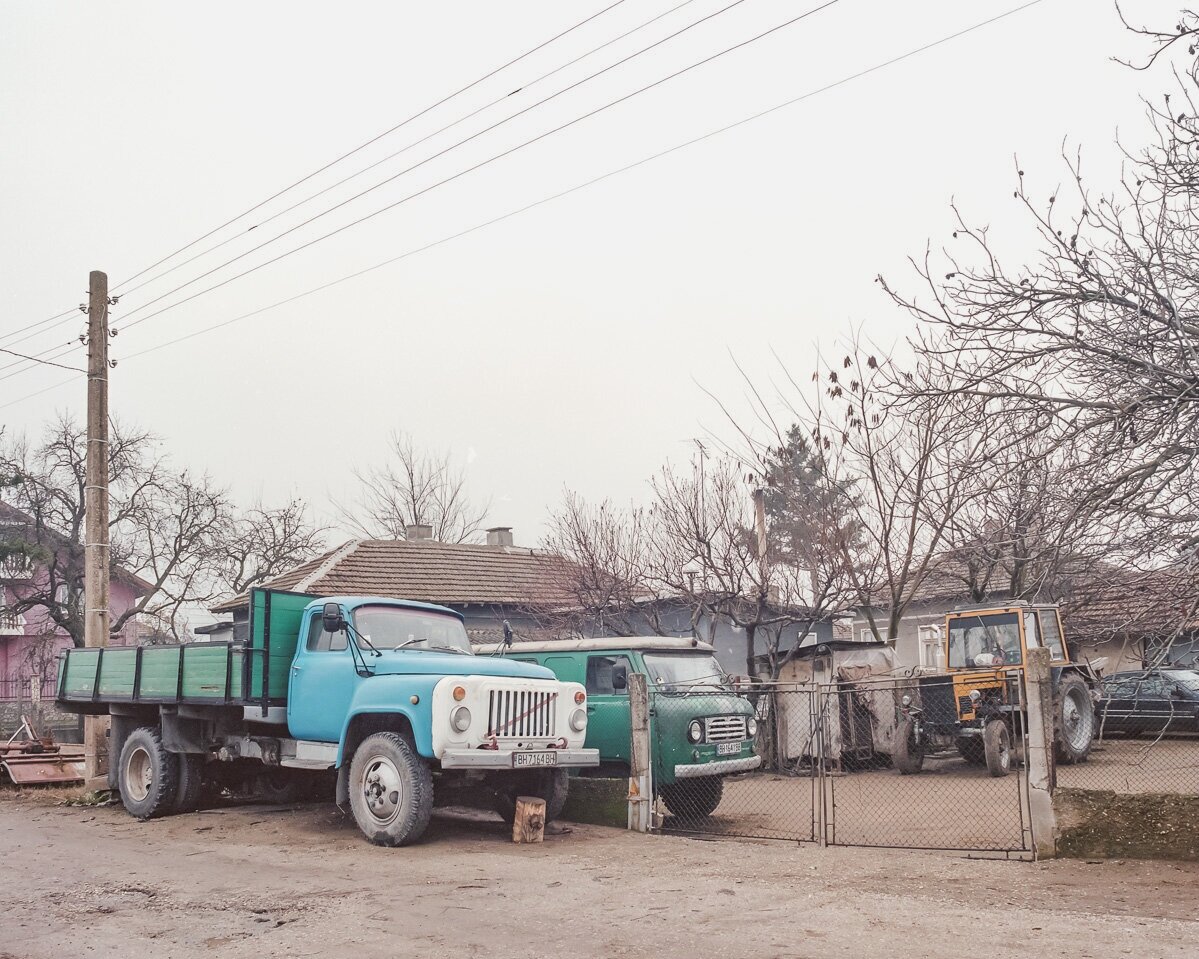
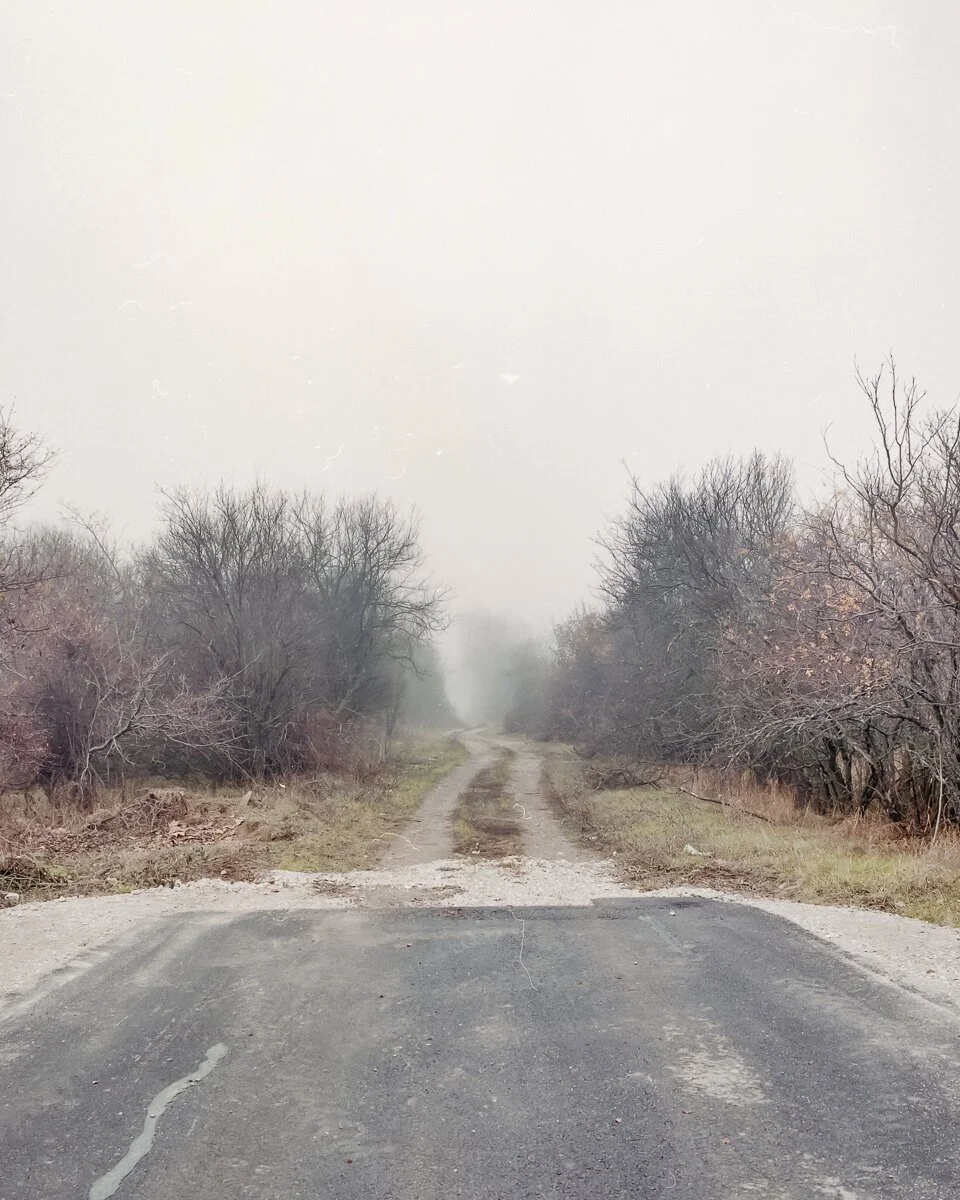
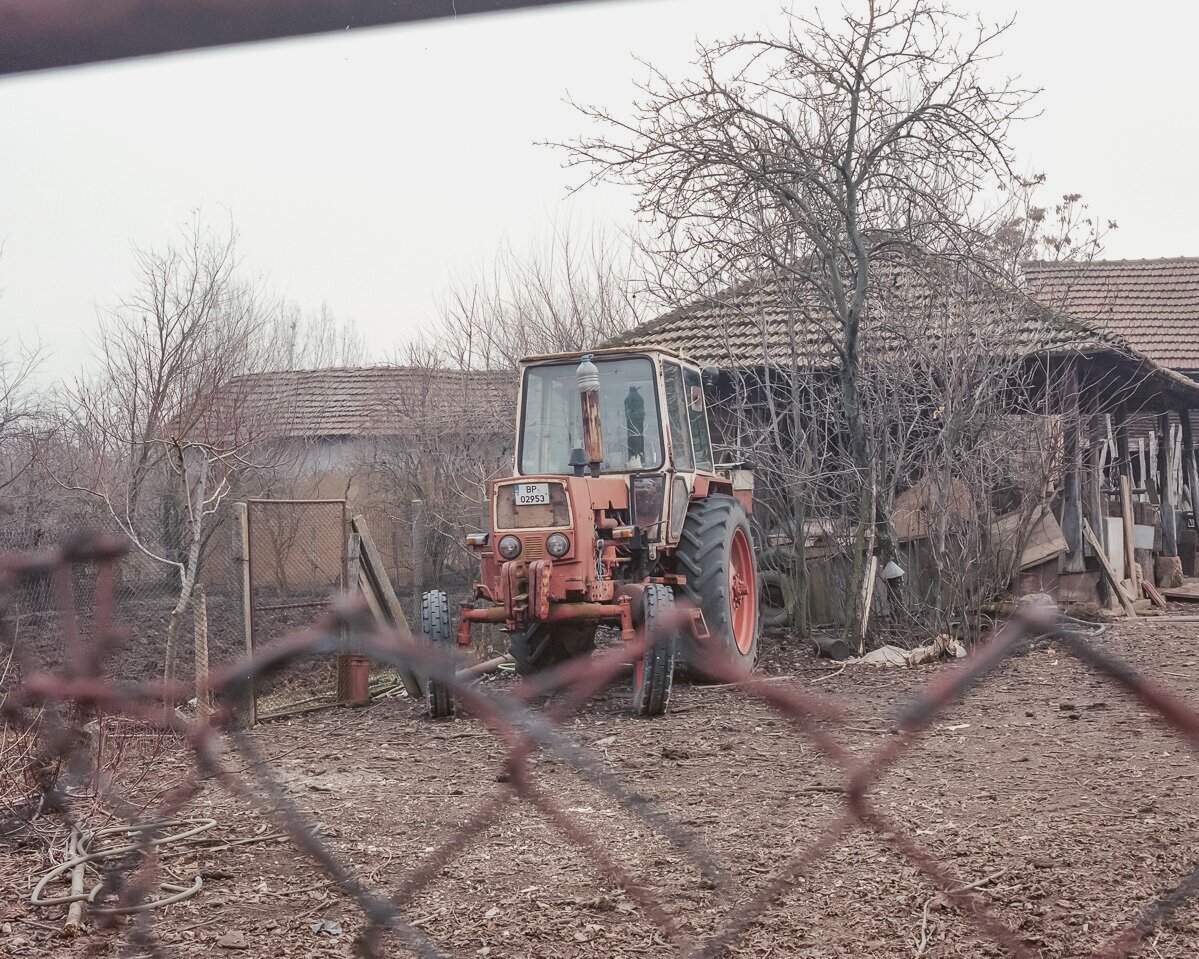
"Exemplary Home" is a documentary work exploring the north-western part of rural Bulgaria. It aims to illustrate the effects of rapid urbanisation and progressive globalisation on the most vulnerable parts of Bulgarian society. It engages with the surreal air of the province and its people through the viewpoint of a Bulgarian expatriate, returning to a landscape leaden with childhood memories. This moment led to the discovery of an intersection of narratives, spanning the periods of The Bulgarian Renaissance, through the Soviet and now Post-Soviet era. The commentary feels particularly relevant in today’s time, with the tide on globalisation turning towards increased disunion.”

Exemplary Home - Yassen Grigorov 1.jpg
Exemplary Home - Yassen Grigorov 5.jpg
Exemplary Home - Yassen Grigorov 6.jpg
Exemplary Home - Yassen Grigorov 8.jpg
Exemplary Home - Yassen Grigorov 10.jpg

I left Bulgaria immediately after graduating high school to study photography in the UK. By that point in my life I had already grown distant and frustrated with the life and mentality in the Republic, so I fully embraced London. Through meeting and interacting with so many people from all over the world and progressively growing to recognise the value in their diversity and by extension, national, ethnic and social identity, I started questioning my own negative views of my home country. Exemplary Home was a return to the roots of my family, tracing them back to the birthplace of my grandparents, and trying to figure out and untangle this ball of complex narratives and socio-political issues that have been affecting Bulgaria since the collapse of the Union by going to the places that have been most severely affected by all the changes. At this current stage I feel like I’ve finally “forgiven” Bulgaria and resolved all that angst and frustration, and I’m excited to build onto this foundation and to embody this trailblazing mentality of how my generation can really build up a framework for cultural and artistic appreciation back home.

Exemplary Home - Yassen Grigorov 13.jpg
Exemplary Home - Yassen Grigorov 11.jpg
Exemplary+Home+-+Yassen+Grigorov+29.jpg
Exemplary+Home+-+Yassen+Grigorov+30.jpg
Exemplary+Home+-+Yassen+Grigorov+25.jpg

“Образцов Дом” (translated “Exemplary Home”) refers to the text found on enamelled signs, that were provided by the Communist party to homes which met certain living and tidiness standards under the regime. These signs are still commonly found, gracing the walls of most houses in the countryside and are one of the most recognisable and memorable symbols of the Party to this day.

Exemplary Home - Yassen Grigorov 22.jpg
Exemplary+Home+-+Yassen+Grigorov+27.jpg
Exemplary+Home+-+Yassen+Grigorov+31.jpg
Exemplary%2BHome%2B-%2BYassen%2BGrigorov%2B32.jpg
Exemplary Home - Yassen Grigorov 15.jpg

Yassen Grigorov is a Bulgarian-born, London-based photographer. He moved to the UK to study at the University of Westminster in 2017, and graduated with a BA in Photography with First Class Honours in 2020. During that time he developed keen interests in a variety of subjects, ranging from fashion, architecture and design, to philosophy, artificial intelligence and sociology. 

ygreq.com

MAP6 Update

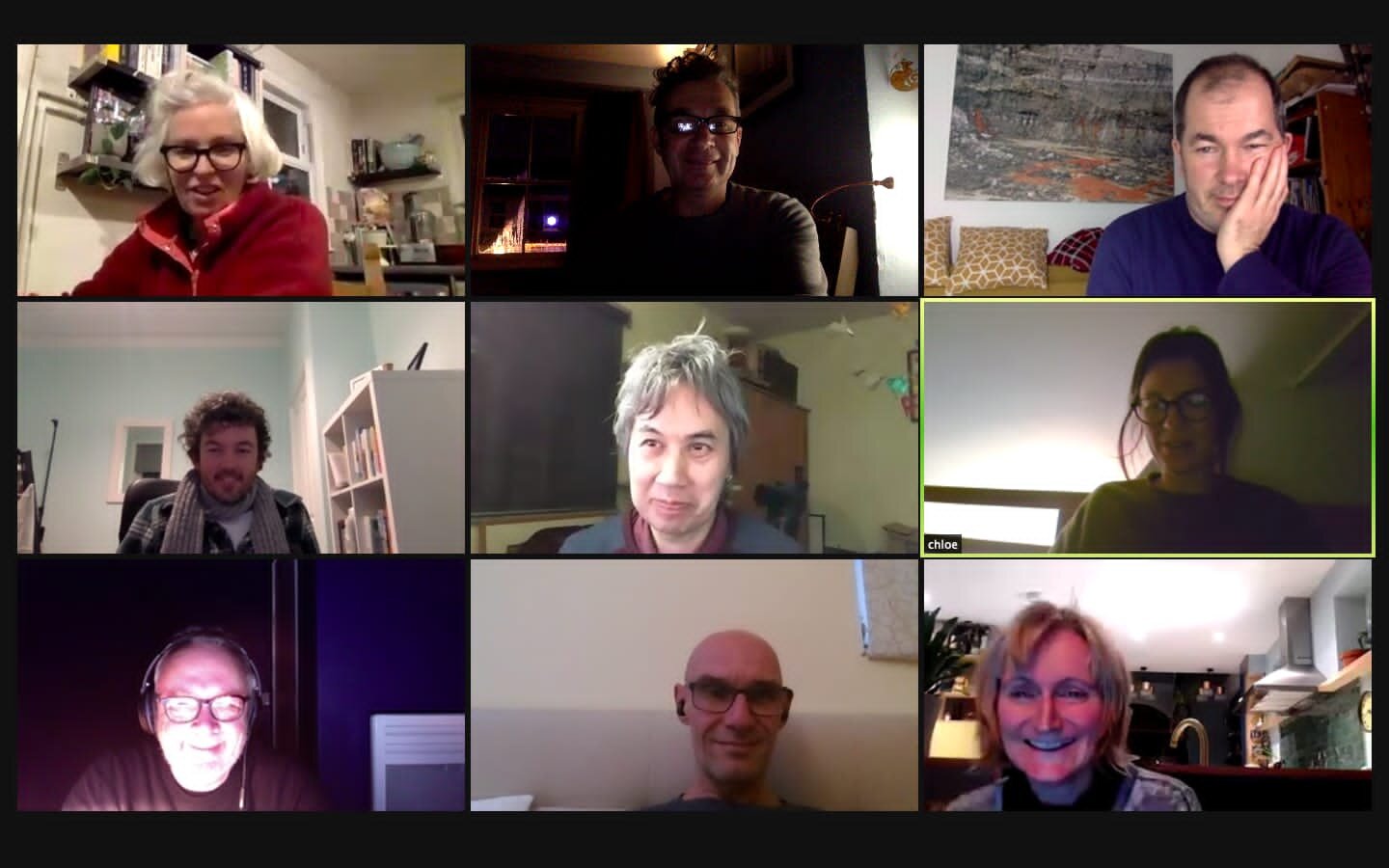
It’s been a trying twelve months, but now that we are easing out of lockdown the world feels fresh with new possibility. Undeniably it hasn’t been easy working collectively, but MAP6 have remained busy behind the scenes through having monthly online meetings, making new work and planning projects for the coming year.

© Richard Chivers, Brighton 2021

© Richard Chivers, Brighton 2021

Firstly we are very excited to announce that we are working on a new book. As we approach out tenth year as a collective we thought the best way to celebrate this was with a new publication. We are currently in the final stages of shaping the book and hope to have pre-orders available soon.

MAP6 members have also been editing work through online meetings and feedback sessions. Coming from a culture of discussing prints intimately around a table, collaborating online has been a new way of working for us as a collective, and has proved to be a useful way of remaining productive. Putting this to the test, during the past few months we have been working on a project that has been a way of us playfully responding to our own personal experiences and being isolated from one another. A taster of this new work is featured on this update, but we will be sharing lots more images and information about the project soon.

© Mitch Karunaratne, London 2021

© Mitch Karunaratne, London 2021

© Mitch Karunaratne, London 2021

© Mitch Karunaratne, London 2021

© Aaron Yeandle, Guernsey 2021

© Aaron Yeandle, Guernsey 2021

Over the past couple of months we have also been planning our next collective venture for a new major project. We are really excited to work together again on location. For now we are keeping the project under wraps, but suffice to say it will be keeping us within our roots of making work about people and place, but with an interesting twist to help us to work collaboratively in a different way.

© Barry Falk, Eastbourne 2021

© Barry Falk, Eastbourne 2021

Currently we are also developing our online shop to incorporate print sales to help us fund the production of further work, so keep an eye on our website for updates if you are interested in purchasing limited edition prints. Furthermore we also have new member Aaron Yeandle on board, who has already proved to be an exciting new addition to the group and will be coming along on our next trip. Finally, we have also been organising an exciting line up of Instagram takeovers and website features from guest photographers, so be sure to keep an eye on our Instagram feed.

© Paul Walsh, Arundel 2021

© Paul Walsh, Arundel 2021

Guest Feature - Oliver Tooke

In 2014 I was in a boat crossing the Tigris river from Syria into Iraq, when an American journalist remarked in awe of all the things the river can and had seen. It travels through Mosul (at the time, occupied by ISIS), and then Baghdad and Basra. Multiple cities, histories and civilisations, all laid out along the same thread. Gilgamesh, the ancient king of Mesopotamia, crossed waters by boat in search of eternal life. Unlike Gilgamesh, I wasn't too sure what I was doing there. I have memories of my childhood, being driven to school everyday and hearing the news on the radio of the Iraq war. Growing up with the war as a backdrop brought up difficult and confusing questions about the role of the UK in the world. Are we a force for good? Why are we really there? Was Iraq really a danger to us? Was it right?.

Oliver_Tooke_01.jpg
Oliver_Tooke_02.jpg
Oliver_Tooke_03.jpg
Oliver_Tooke_04.jpg
Oliver_Tooke_05.jpg

I like to tell myself that the river has a memory. The river watches over the on-going civilisations, seeing the signs, symbols and patterns of life fade away over time. Re-emerge many lifetimes later, though their former meanings may be forgotten. Like the erosion and break up of rocks into pebbles in the river bed, memories fade and collect. I returned many times to the river. My subjects an odd collection of events, non-events, scenes and subjects, found near or on the banks that this water has cut, in a place that had some strange abstract connect to my teenagehood.

Oliver_Tooke_06.jpg
Oliver_Tooke_07.jpg
Oliver_Tooke_08.jpg
Oliver_Tooke_09.jpg
Oliver_Tooke_10.jpg

This project, "Bildungsroman", is the first part in a series of three separate, but connected projects, set in the Arab world and Europe, titled "Arabia Opus 2014-2020". The projects follow the Tigris river through Iraq, explore the Syrian crisis, and then wander out into the Arabian landscape. Each project looks at different subjects and universal themes, and the overall series seems to be my response to issues with globalism, power, and impressions made upon me during my teenage years, particularly with the Iraq war and War On Terror."

Oliver_Tooke_11.jpg
Oliver_Tooke_12.jpg
Oliver_Tooke_13.jpg
Oliver_Tooke_14.jpg
Oliver_Tooke_015.jpg

Oliver Tooke is a British photographer based in Bristol. He is currently on his final year of the MA Photography course at the University of the West of England. During his studies he has been shooting and consolidating a series of projects that he has been working on for almost seven years. All of the projects are still a work in progress, but this year he is working towards a self published set of booklets of the work titled Arabia Opus 2014-2020.

olivertooke.co.uk

Guest Feature - Conor Graves

When the UK government enforced the third national lockdown I took it upon myself to explore and document my hometown of Chesterfield due to having time and freedom on my hands. Having grown up in Chesterfield the majority of my life, and recently moving back there in early 2020 after studying in Manchester, my perspective on the place had changed significantly; this providing me with a great appreciation of the town. 

Untitled (4) 2.jpg
Untitled (4).jpg
Untitled (3) 2.jpg
Untitled (3) copy.jpg
Untitled (3) (4).jpg

I have been using my time to document the town, photographing the mundane and banal landscapes that I would have usually overlooked a few years ago. Due to the lockdown I have been able to photograph areas that would usually be full of life, however my images cause feelings of the opposite, creating a sense of eeriness and thoughts of where and what people are spending their time doing during the pandemic. I have also spent time exploring areas of the small historic market town, as well as visiting nostalgic places that have greatly influenced my life.

Untitled+%282%29+%282%29.jpg
Untitled (5) 2.jpg
Untitled (7).jpg
Untitled (3).jpg
Untitled (2) (5).jpg

Conor Graves is a documentary photographer that has recently graduated from Manchester Metropolitan University. His practice is heavily based on the documentary aspect of life, and often focusses on the mundane and banal places which ordinarily go unnoticed. Being from a typical working class British background inspires him to work on projects that raise questions about the everyday British Landscape.

conorgraves.com

Guest Feature - Melanie Hüebner

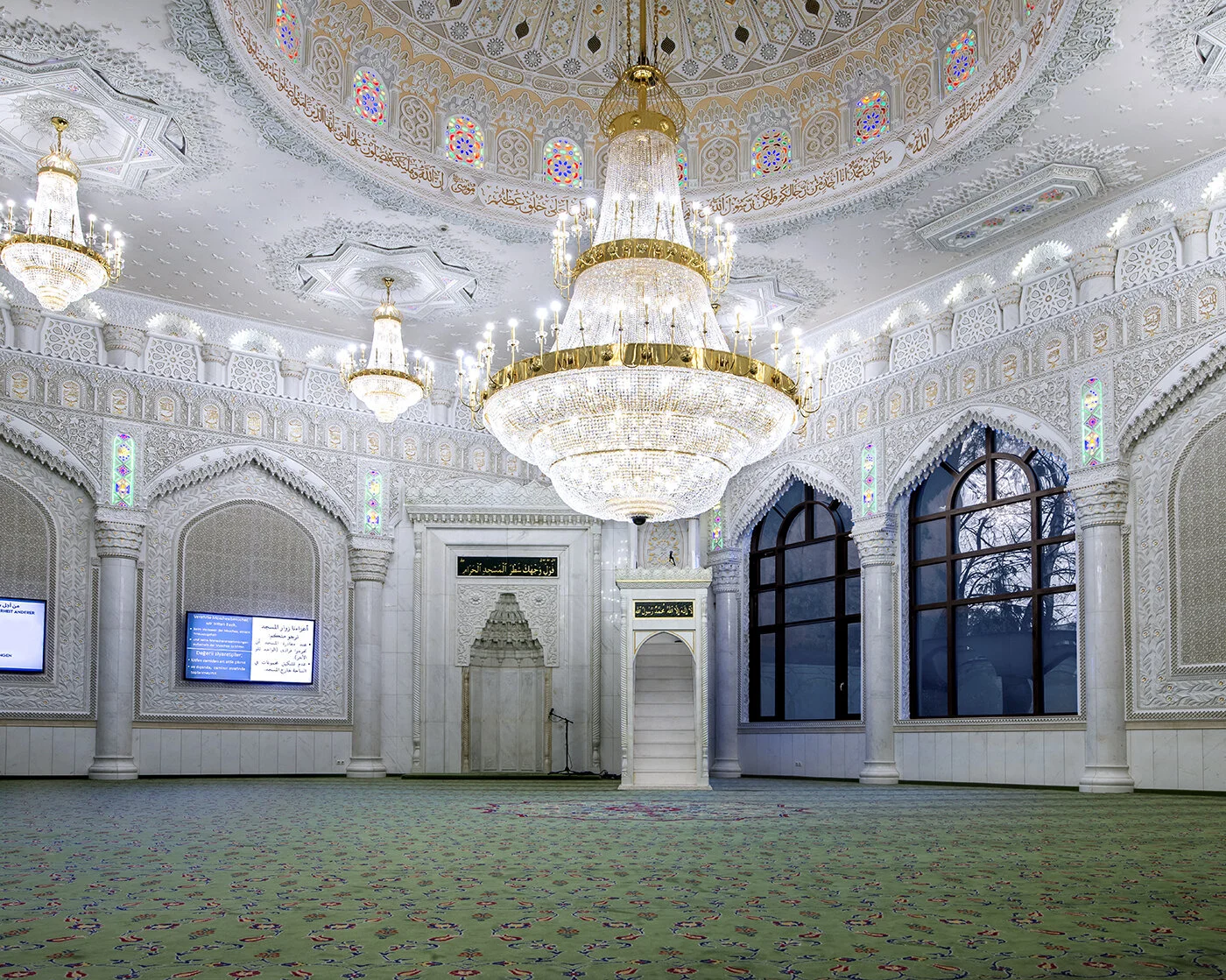
The latest work by Melanie Hüebner looks at sacred spaces in Berlin where she is making pictures of different temples, churches and mosques and recording sound during ceremonies. The focus of the project is on the transcendental and multicultural face of Berlin‘s urban society and its religious beliefs. The project is a collaboration with the Berlin Forum of Religions, to visually and acoustically depict a variety of sacred interior spaces. Berlin‘s intention is to follow a religious-philosophical idea of tolerance which currently manifests itself in the coexistence of around 250 valued religious and ideological communities. In order to promote this and to provide an impetus for other urban societies, the project seeks to create an inner-city, as well as international dialogue, between cultural institutions and religious communities.

1.Buddhistisches_Tor.jpg
2.Sukkat_Schalom.jpg
3.Omar_Ibn_Al_Khattab_Men.jpg
4.Bali_Tempel.jpg
5.Sri_Ganesha_I_HAsenheide.jpg

The photographs are produced from the central perspective of the interior spaces and use existing light sources. In doing so, the space is depicted in its natural state. People or groups do not appear in the images and sound recordings of prayers or chanting will accompany the photographs, to heighten the personal experience for the viewer.

6.Kaiser_Wilhelm_Gedächtniskirche.jpg
7.Asal_Manzil_Suffi_II.jpg
8.Thomas_von_Aquin_Kirche.jpg
9.Cemevi_Aleviten_Berlin_II.jpg
10.LHIN_THUU_PAGODE.jpg

Melanie Hüebner is a photographer based in Berlin. She originally studied at the Folkwang University of Arts around which time she worked intensively on analogue techniques within a black and white lab. In 2015 she completed her diploma at the Folkwanghochschule. She has worked on numerous projects that have been exhibited internationally, and her work The 12th house was seen at the Museum für Angewandte Kunst in Gera, at the Wiesbadener Fototage and Sommersethouse in London.

melaniehuebner.com

Guest Feature - Sapphire Stewart

During April last year I had to move out of my boyfriend’s house in Bristol and back to my family home in Farnham due to Covid-19. This caused me to examine the relationships I hold between my boyfriend and my family and explore the changes I went through as I had to switch from the role of lover to daughter. Upon reflection, this project was a means of self-exploration, realisation, and transformation.

1.jpg
2.jpg
3.jpg
4.jpg
5.jpg

During these unusual circumstances, the camera became a tool in which to distract, release, and understand. This body of work that I have created is much more than I can put into words. I believe a photograph can capture an essence that one cannot see with the naked eye. Something that would go unnoticed. Something timeless. Something the mind simply cannot understand.

05.jpg
6.jpg
8.jpg
9.jpg
10.jpg

Sapphire Stewart is a photographer based in the South East. Her key interests lie in the role of narrative, specialising in documentary, fine art, and portrait photography. Her recent projects have explored areas that are emotive and delved into self-exploration, seeking to examine and disrupt the conventional. Sapphire has a BA Hons in Photography from Bath Spa University.

sapphirewstewart.co.uk

Behind The Image - Chloe Lelliott

Chloe Lelliott shares the story behind her fleeting encounter in a London hotel foyer.

Halcion Lounge.jpg

Describe the image.

A smart male figure is waiting in a foyer standing in front of curtains

Where was this photograph taken.

London Hotel Foyer - I can’t remember which as I photographed in so many...

Why was this photograph made?

The photograph was made as part of a series called Halcion Lounge which explored various hotel foyers. I was interested in transitory spaces and hotel foyers as they were a place where lots of people's lives would cross. I liked the snatched pieces of conversations and to imagine all these anonymous figures' stories, where they had been, why they were here.

What was happening outside of the frame.

The image was taken with a tripod and a Mamiya medium format camera. The Camera is quite ancient and makes lots of mechanical sounds, so it was not always easy to be incognito! I was photographing something else when the man came through the door, which I think led to a conference room. He seemed to be having a quick break and adjusted his tie, there was something really elegant about how he stood amidst the curtains. I only got two shots before he went back inside.

Tell us a key fact about this photograph.

It helped me to start to include more people within my work.

Why is this photograph important to you.

It’s probably my most exhibited image and has been successful in that way. It is a simple image but for me it has an elegant melancholy feeling to it, and for some reason I find it quite haunting, perhaps because I never got to see the man's face. There is a stillness and ambiguity that I enjoy and it gave me the confidence to use people more in my work. Halcion Lounge was the last series that I shot on my Mamiya, and this image is a reminder of that period using that camera.