Guest Feature - Andrea Pirisi

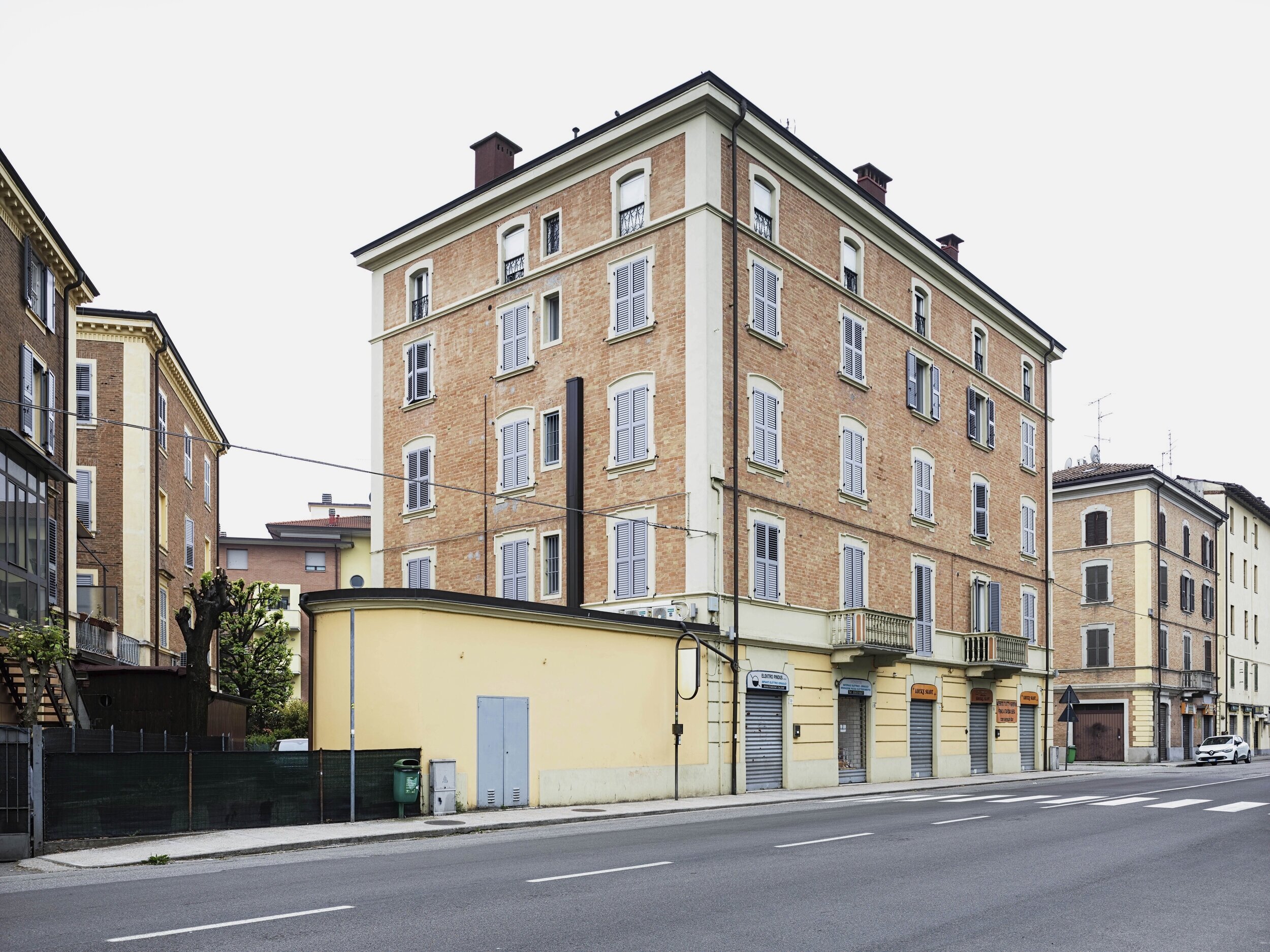
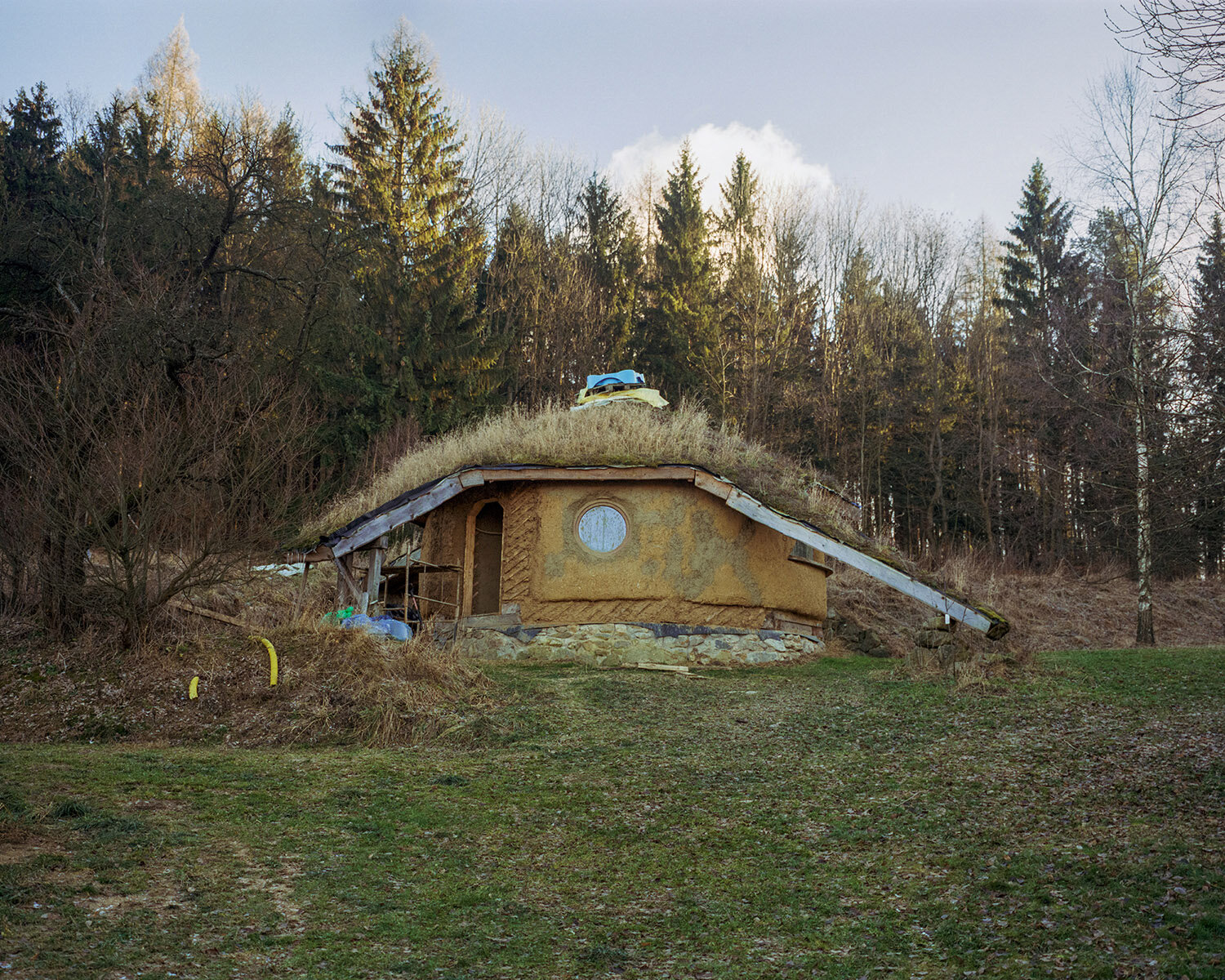
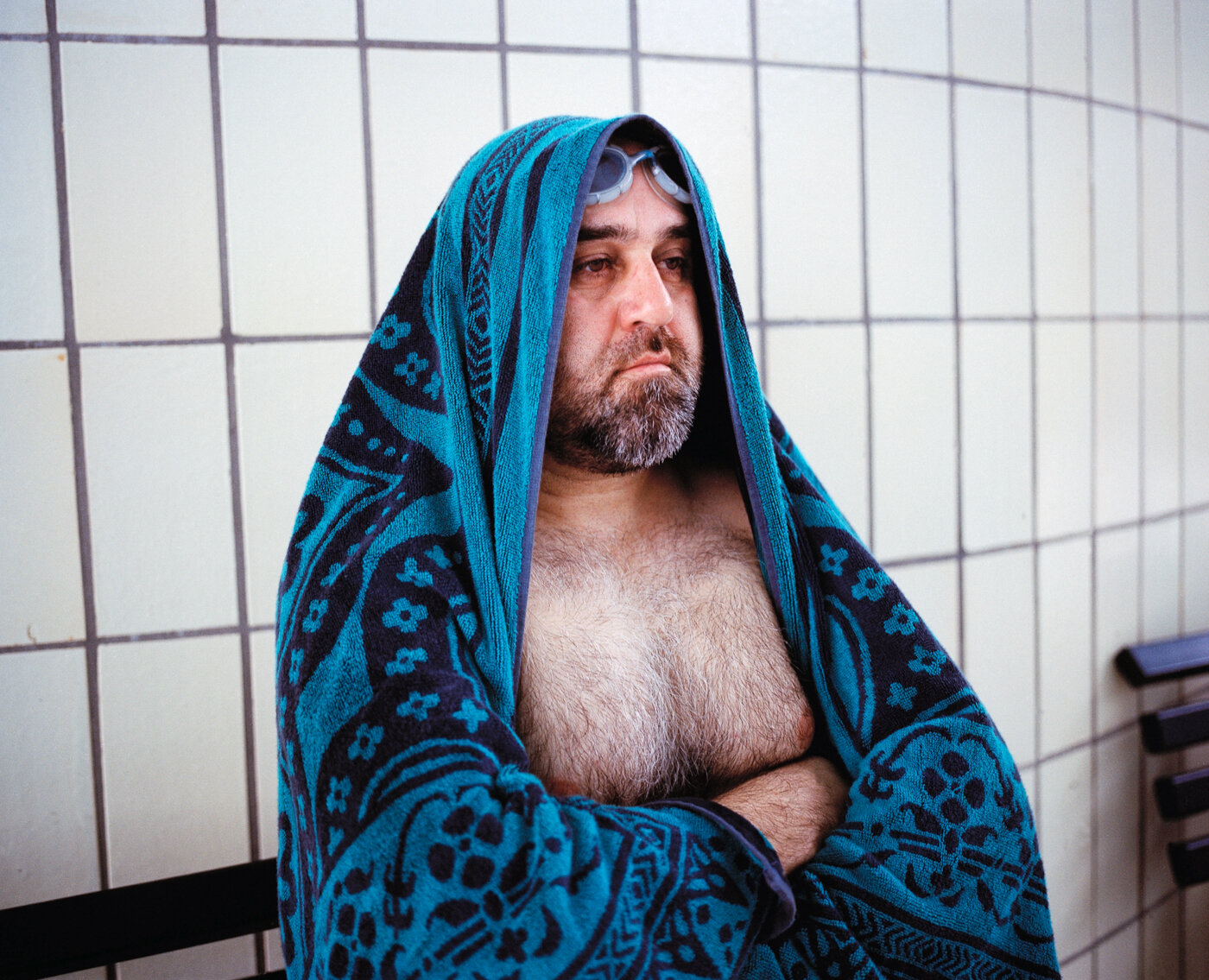
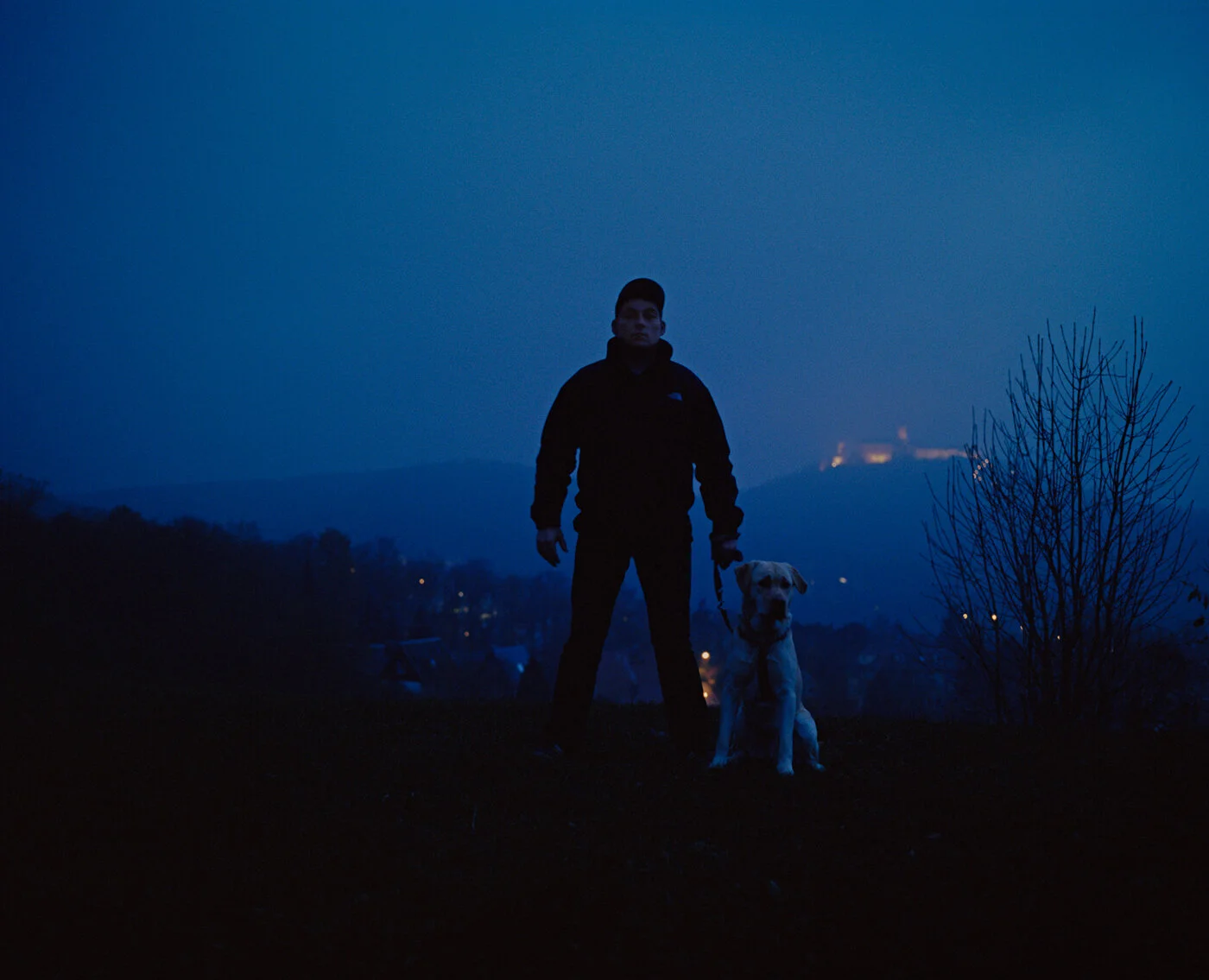
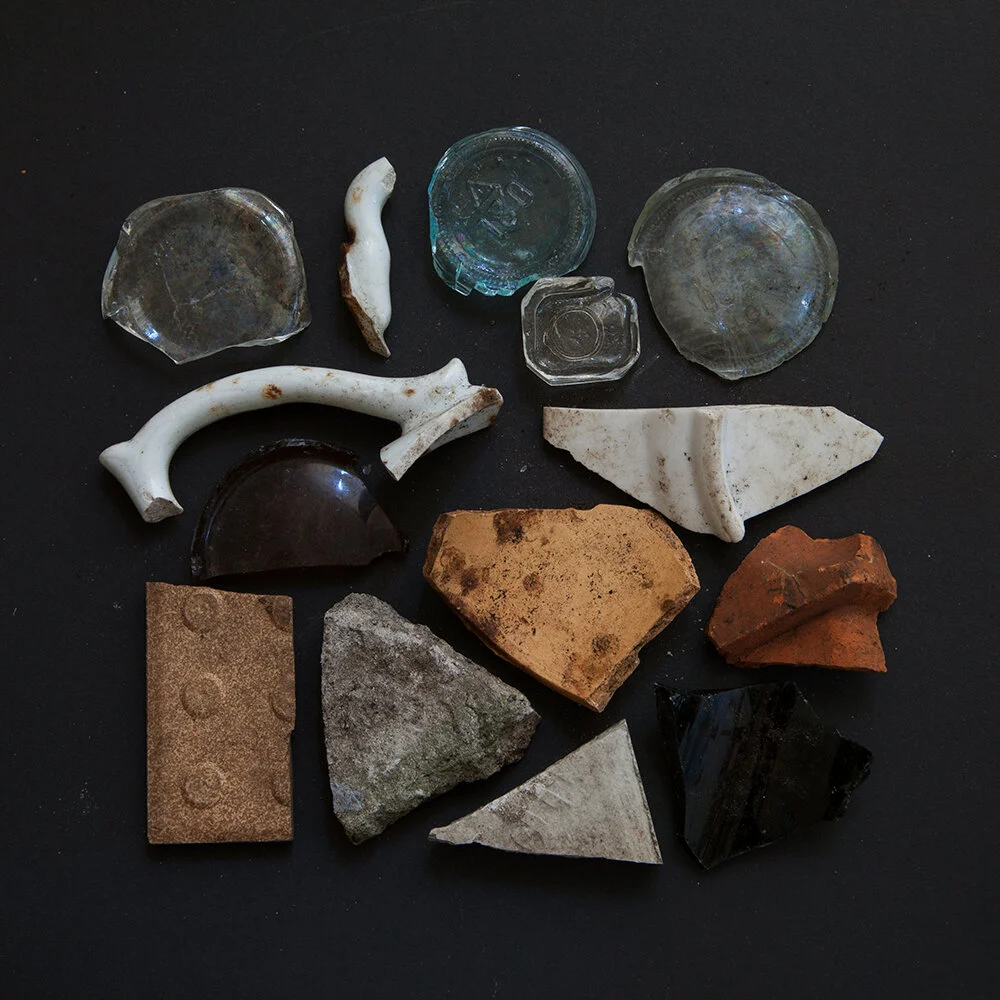
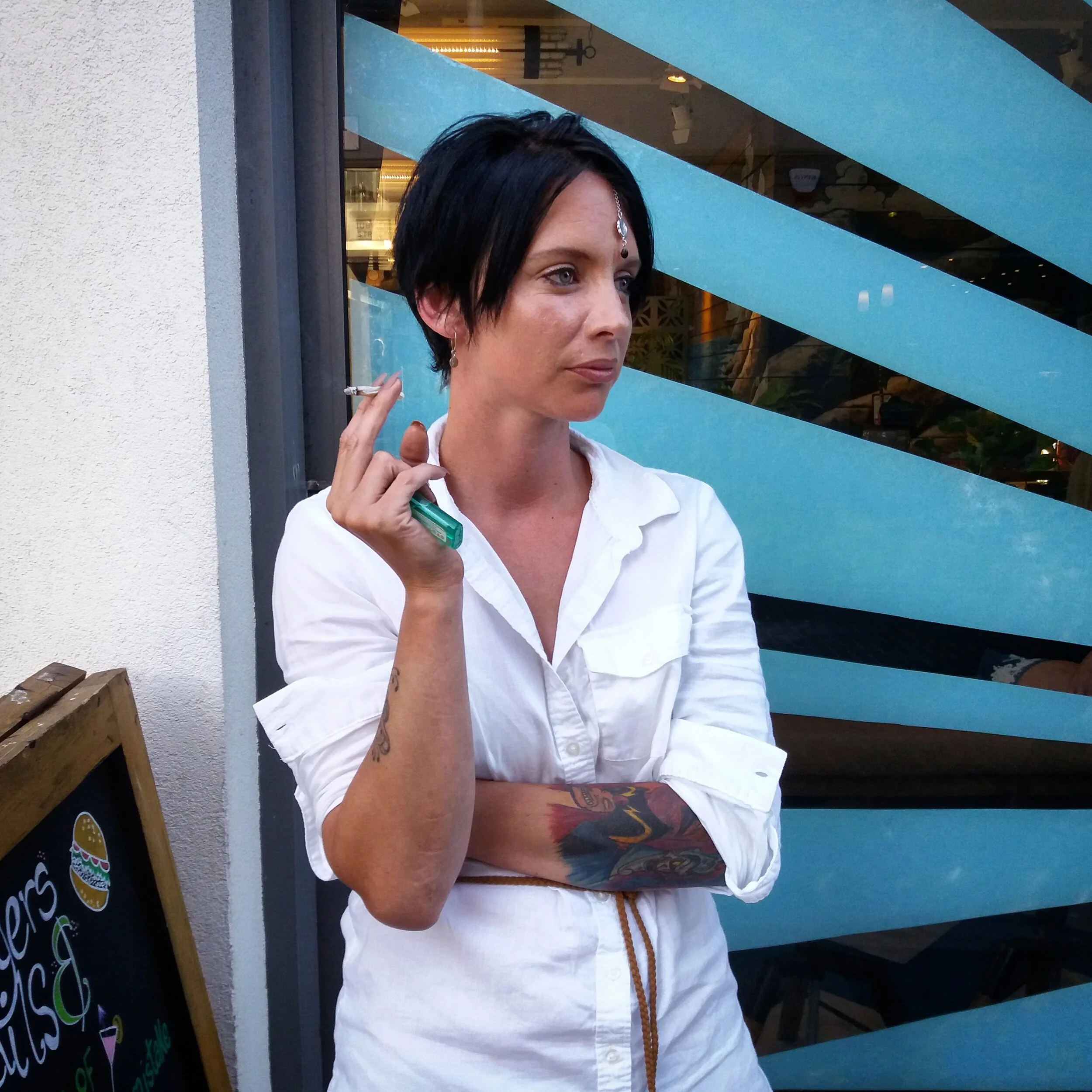
La Crocetta is the first workers district of Modena, an area consisting of many unused buildings. The presence of these industrial settlements was largely connected to the residential areas that housed workers. The abandonment of the production cycle has changed the face of the area and its relationship with the rest of the city. Today the old roads and the railway lines, which connected the area to the city, are left abandoned as nature slowly takes over. I feel that it’s important to preserve the historical memories of this place.

05_andreapirisi_lacrocetta.jpg
07_andreapirisi_lacrocetta.jpg
06_andreapirisi_lacrocetta.jpg
14_andreapirisi_lacrocetta.jpg
11_andreapirisi_lacrocetta.jpg
12_andreapirisi_lacrocetta.jpg
16_andreapirisi_lacrocetta.jpg
17_andreapirisi_lacrocetta.jpg

Born in Mantua, Italy in 1971, Andrea graduated with a degree in architecture before attending the Masters of Fotodesign, Form and Image-Formafoto at NABA in Milan. There he studied under the photographer Gabriele Basilico. His photography is an interpretation of architectural space where he explores the city with a technical camera, specifically a Silvestri Bicam III and a Hasselblad medium format camera with both a film and digital back.

www.andreapirisi.com

Guest Feature - Rhombie Sandoval

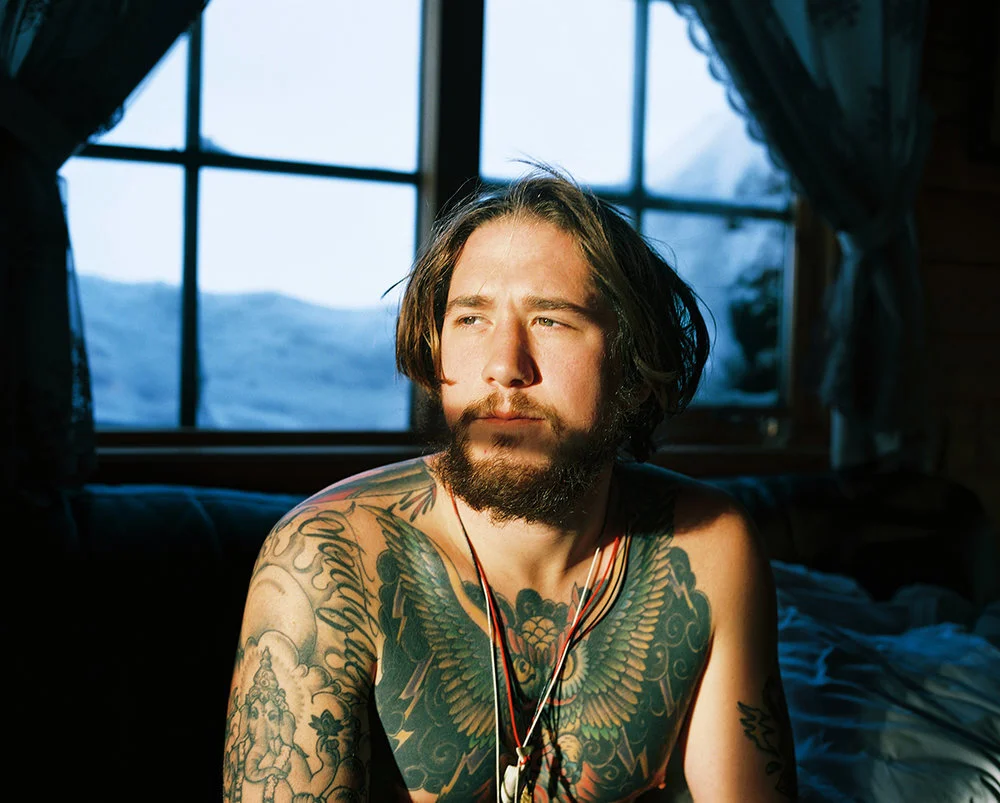
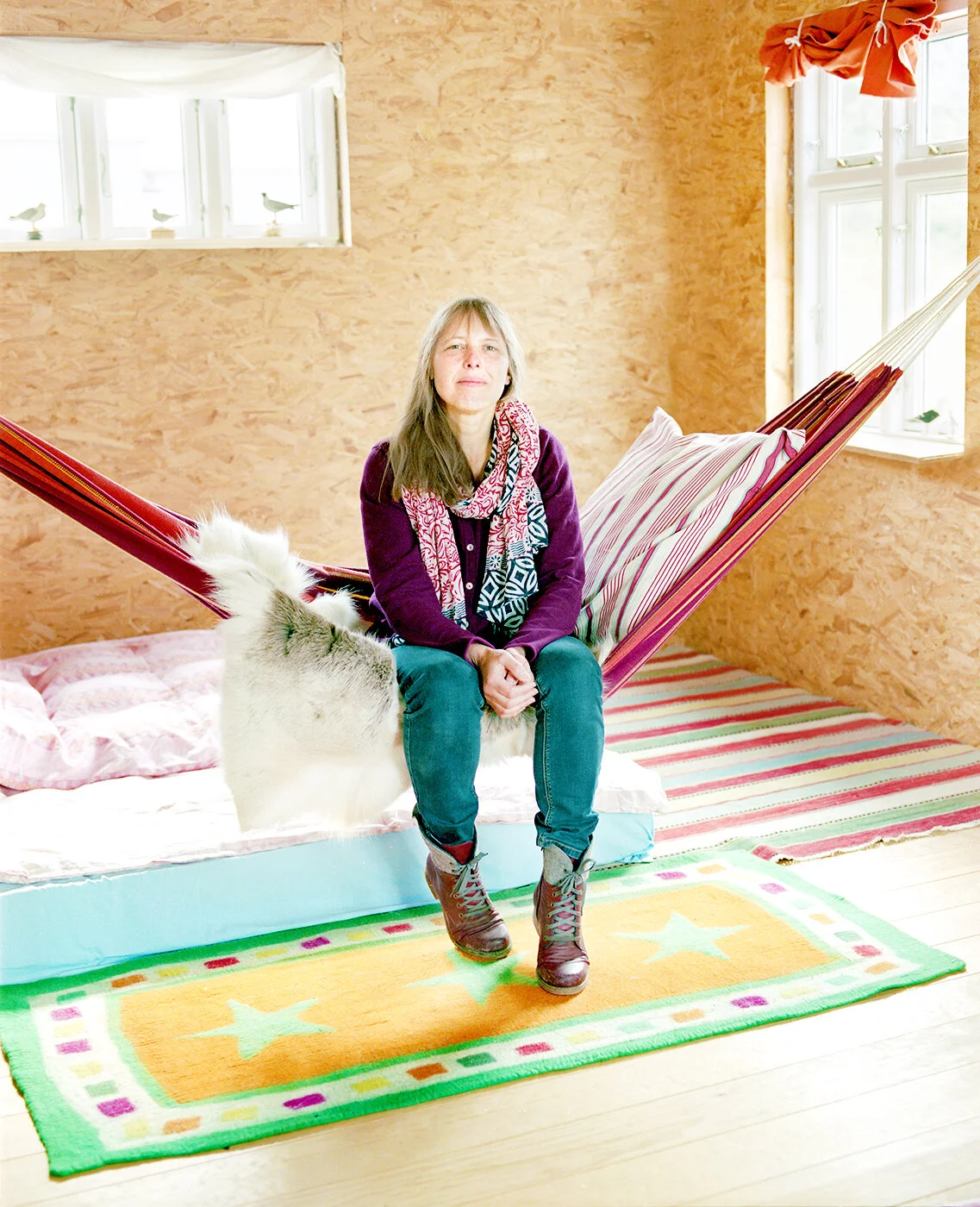
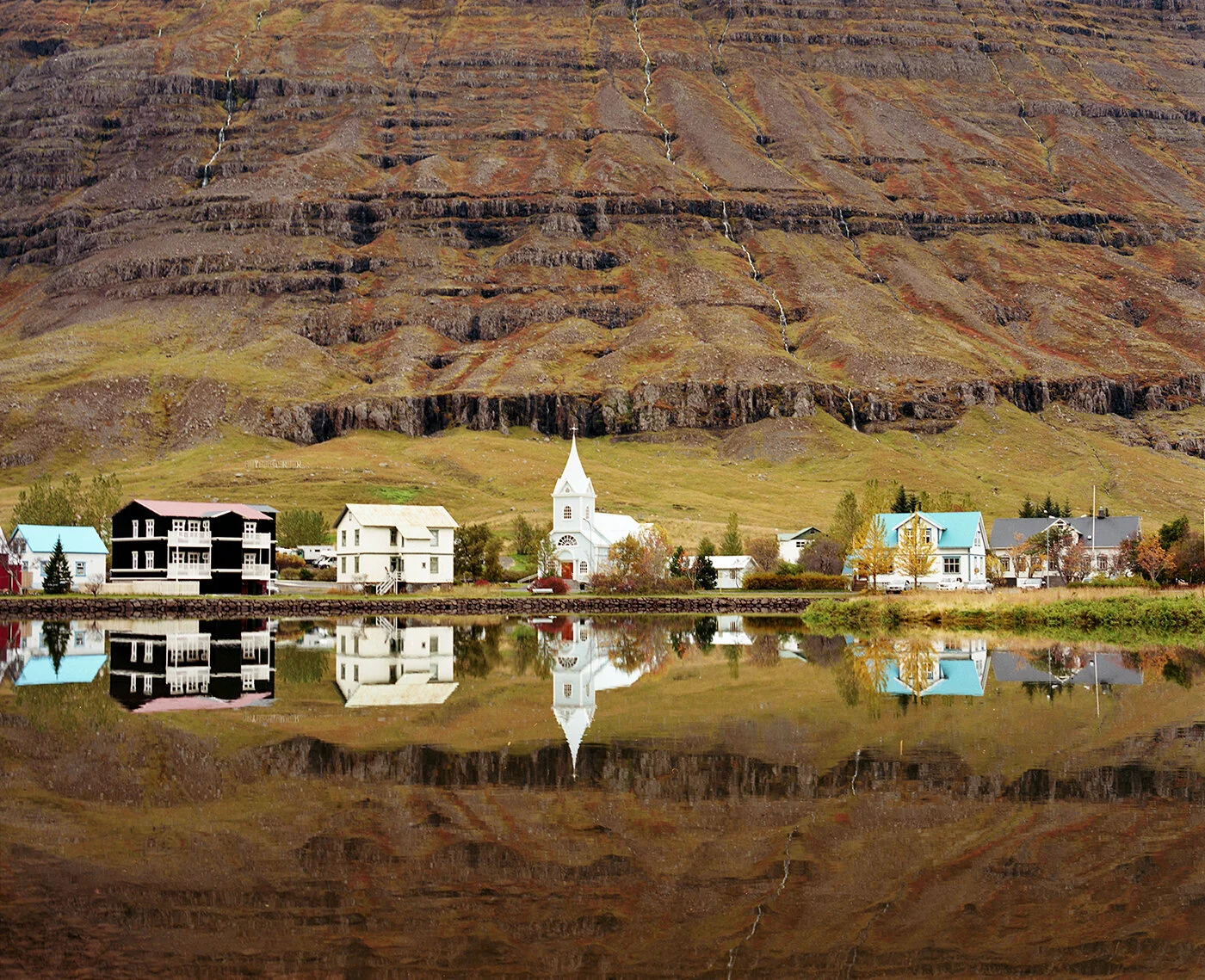
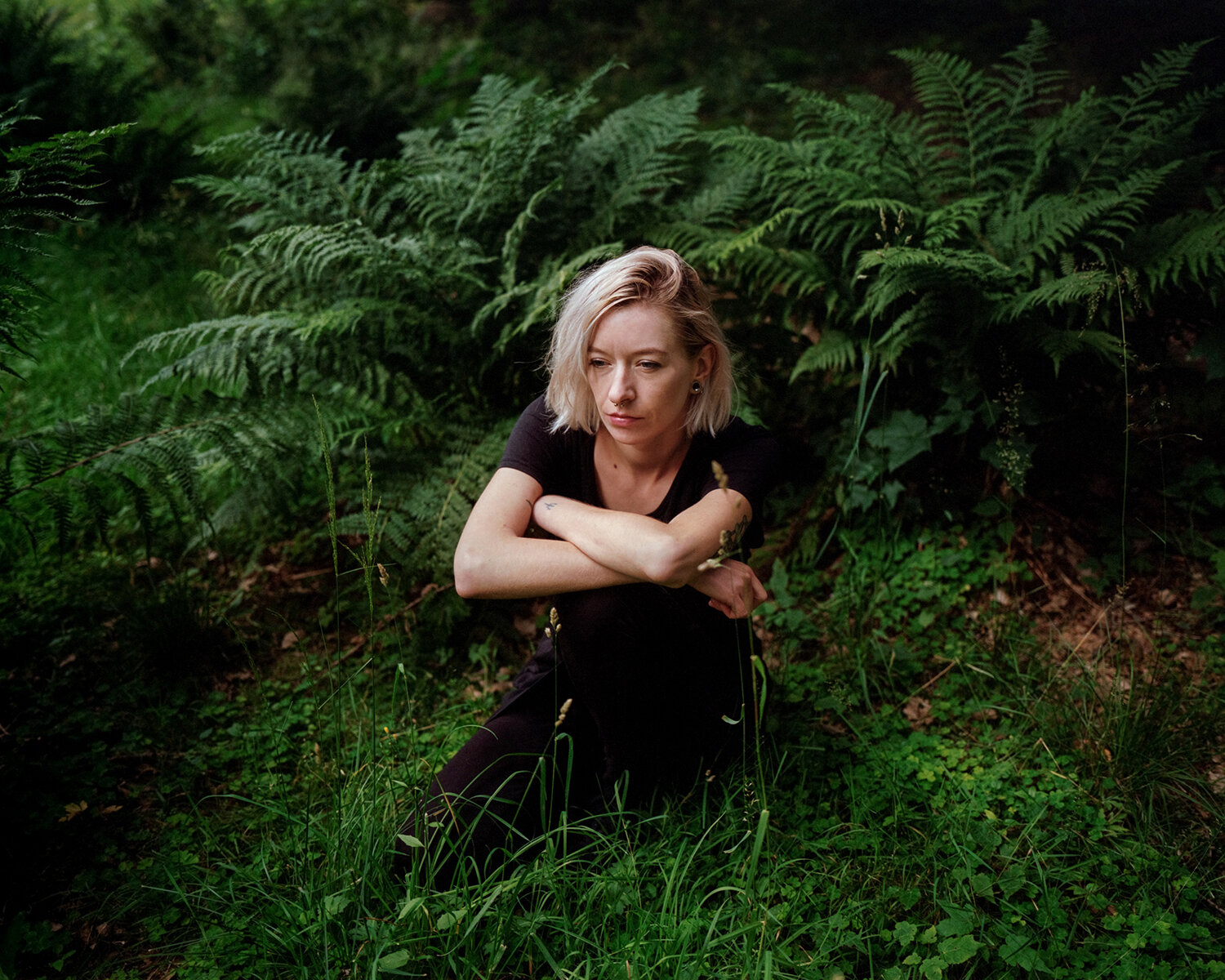
Heima, which means Home in Icelandic, is a collection of portraits and their corresponding stories created during my residency in Seydisfjordur, Iceland. Inspired by my interactions with the close knit community, with a population under 700, I began to discover home 4000 miles away from my own. 

AS240416SE007895-20170426-06_edit_web.jpg
Maggie is a poet and performance based artist. Her performances are layered with levels of complexity as she questions the variety of roles she plays in life.

Maggie is a poet and performance based artist. Her performances are layered with levels of complexity as she questions the variety of roles she plays in life.

Heima055.jpg
Cordula lives in Demark while she fixes up her home in Seyðisfjörður. Her house is called Breidablik which has three meanings, my favorite being the light connecting the sky and earth. She works as a carpenter, building most of what she brings to Br…

Cordula lives in Demark while she fixes up her home in Seyðisfjörður. Her house is called Breidablik which has three meanings, my favorite being the light connecting the sky and earth. She works as a carpenter, building most of what she brings to Breidablik in Denmark before transporting it back on the ferry.

Heima099.jpg
Elgur is an offspring from the only stallion her Father has bred. Elgur had been to three different trainers but none of them succeeded. Her Father decided to give it a try, riding him in deep snow so it was less likely he could run away. “He was ve…

Elgur is an offspring from the only stallion her Father has bred. Elgur had been to three different trainers but none of them succeeded. Her Father decided to give it a try, riding him in deep snow so it was less likely he could run away. “He was very closed off and afraid, but curious, and therefore I connected with him. I remember feeling like a hero, 16 years old riding this crazy horse that everyone gave up on. Although he is blind, I still ride him, he's my round up' horse.” Their trust in one another allows Sunna to take Elgur anywhere. “I've fallen off him so many times, but he always stops and waits for me to get back on. He understands me, and I understand him so well. I can't really explain it better, it's just a feeling.”

Heima132.jpg
Nick is a noise performer and is often paying attention to the details of objects that come across his field of vision. He frequently stopped by Heima on his bike to drop off or pick up supplies. We once went dumpster diving at the local market. He …

Nick is a noise performer and is often paying attention to the details of objects that come across his field of vision. He frequently stopped by Heima on his bike to drop off or pick up supplies. We once went dumpster diving at the local market. He stood in the dumpster looking at whatever he found to see what sound it would produce.

Heima052.jpg
Heima209.jpg
When I met Dagrun she was in need of a friend. There is only one other student her age attending school with her. Among the other things bothering her, I imagine that alone could make you feel lonely. Dagrun’s name means secret of the day. I feel sh…

When I met Dagrun she was in need of a friend. There is only one other student her age attending school with her. Among the other things bothering her, I imagine that alone could make you feel lonely. Dagrun’s name means secret of the day. I feel she trusts me to keep it that way.

Heima165.jpg
Heima149.jpg

Rhombie Sandoval is a photographer and storyteller from Southern California. Her entry into photography started after receiving a camera as a gift from the Make A Wish Foundation, a gesture arranged on her behalf due to being born with heart disease. With the camera, Sandoval realized she could navigate her shyness and connect with people using the camera as a tool to understand various vantage points, searching for and highlighting the common themes linked to one’s identity and location. Sandoval later studied Photography at Art Center College of Design. She is also the founder of Anywhere Blvd, a platform which features portrait photographers by promoting the narratives of their subjects.

www.rhombie.com

Guest Feature - Dimitris Rapakousis

Acharnon street is situated in the historic center of Athens. Unsurprisingly, it has been labeled a ‘ghetto’, a place without an entry or exit to be found on the fringes of a metropolis. Houses and apartments around Saint Panteleimon, the central church of the neighbourhood, are occupied by immigrants who have come here with the dream of a better life, bringing their families along when they can. These people form a new class of citizens, facing fierce prejudice not only from the authorities but also from a part of society. In fact, this is the area where the first pogroms were organized by the right-wing extremist groups of the country, including Chrysi Avgi.

01.jpg
02.jpg
03.jpg
05.jpg
06.jpg
07.jpg

The degradation of Acharnon Street began after the Olympic games of 2004, while today the limits of what is legal and what is not are not easily discerned. Acharnon Street has become a melting pot for brothels, institutes for drug rehabilitation, gambling houses, as well as people of all religions, ages and professions-Orthodox, Muslims, Hindus, money-lenders, old and young-try to openly co-exist. Acharnon Street narrates their stories, constantly raising an important and timely question that the Greek society needs to answer: is it ready to accept and integrate differences?

08.jpg
09.jpg
10.jpg
11.jpg
12.JPG
13.jpg

Dimitris Rapakousis was born in 1981 and lives in Athens. He graduated from the ‘Focus’ School of Art Photography, Video & New Technologies in 2010. He has been working as a freelance documentary photographer over the past 10 years, collaborating with international agencies like Associated Press (AP) or Agence France-Presse (AFP) and the Greek magazines Epsilon, Unfollow, Vice and Kathimerini (K-magazine). He is a contributing member of the Depression Era collective project, which was founded in 2011 and pictures post-crisis Greece.

rapakousisphotographer.com

Behind The Image - Aaron Yeandle

Aaron Yeandle describes his fortuitous encounter with a woman in a housing care complex in Guernsey, the Channel Islands.

Pam.jpg

Briefly describe the photograph    

Pam is central in the image, above and behind her there are three images. On the right is an embroidered young child. In the centre there is an image of a white angel, which is strangely coincidental because Pam always felt there was an angel behind her shoulder watching out for her. On the left there is a verse which says:

‘’They who wait upon the Lord shall renew their strength; they shall mount up with wings as eagles; they shall run, and not be weary; and they shall walk, and not faint’’.

Where was this photograph made?

Les Blancs Bois Housing care complex, which is in Guernsey the Channel Islands.

Why was the photograph made?

This portrait of Pamela Margaret Bourgaize is from the Voice-Vouaie project. The project is a social and historical body of work which captures the last original native speakers of the Guernsey endangered language. The work is comprised off intimate portraits and images of their personal objects. The project was three years in the making and all of the portraits have been taken in people’s homes, showing their private environments.  

What was happening outside the frame?

We began by chatting over a cup of tea before I decided on the location where to take Pam’s portrait. After the portrait was taken Pam started to tell me about her life and her religion, and how in many ways it saved her through miracles. Pam’s life story was fascinating and at times sad and distressing but it made this portrait even more poignant. 

Tell us a key fact about this photograph.

Pam went to live in Canada in her 20’s and worked as a radiographer and a clinical instructor for eleven years. Then out of nowhere she became extremely ill, suffering from non-stop migraines and uncontrollable vomiting. Pam also started to suffer from amnesia at the same time. After a long period of trying to diagnose what was wrong with her the doctors discovered she was suffering from Spinal Tubercular Meningitis, which is exceptionally rare in the western hemisphere. During this period she had numerous brain operations and almost died on several occasions. Her life was never the same and even to this day Pam still suffers from major health issues. She explained to me, ‘‘The only way I kept going was through Jesus and his miracles and with the power of God. I felt like God and his Angels were over my shoulder watching and protecting me.’’

Why is this photograph important to you?

I took the portrait before she had explained her life and beliefs. The reason why this portrait stands out is because there are many fortuitous conjunctions happening behind the scenes. I could have placed Pam anywhere in the apartment, it was my choice to ask her to stand in that part of her flat with the angel. Furthermore, when I asked Pam for a personal object of hers to photograph, she brought her Bible which was the same colour as her dress that she had not worn for 40 years. When I placed the Bible on the carpet to be photographed I noticed that the carpet, Bible, the chair and Pam’s dress were all shades of the same colour. This is why I love photography, there are so many coincidences that can happen, with or without you knowing about it.

Guest Feature - Antonis Giakoumakis

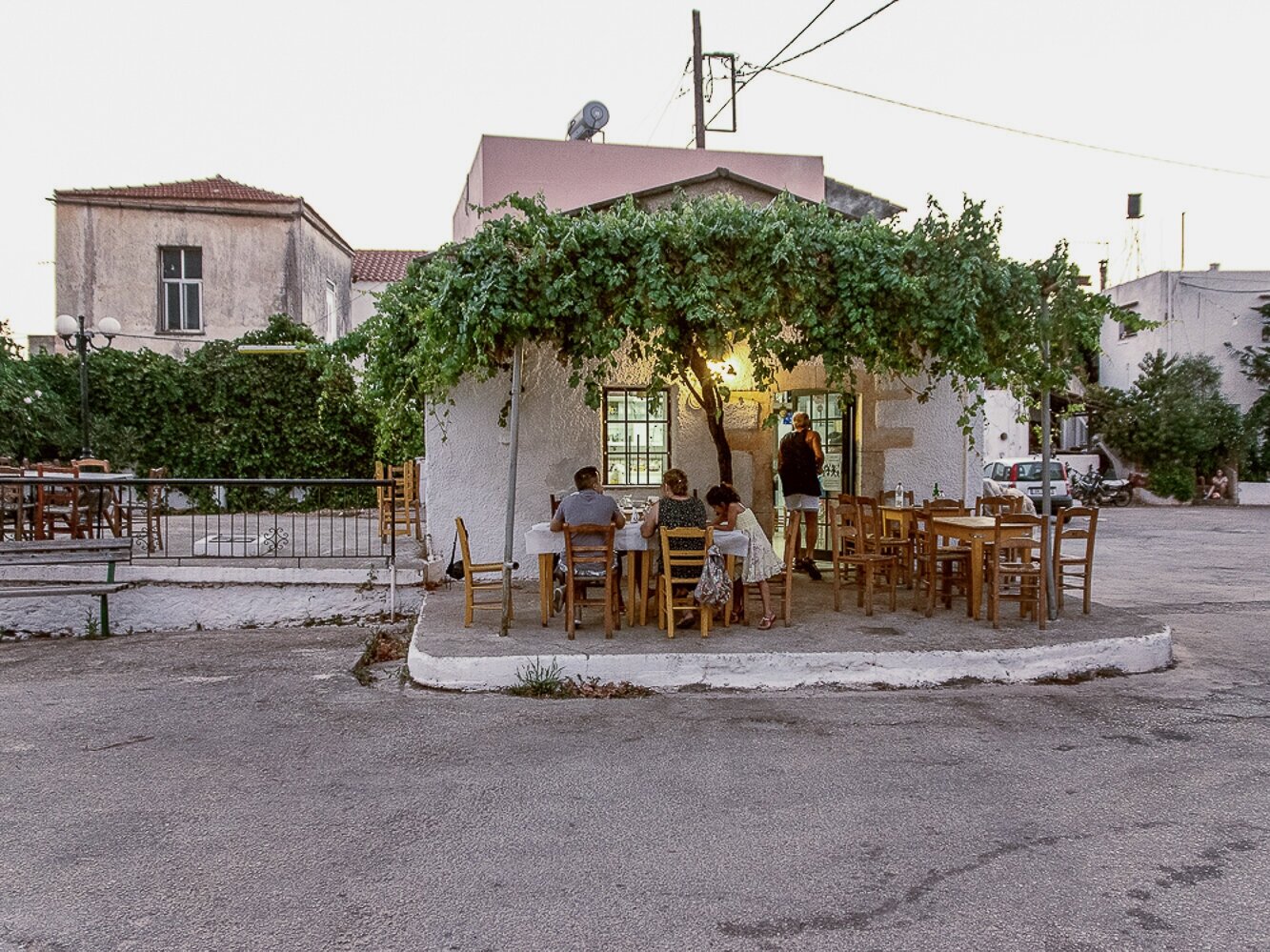
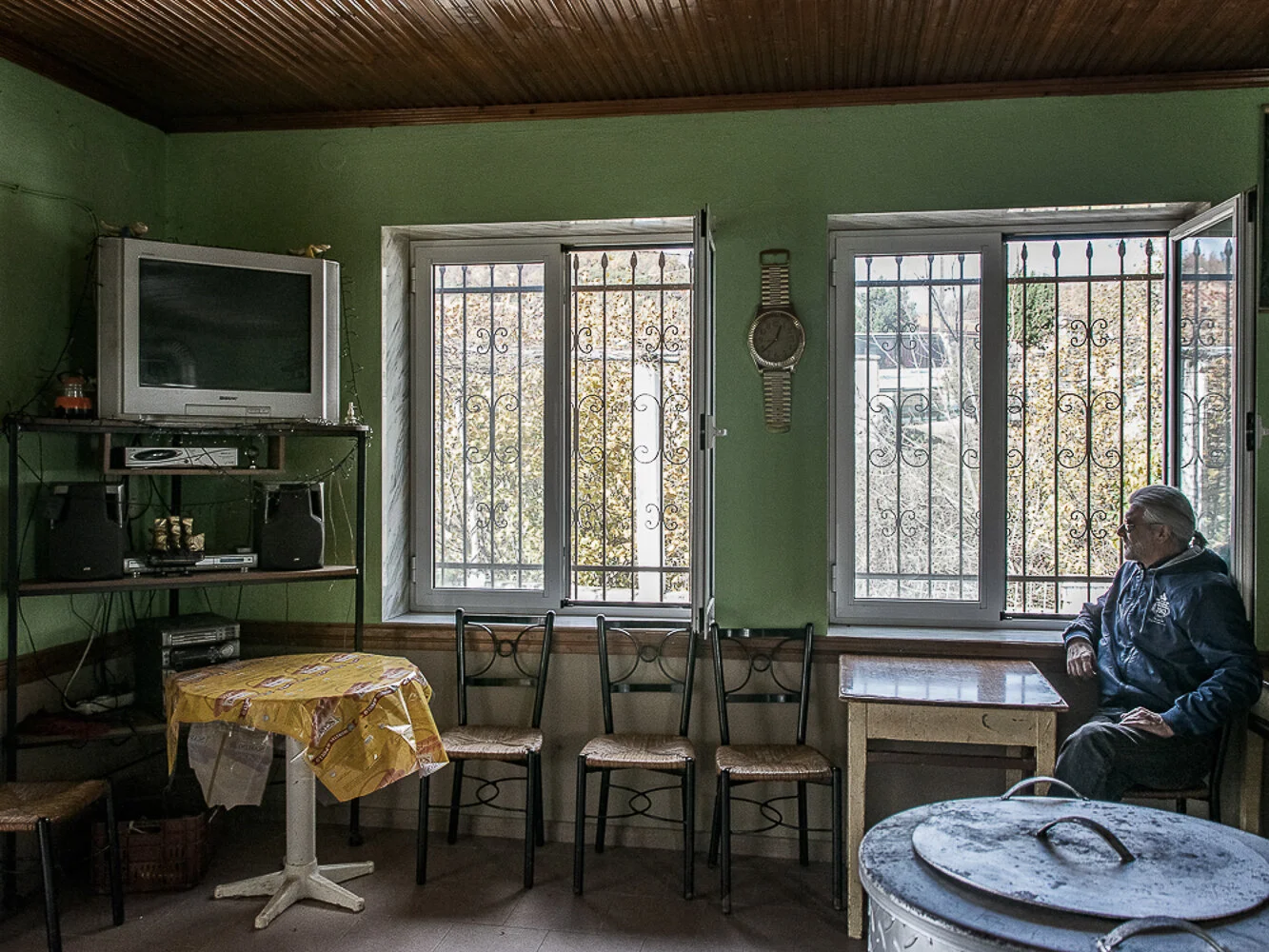
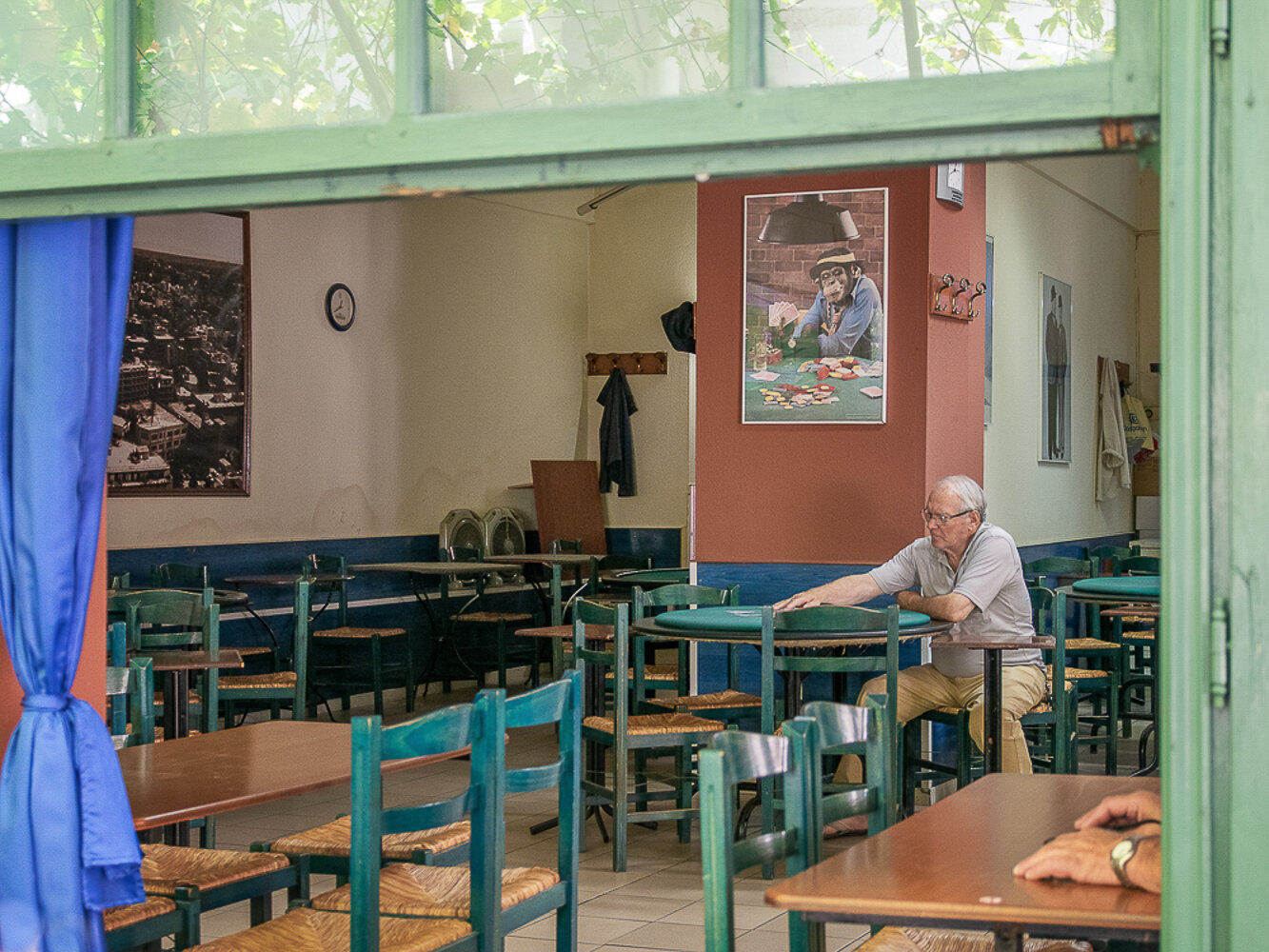
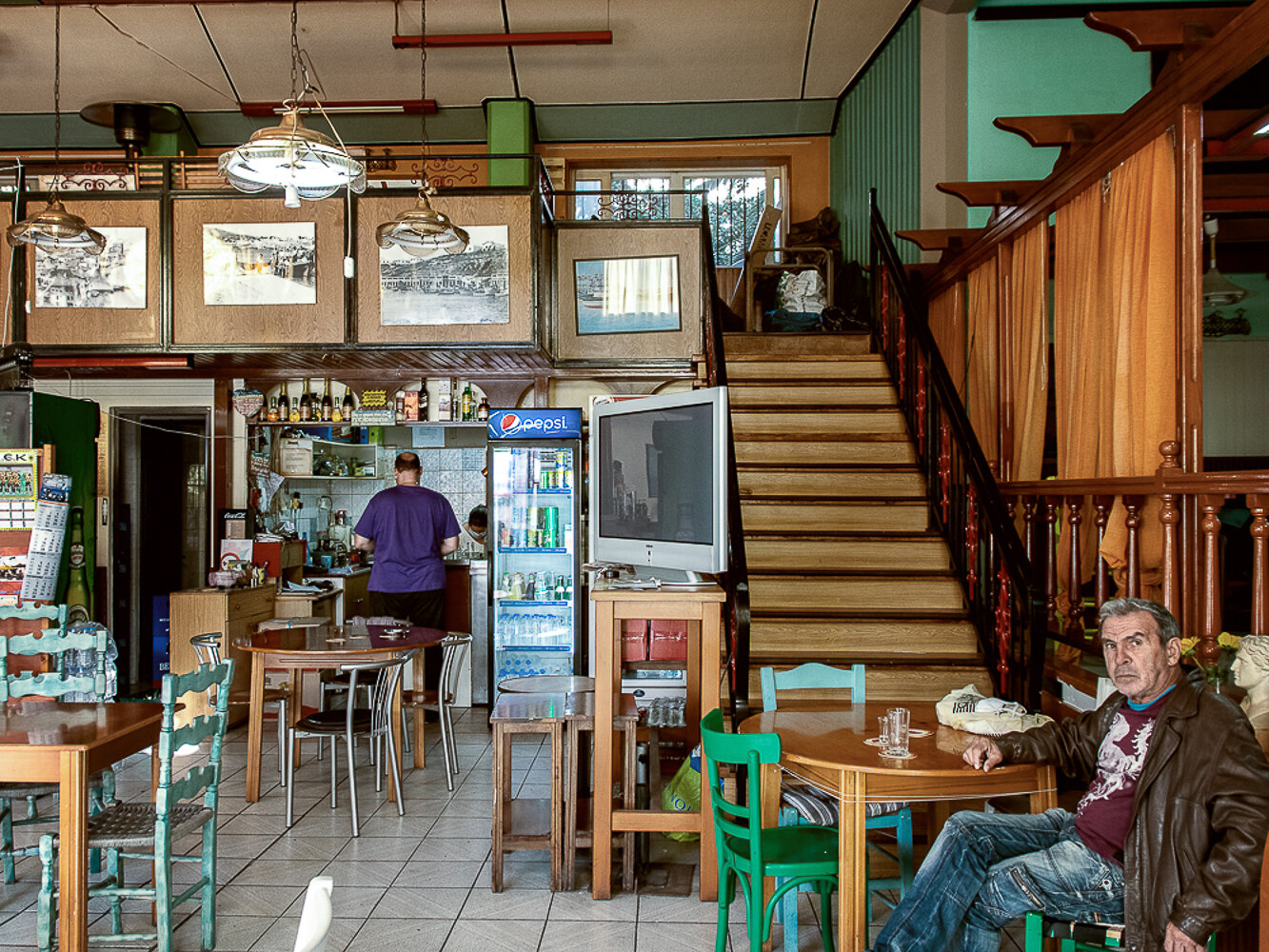
Chania summers in Vafe, at the house of aunt Katina and uncle Sifakis. Every evening, returning home from the cafe, uncle Sifakis, with his strongly emphasised wrinkles at the corners of his eyes brought the trophy. A Turkish delight! "Come Antonios, eat, I won it in backgammon"! He always won at backgammon, taking home the trophy which was always a Turkish delight.

9ag.jpg
3ag.jpg
4ag.jpg
5ag.jpg
7ag.jpg
10ag.jpg
11ag.jpg
15ag.jpg

Cafes and patisseries are meeting places for a coffee, a dessert, a meze and a raki. Places to inform the community, reminisce about the past, exchange positions and views, hangout and read the newspaper. In Greece cafe tradition still remains alive and necessary and resisting the ‘social networks’ of modern times. The faint coffee coming out of the embers, the smell of roasted chestnuts on the stove. Wandering around the Greek countryside and Athens where I live, I photograph what has an authenticity, is unadulterated and retains the unique atmosphere of a previous era.

16ag.jpg
18ag.jpg
19ag.jpg
20ag.jpg
22ag.jpg
23ag.jpg
24ag.jpg
27ag.jpg

Antonis Giakoumakis was born in Chania, Crete but now lives in Chalandri, Attica. He has been photographing since 2012 and has since participated in numerous group exhibitions and competitions. He is also an active member of the photography group PHOTOPIA. With his photography he aims to create stories, but is also interested in creating an atmosphere which may urge the viewer to create their own narratives.

www.antonisgiakoumakis.com

Guest Feature - Sari Soininen

Transcendent Country of the Mind is a project exploring my encounters with and perceptions of alternative dimensions of reality. In my early twenties, I experimented with LSD regularly and excessively, and eventually experienced an extended psychotic episode, which had serious consequences on my own life, but also profoundly changed the way I perceive the world and reality itself. During this time, I abandoned all my worldly possessions; I confronted the demons of Hell and was shown the wonders of Heaven; I travelled through time and space; I peeked behind the curtain of this dimension and - even today, having fully recovered - my understanding of reality has changed forever. These photographs represent this perspective and offer others similar glimpses behind the curtain. 

transcendent-country-of-the-mind-sari-soininen-01.jpg
transcendent-country-of-the-mind-sari-soininen-02.jpg
transcendent-country-of-the-mind-sari-soininen-03.jpg
transcendent-country-of-the-mind-sari-soininen-04.jpg
transcendent-country-of-the-mind-sari-soininen-05.jpg
transcendent-country-of-the-mind-sari-soininen-06.jpg
transcendent-country-of-the-mind-sari-soininen-07.jpg

This project is not strictly related to any specific physical space in the world - It is more an exploration to the mind's relationship to the world as an entity around us, which I think, is a very complex relationship, if we think about the mind-body problem for example. Also, referring to quantum mechanics, it seems that the way we see the world is fundamentally different to what the world actually is. So to me, the relationship between my mind and this physical space where I operate in, is a never-ending compelling mystery.

transcendent-country-of-the-mind-sari-soininen-08.jpg
transcendent-country-of-the-mind-sari-soininen-09.jpg
transcendent-country-of-the-mind-sari-soininen-10.jpg
transcendent-country-of-the-mind-sari-soininen-11.jpg
transcendent-country-of-the-mind-sari-soininen-12.jpg
transcendent-country-of-the-mind-sari-soininen-13.jpg
transcendent-country-of-the-mind-sari-soininen-15.jpg

Sari Soininen (b.1991) is a Finnish photographer based in Bristol, United Kingdom. Sari holds BA from Lahti Institute of Design, carried out exchange studies in Edinburgh College of Art and is currently studying MA Photography at UWE, Bristol. Her colourful otherworldly photography draws from philosophical thoughts and personal mystical experiences. 

www.sarisoininen.com

Paul Walsh - New Series

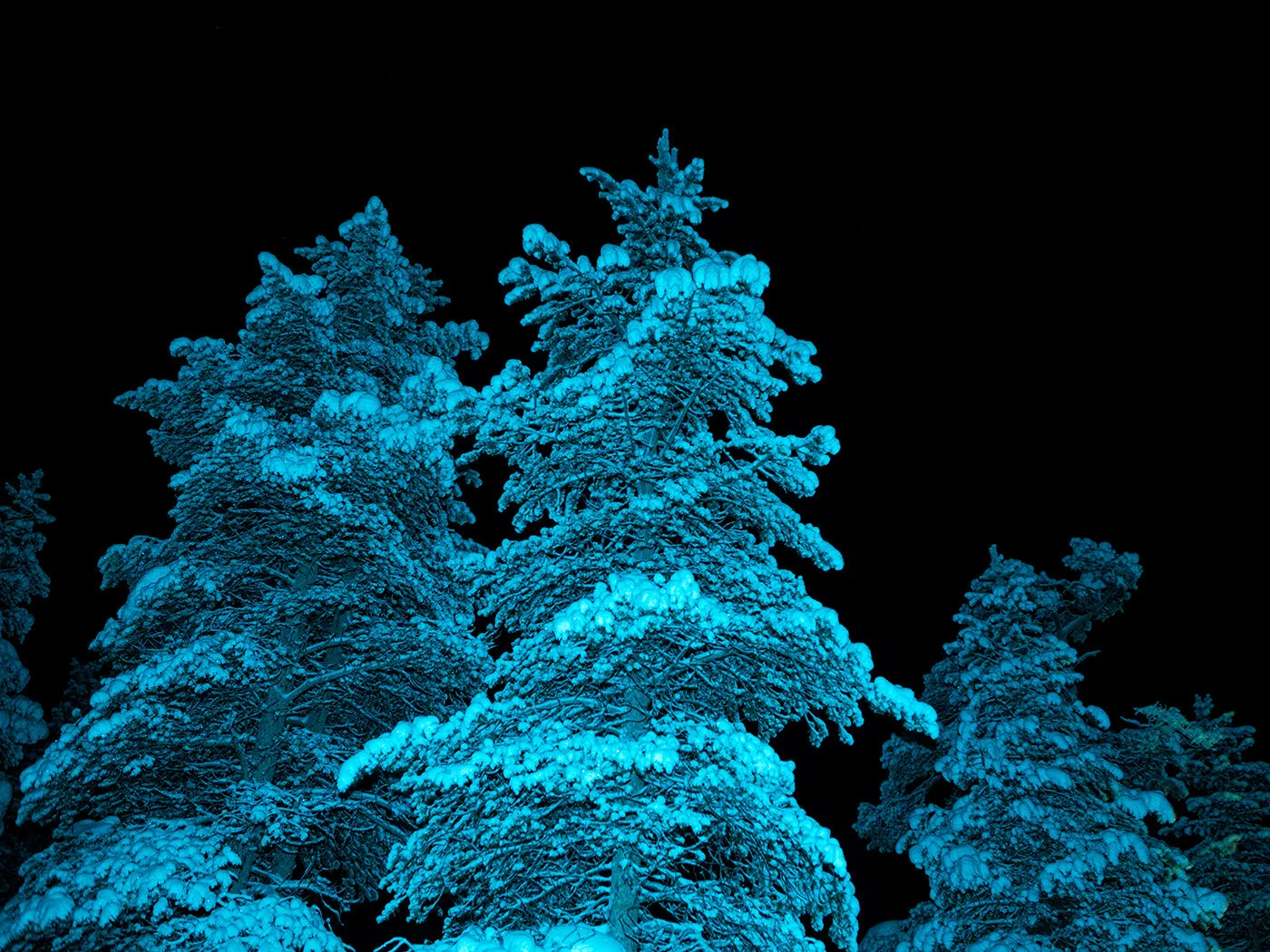
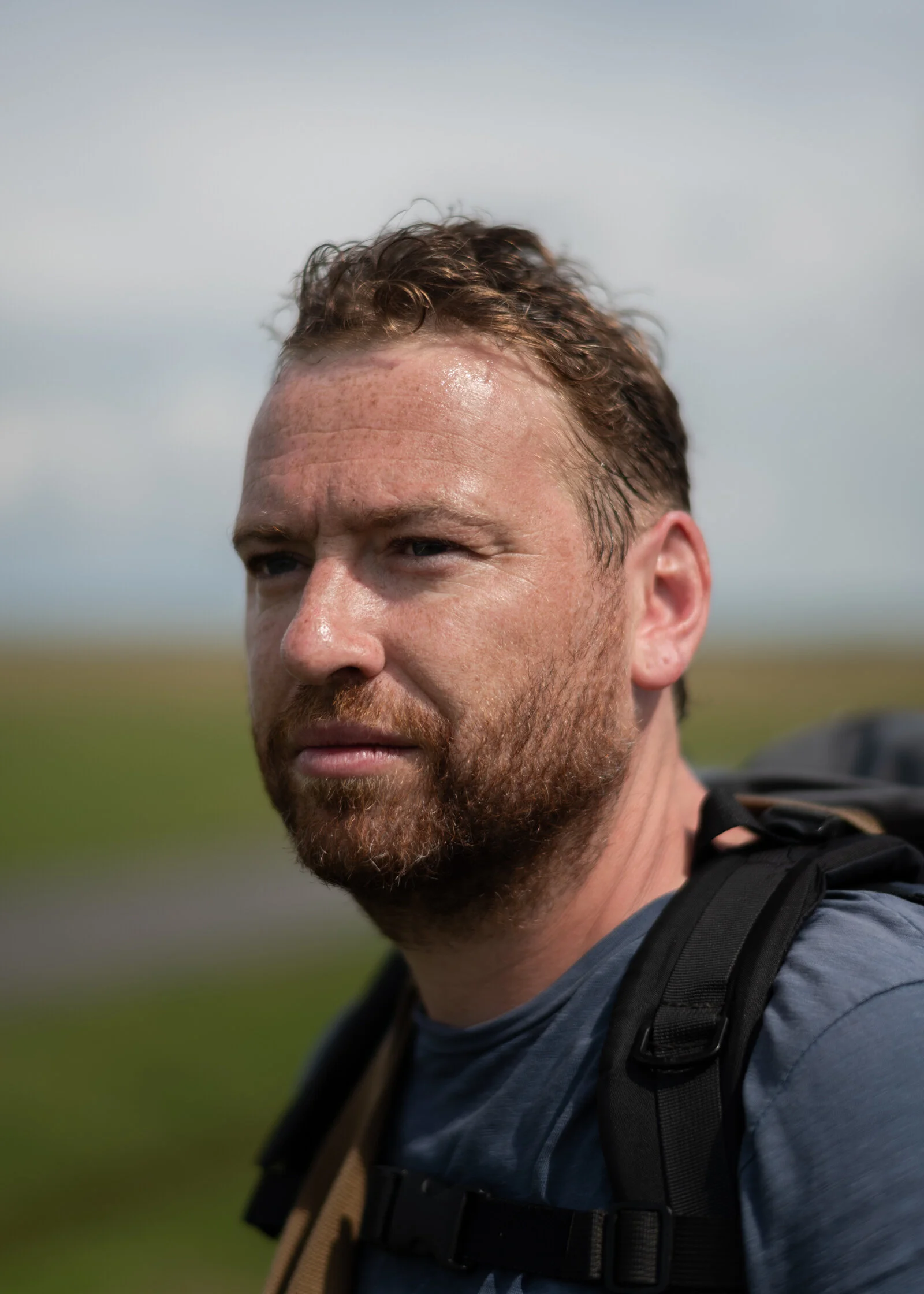
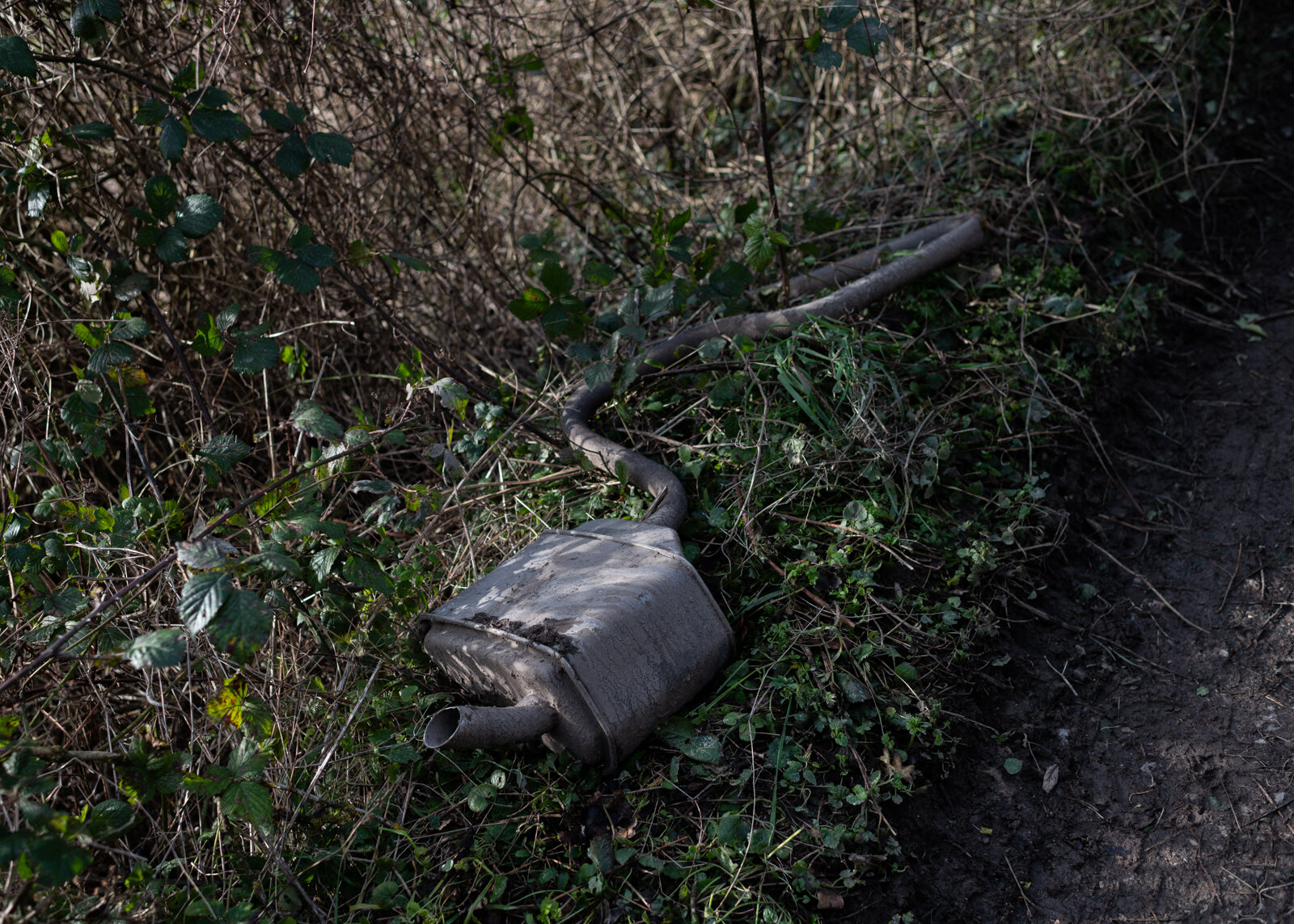
Following old drove roads, along borders and pilgrimage routes, by rivers and past historic landmarks, National Trails help to trace the history of walking in the UK and pass through some of the most important and challenging landscapes in England, Scotland, Wales and Northern Ireland. Over a period of three years I intend to walk ten long distance National Trails, in order to create a series about connecting with nature through walking.

Paul Walsh - Without Paths We Are Lost-2.jpg
Paul Walsh - Without Paths We Are Lost-1.jpg
Paul-Walsh-Without-Trails-1.jpg
Jonathan“There is something about nature, in someways it’s the only real thing in the world. Walking connects me with nature and that sense of the real. When I set out on a walk I enjoy the challenge and get satisfaction from making it to the end, n…

Jonathan

“There is something about nature, in someways it’s the only real thing in the world. Walking connects me with nature and that sense of the real. When I set out on a walk I enjoy the challenge and get satisfaction from making it to the end, not many things in life give you the same satisfaction. When I walk my mind quietens and falls in time with the rhythm of my feet and I am completely absorbed. I like walking with my wife, we can walk all day without speaking and come home feeling like we have shared something meaningful”.

Paul Walsh - Without Paths We Are Lost-6.jpg
Paul Walsh - Without Paths We Are Lost-4.jpg
Paul Walsh - Without Paths We Are Lost-3.jpg
Samuel“I went through a period of inactivity and started to go for walks to escape the house. I remember walking through the woods and realising how much clearer I could think. I began to realise the mental health benefits of walking and its now bec…

Samuel

“I went through a period of inactivity and started to go for walks to escape the house. I remember walking through the woods and realising how much clearer I could think. I began to realise the mental health benefits of walking and its now become fundamental to my happiness. I try to avoid driving as I feel that in some ways cars contribute to people’s unhappiness. Their presence has completely changed the landscape, promotes isolation and has contributed to the destruction of community. If you walk you keep fit and it gives you the opportunity to interact with people.”

Paul Walsh - Without Paths We Are Lost-8.jpg
Paul Walsh - Without Paths We Are Lost-5.jpg
Paul Walsh - Without Paths We Are Lost-13.jpg
Rebeca“Walking is such an existential activity that makes me feel alive in the world away from my desk and computer. It feels purposeful, like I am going somewhere. If I am anxious or have something on my mind then I can go walking, think it through…

Rebeca

“Walking is such an existential activity that makes me feel alive in the world away from my desk and computer. It feels purposeful, like I am going somewhere. If I am anxious or have something on my mind then I can go walking, think it through and feel like I am leaving it behind. I know that between when I start walking and when I finish some kind of change will have taken place within me, which is always reassuring.”

Paul Walsh - Without Paths We Are Lost-7.jpg
Paul Walsh-Withoiut Trails We Are Lost-16.jpg
Paul Walsh - Without Paths We Are Lost-17.jpg

The series Without Trails we are Lost began from a necessity to spend some time walking to gain some personal perspective. The more I walked the more I reflected on escapism through nature and I began making photographs in an attempt to connect with my surroundings. I started the project on local day walks, but I became more ambitious with distances and began to walk long distance trails with my tent. Walking with a tent allows me to walk at my own pace, knowing that I can stop longer in an area if I feel there is potential to make photographs. I am also less dependent on a car and can undertake longer distances allowing me to immerse myself further in the walk. As part of the project I am also interested in finding out why others walk and have been making portraits of people, ranging from weekend ramblers to those that have a professional relationship with walking. The featured photographs were made during my first walk along the North Downs Way, a 132 mile trail from Farnham, located to the southwest of London, to Dover on the southeast coast.

Guest Feature - Benjamin Hay

The Isle of Sheppey sits off the North Kent Coast, connected to the mainland by a single dual carriageway. Like many traditional seaside destinations the introduction of cheap European flights has had a dramatic effect on the once popular holiday destination, with Sheppey now having one of the highest poverty levels in the United Kingdom.

Benjamin_Hay_Sheppey-1.jpg
Benjamin_Hay_Sheppey-2.jpg
Benjamin_Hay_Sheppey-3.jpg
Benjamin_Hay_Sheppey-4.jpg
Benjamin_Hay_Sheppey-5.jpg
Benjamin_Hay_Sheppey-6.jpg
Benjamin_Hay_Sheppey-8.jpg

The island itself suffers from drastic coastal erosion, particularly on the North coast with up to 1.2 metres lost in landslides and cliff falls every year. The government has deemed any intervention to be both too costly and not in the public interest, much to the dismay of residence who’s properties have either already either been lost to the sea or sit precariously close to the cliff edge and are projected to be lost in the near future. 

Benjamin_Hay_Sheppey-9.jpg
Benjamin_Hay_Sheppey-10.jpg
Benjamin_Hay_Sheppey-11.jpg
Benjamin_Hay_Sheppey-12.jpg
Benjamin_Hay_Sheppey-13.jpg
Benjamin_Hay_Sheppey-14.jpg
Benjamin_Hay_Sheppey-15.jpg

Benjamin Hay is a Kent based photographer and lens based practitioner who’s work primarily examines the relationship between people, place and the built environment. 

benjaminhay.co.uk

Guest Feature - Mark Massey

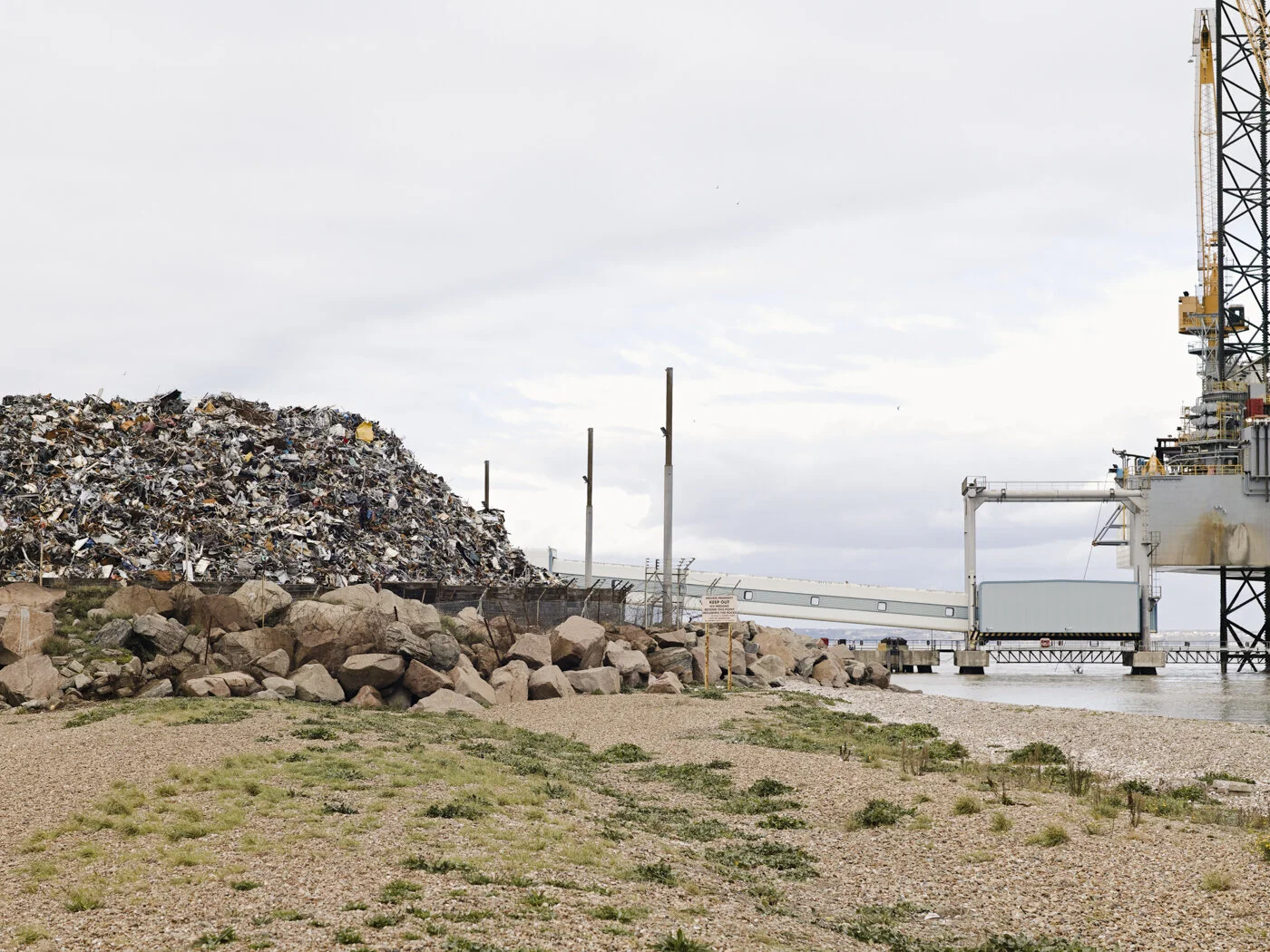
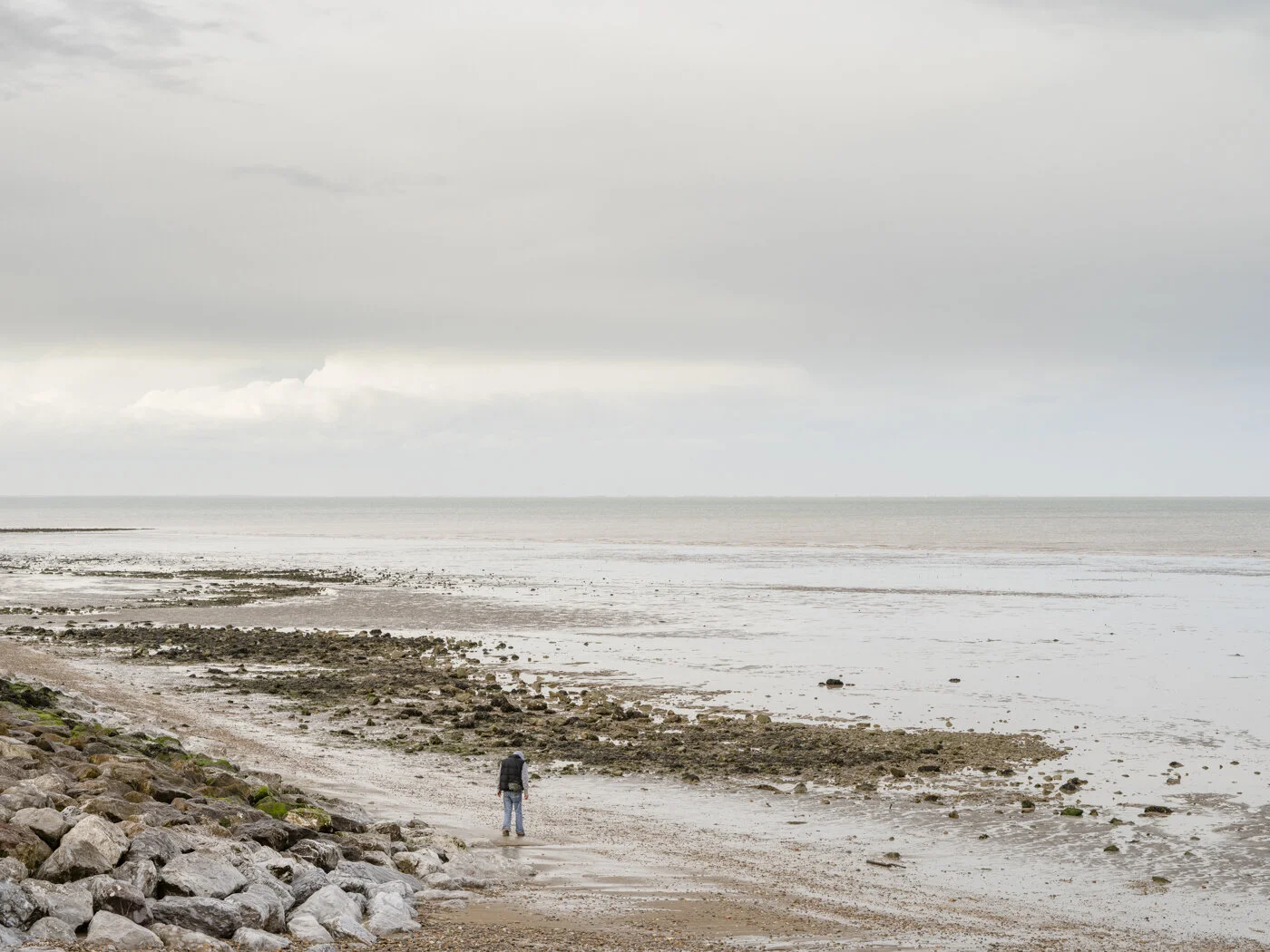
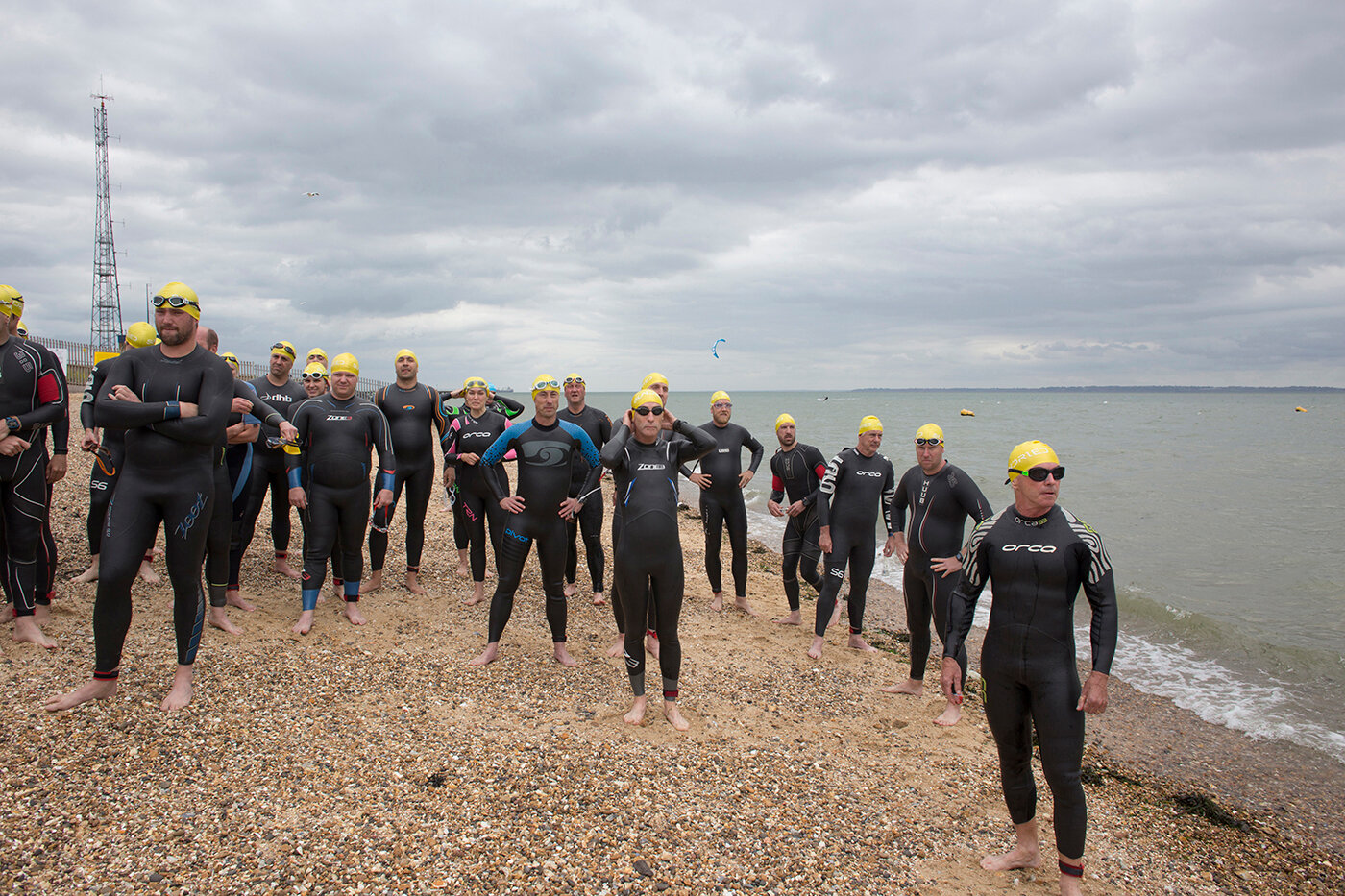
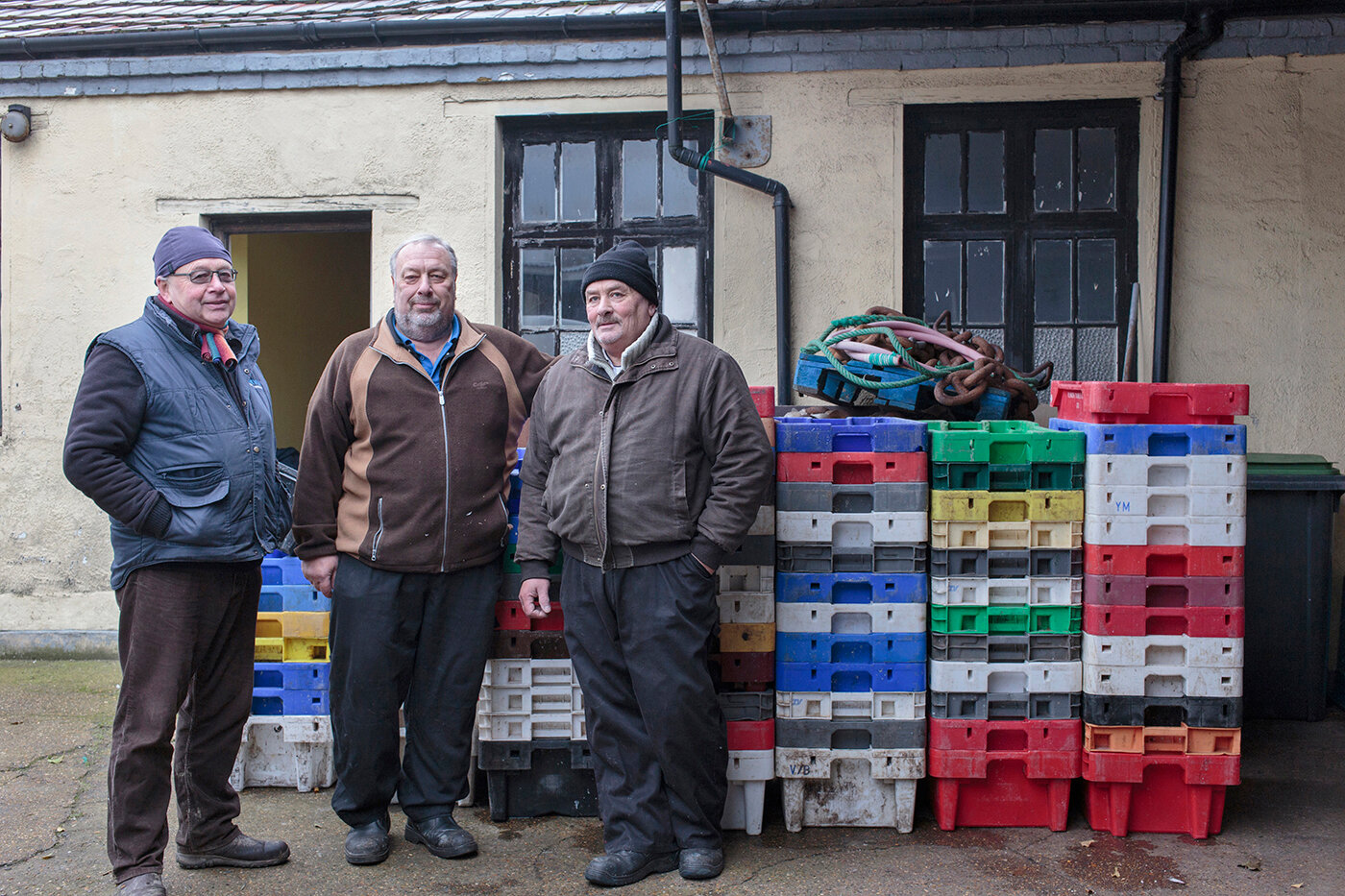
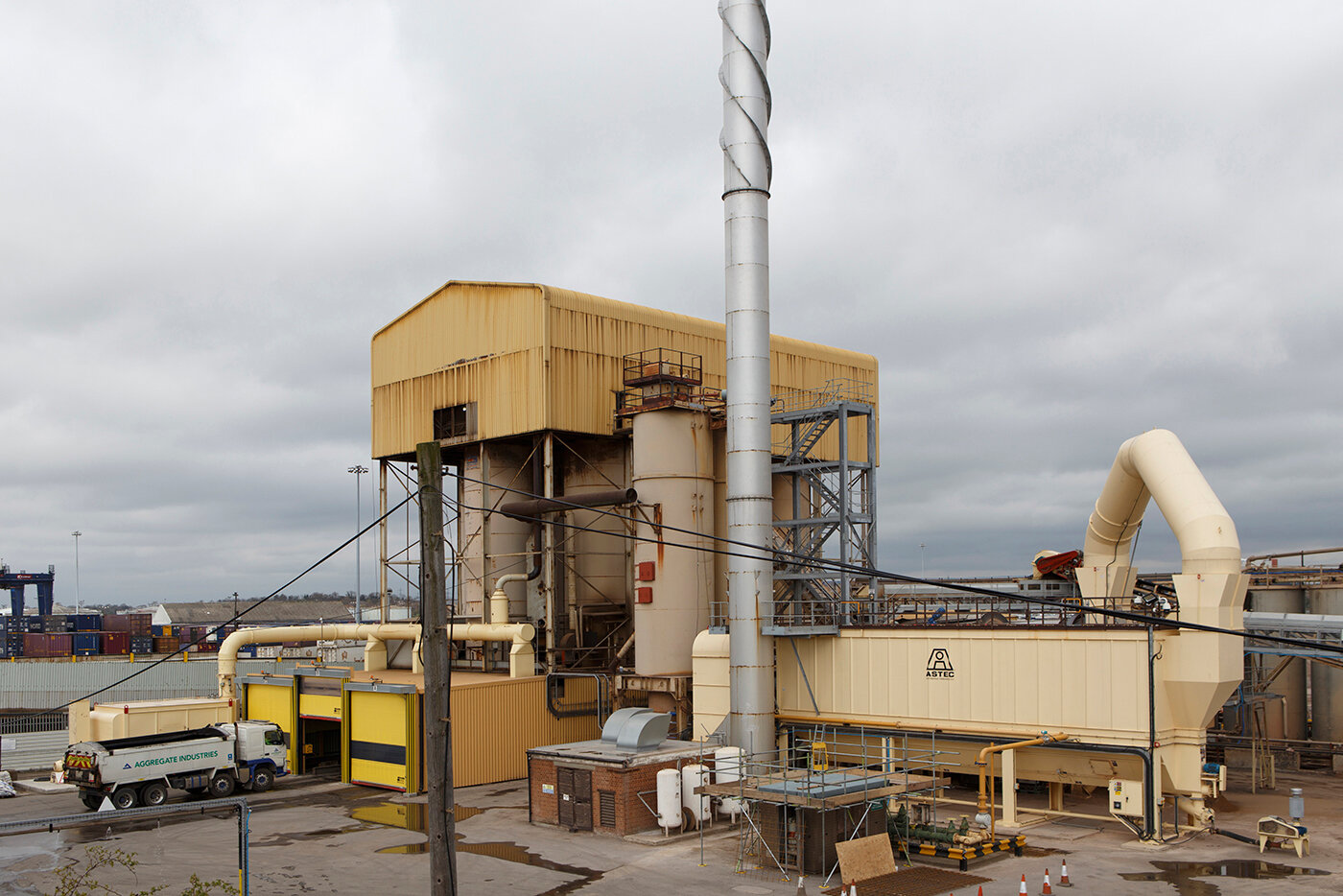
Essex Chronicles is my exploration of the northern coastline of the Thames estuary, focusing on our interaction with the everyday places that occupy the land alongside it. It's an area I know well and I wanted to document the very varied mix of industry, leisure and human habitation which seem to sit side-by-side all along the coast (along with lots of nature and wildlife). Together they contribute to the identity of the entire area.

MarkMassey_01.jpg
MarkMassey_02.jpg
MarkMassey_03.jpg
MarkMassey_04.jpg
MarkMassey_05.jpg
MarkMassey_06.jpg
MarkMassey_07.jpg
MarkMassey_08.jpg

The mouth of the Thames, in the south eastern corner of the UK, is one of the country’s largest inlets and a major shipping route in and out of London. It's also the home of ‘Estuary English’ accents and lazy stereotypes, but it has always been a source of inspiration to artists and writers.

MarkMassey_09.jpg
MarkMassey_10.jpg
MarkMassey_13.jpg
MarkMassey_12.jpg
MarkMassey_14.jpg
MarkMassey_15.jpg
MarkMassey_16.jpg
MarkMassey_17.jpg

Mark Massey is mostly self-taught, focusing on documentary and portraiture photography. He studied graphic design at college, worked in London as a magazine designer for 20 years, and is now a freelance graphic designer / photographer based from his home county of Essex. His community is important to him, so local issues have formed the focus of several of his personal projects. 

markmassey.co.uk

Guest Feature - Mateusz Kowalik

Once tuberculosis was referred to as a dry-air disease or simply the romantic disease that afflicted the greatest artistic souls. Today, nothing dries the skin like air conditioning in an office in a high-rise building scraping the sky, or the confined spaces of a shopping mall, populated with colourful dreams, or a brand new car on a never-ending road to work. So, are we talking about searching for a remedy and a therapy, or maybe trying to break free from the death of the soul, which decays progressively, like the lungs of a consumptive? Is the unique climate of Góry Suche (pol. Dry Mountains) a destination itself or is it only a stop on the way to somewhere else, a more distant port of call?

1.jpg
2.jpg
3.jpg
4.jpg
5.jpg
6.jpg
7.jpg
8.jpg

There’s the clean, fresh air of the local micro-climate. The sound of crickets keep the starry sky company. Herbs from the backyard garden drying over the fireplace. And those endless repairs of the local road that keep getting destroyed by sudden downpours. Lifelong friendships with kindred spirits and even stronger dramas. A lack of peers in the neighbourhood for a growing-up son, and an even more acute lack of work that reflects in real changes in the bank account. Even if you take a gulp of air, you still might end up panting for breath. 

11.jpg
10.jpg
13.jpg
12.jpg
15.jpg
16.jpg
17.jpg
18.jpg

Mateusz Kowalik is a documentary photographer from Poland. He focuses on long-term projects and his work is often rooted in his own experience, exploring issues of contemporary society. He has shown his work at four individual exhibitions in Poland and Slovakia, and graduated from the Sputnik Photos Mentoring Program. In 2018 he began studying at the University of Opava at the Institute of Creative Photography. All images are from his project Still Far Away From Paradise. Project text: Beata Bartecka.

mateuszkowalik.com

Guest Feature - Robert Herrmann

Once a French colonial town and known as the pearl of Southeast Asia, now the biggest city in Vietnam and the country's financial centre, Saigon aka Ho Chi Minh City has been transforming into a megalopolis - and with its population already beyond 10 million it is growing fast. Until now the old cityscape has already been altered by a number of skyscrapers. But what is to be expected, when a metropolis is changing fast and profoundly like this? Ten years ago I visited Saigon for the first time. Small stores and street kitchens edged the streets emitting smoke and steam and exotic food smells. Yet, even back then high rise buildings were starting to be erected along the main roads. Since then I have been visiting Saigon documenting its transformation.

RH01016494.jpg
RH01016572.jpg
RH01029649.jpg
RH01029785.jpg
RH01032163.jpg

The people's traditional way of life, worshiping the bonds of the family, is making way for individual aspirations after wealth and consumption. Everywhere street kitchens are being torn down in order to erect modern high rises where banks and companies are doing their business amidst a growing middle class. Saigon is densifiying. At the same time many inhabitants are forced to move to the city's fringes where real estate prices are lower. New quarters are rapidly and organically growing there, often loosely regulated by the city authorities. Increasing traffic is requiring fast solutions, often at the cost of tearing down old structures. But are the generic high rises that follow nothing but the pulse of commercial investment really the best building practice for a unique city like this?

RH01032517.jpg
RH01032621.jpg
RH01032864.jpg
RH01032091.jpg
RH01016804.jpg

Robert Herrmann is an architectural photographer based out of Berlin, Germany. Trained as an architect Robert evolved into working as a photographer and visual artist. Balancing architectural comprehension with aesthetic interpretation he creates architectural and documentary images for numerous clients across the building industry.

robertherrmann.com

Aaron Yeandle Joins MAP6!

We are absolutley delighted to announce that photographer Aaron Yeandle has joined the MAP6 collective!. Below is a brief interview where he discuses his photograhic practice, his influences and his latest projects.

9.jpg

Can you share with us your journey in photography – from your early inspirations and education to your current practice?

I first started photography when I studied an evening City and Guilds course. From that moment I wanted and needed to be a photographer. The following year, I left my full-time employment and began my journey into the world of photography. In this early stage of education my first inspirations were Richard Billingham, Martin Parr, Paul Reas, Nick Waplington and Rineke Dijkstra. These photographers revealed to me how the everyday world around us is so fascinating and how our society can be documented through photography. I was hooked on learning and began a BA (Hons) in photography. Throughout this period my work developed, and I became interested in other aspects of art and photography. In my second year I transferred to a BA in fine art. This was a period where I really learnt how to contextualise projects and ideas. Deep down, however, I wanted a photography degree rather than a fine art degree, and transferred back to photography for my final year.

18.jpg

During this time I was inspired by paintings, painters and different art movements such as the Romanticism, Realism and the New American colour movement. These influences helped to open my mind, understand lighting, and discern how photography plays an important part in sociology, politics, anthropology and history. Soon after, I began an MA in fine art where I learned how to write about my practice, and the different possibilities of exhibiting work such as installations and displaying and mounting artwork to suit the environment. I also lectured at the local college and university and spent another year studying for a PGCE, which allowed me to lecture in further and higher education. For the next few years I spent my time travelling, and ended up working as the senior technician in photography and media at a university.

15.jpg

With my practice I have become interested in how realism, romanticism and the imagination can be juxtaposed to create a narrative which tells a compelling visual story. For the past few years I have been exhibiting and working on numerous projects focusing on the unseen world of Guernsey’s communities, delving into social and historical aspects of the island. I have exhibited nationally and internationally, and my work has been seen in several international photographic festivals. I have also completed a number of international artist-in-residencies. Alongside my practice I provide educational workshops and present talks on my work. 

What motivates and drives your photographic practice?

When I first discovered photography I had a deep need to somehow express myself creatively. Photography gave me something tangible to hold onto and provided me with some kind of inner peace. There is so much to capture, so many fascinating people and places to meet and photograph, and this is what drives and motivates me through my practice. Photography somehow allows me to put the world in order, which makes me feel calm amidst the chaos. It also allows me to provide a historical and social view of the world for the future. 

13.jpg

Tell us a little about your major project Voice-Vouaïe and your recent exhibition in Guernsey.

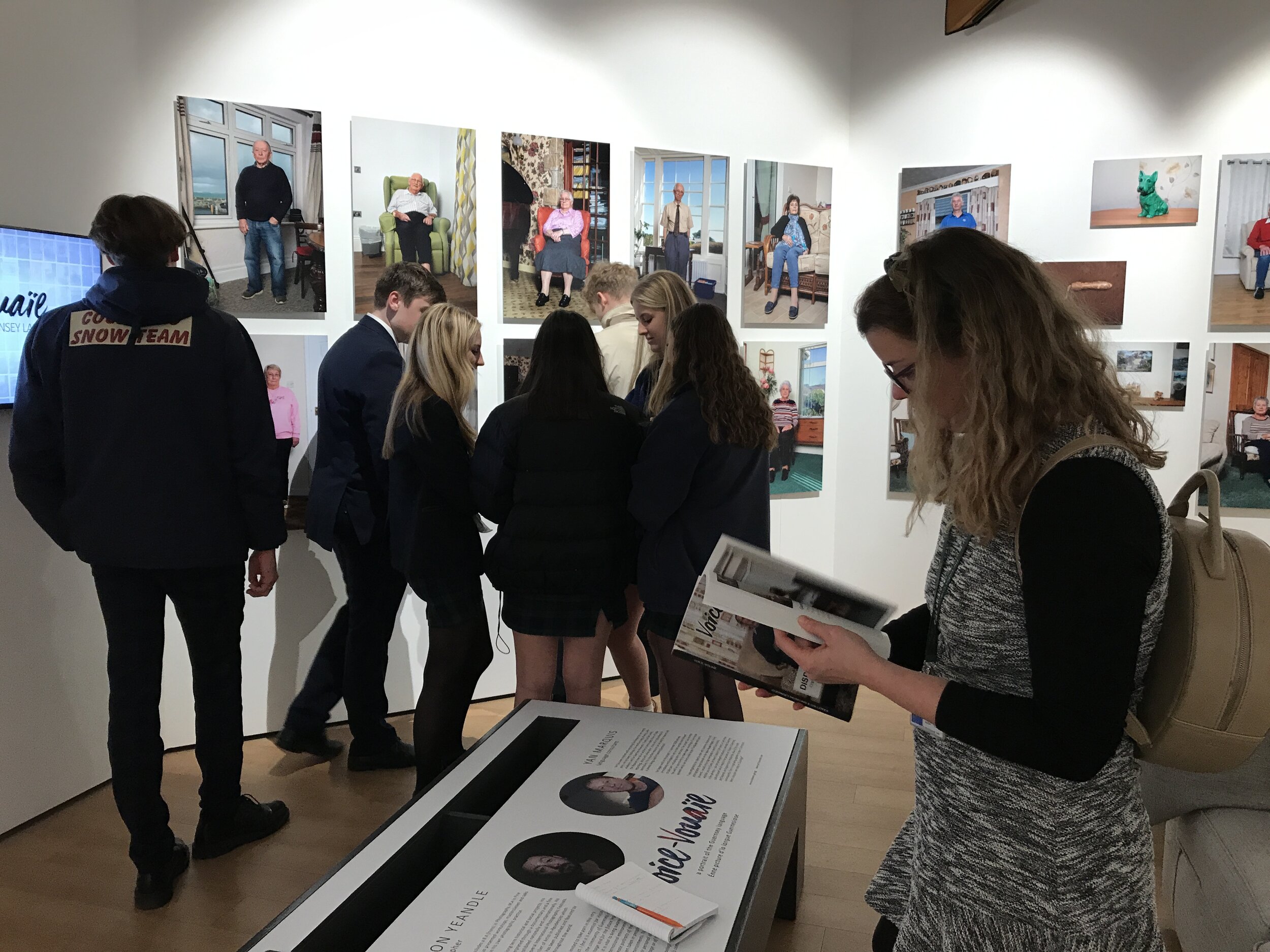
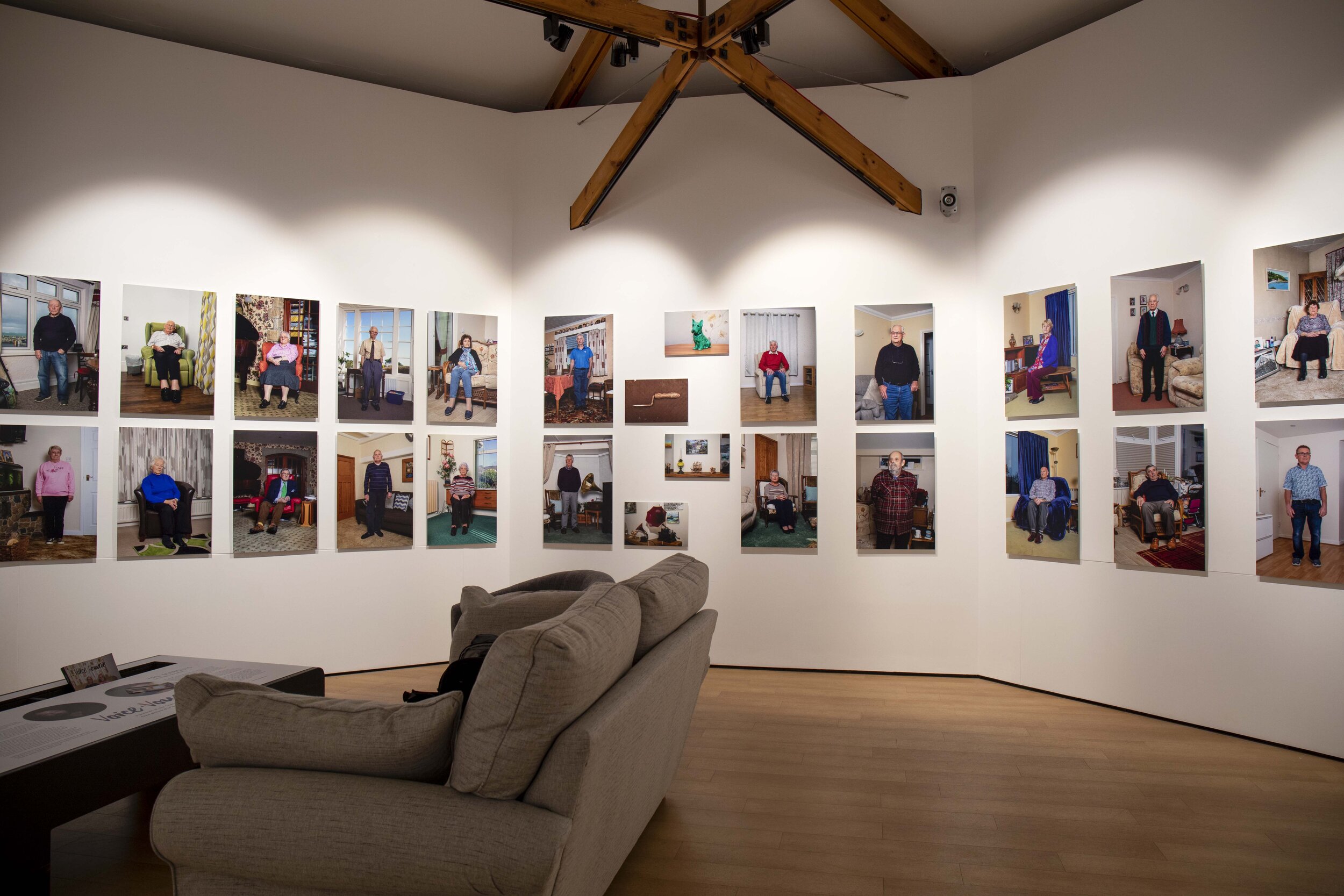
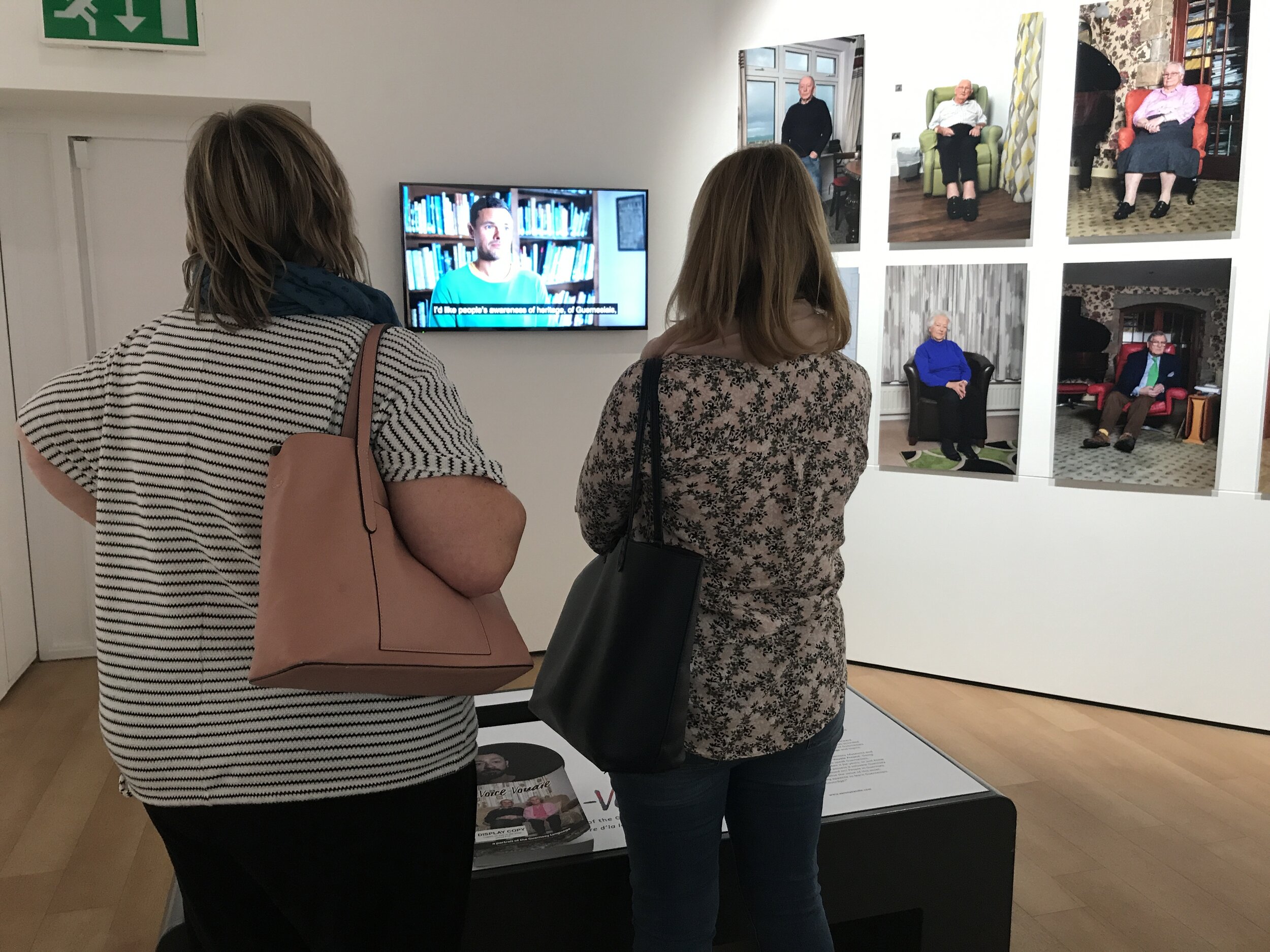
For the last three years I have been working on a large-scale social and historical project on the island of Guernsey. The title of the project is Voice-Vouaïe. The aim of the project is to bring awareness and create a visual and audio archival record of Guernésiais, an ancient language of Guernsey with a long and distinctive history which derived from the Normans. Today, the number of original native speakers in Guernsey is in fast decline, and it is estimated that in 2021 there are possibly fewer than 150 fluent speakers, mainly aged over 80. In World War 2, Guernsey was occupied by the Germans for five years. Most of the children on Guernsey were evacuated to England, which is one of the main reasons why the language began to die out. The majority of people who took part in this historical project were not evacuated in WW2, and spent their childhood under the Nazi occupation. I felt the need to capture this critical and changing situation as an important part of Guernsey’s social heritage and for the future legacy of the Island. I feel that in documenting this social issue for the international community I have captured a part of social history, which can be so fleeting.

9a.jpg
3a.jpg
8a.jpg
17.jpg

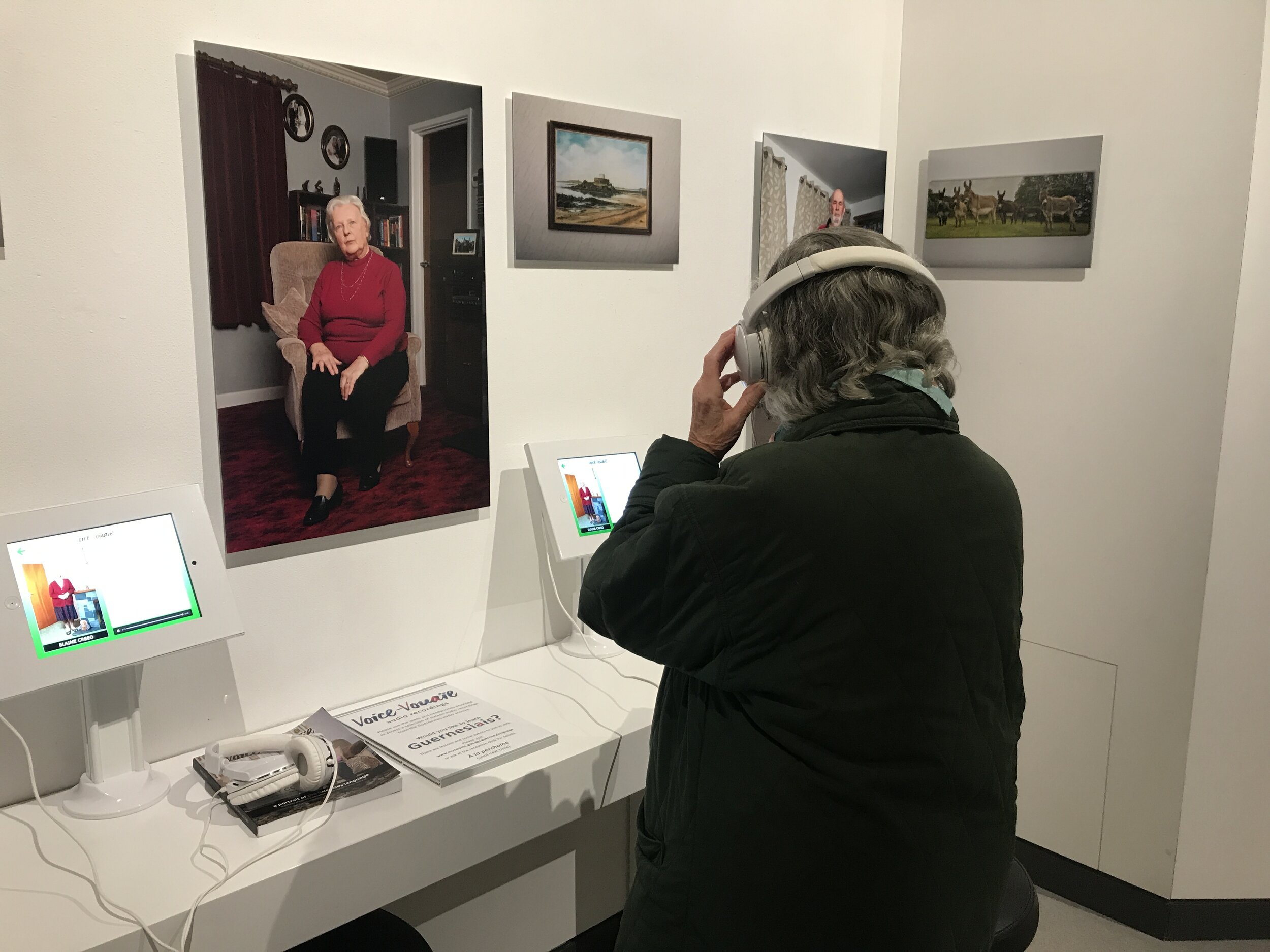
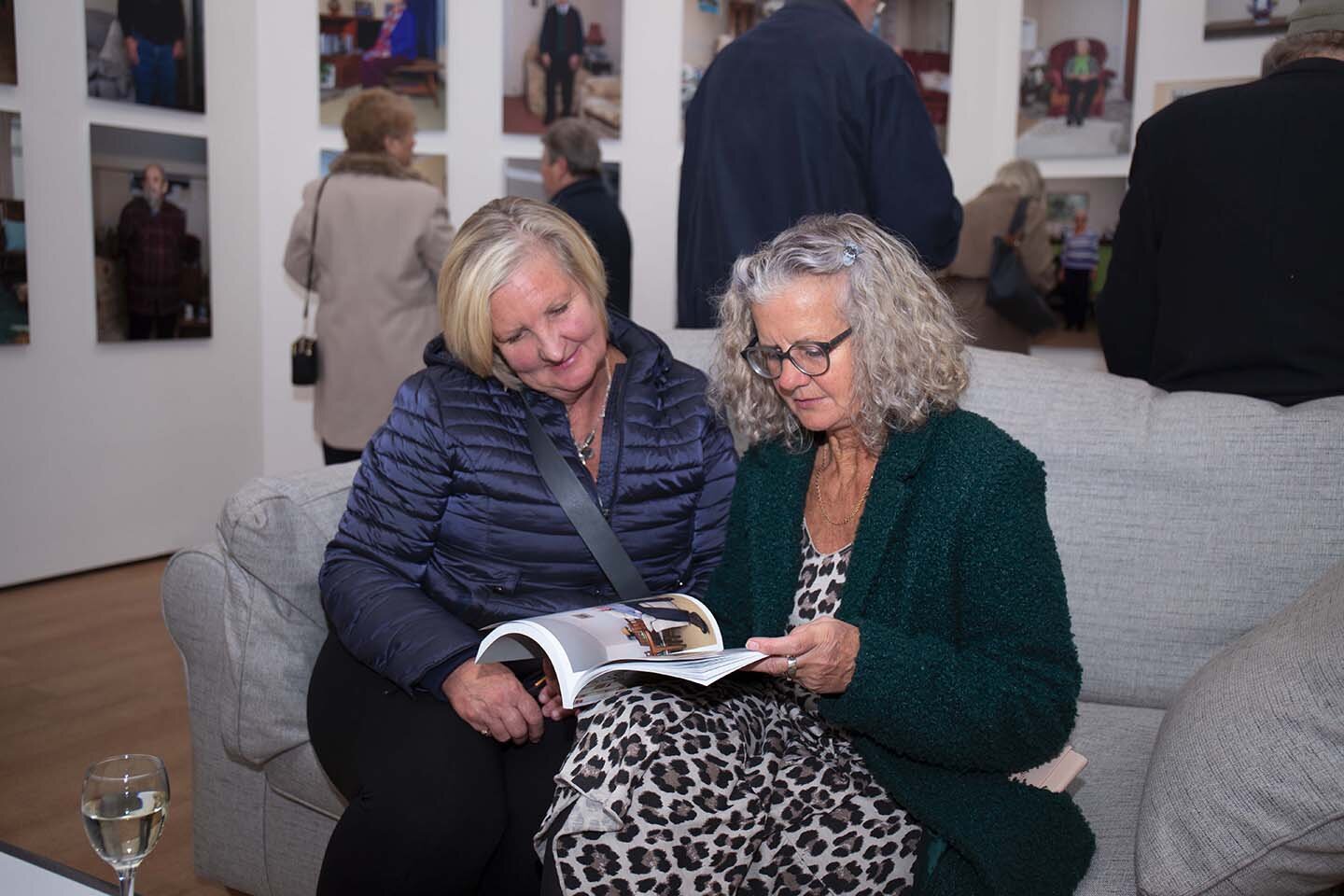
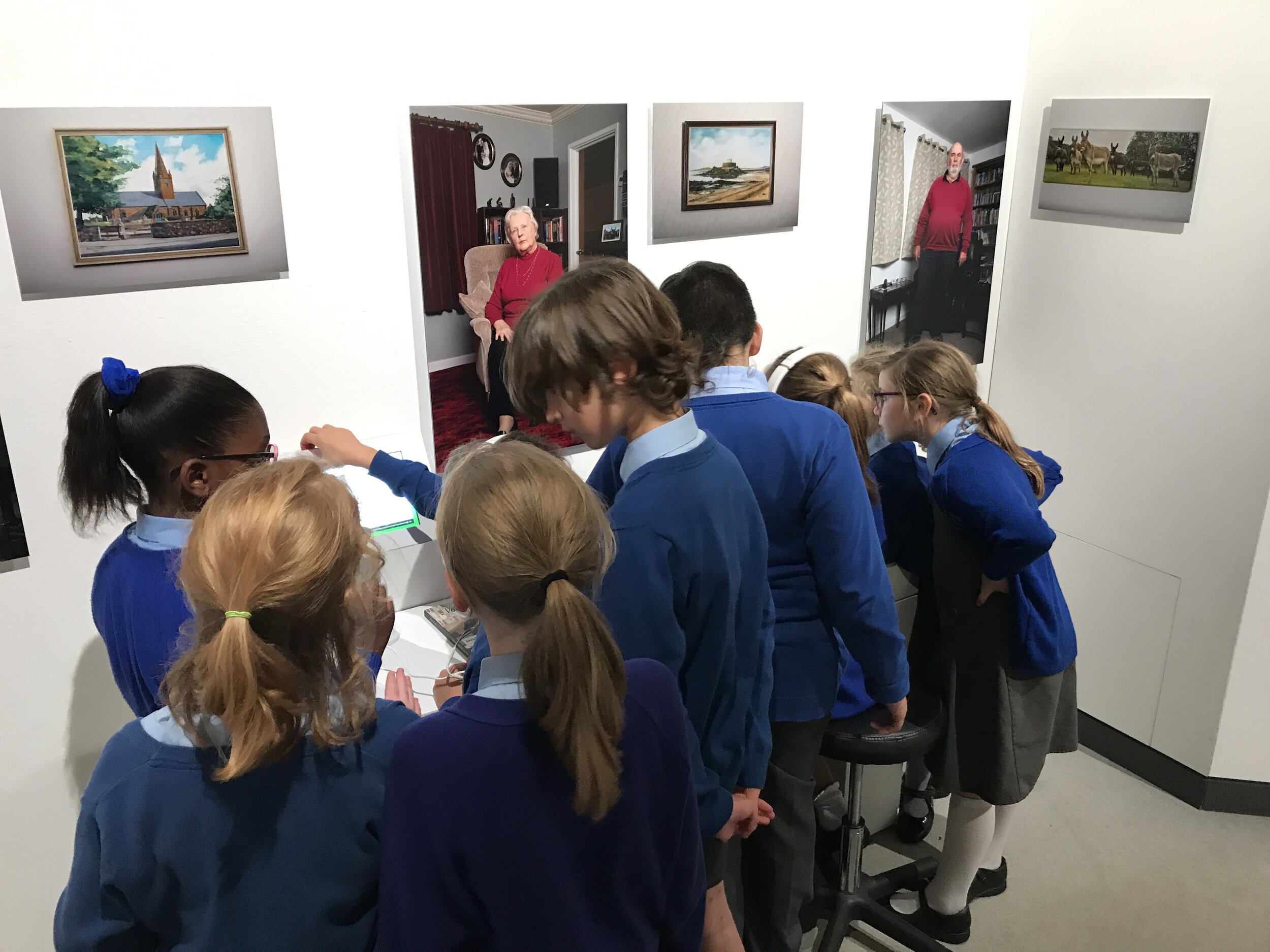
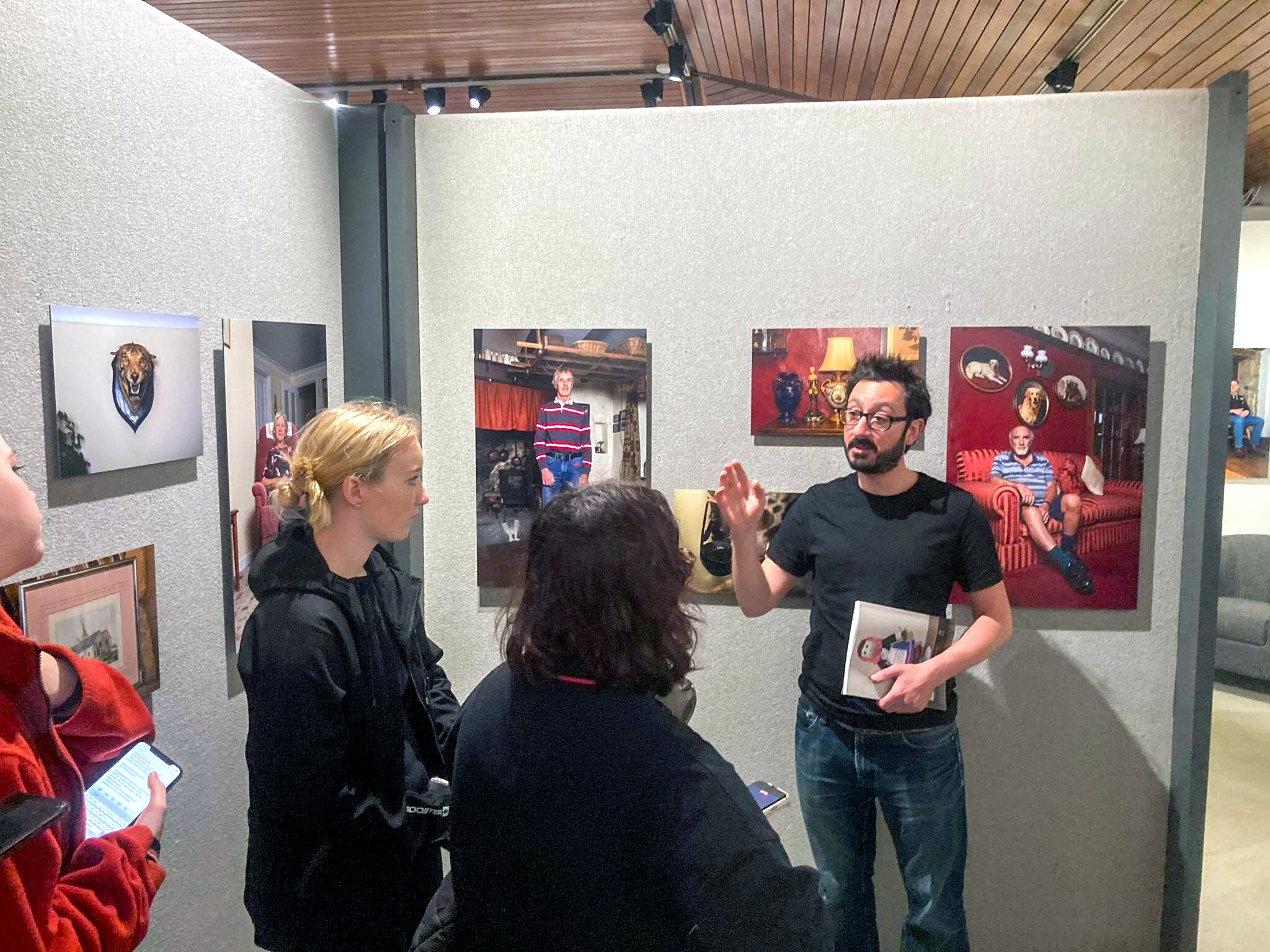
At the end of 2020 I showed Voice-Vouaïe in the Guernsey museum, with almost 200 images in this large-scale exhibition. To complement the photographs there was an opportunity to interact and listen to sound recordings of every person who took part in this historical project. In the gallery there was also a short film which featured the key people who made the project possible. There was also a complementary book published to go alongside the exhibition, which also acted as a guide and a gift for family members. We ran visits for different private and public organisations, as well as educational tours to primary, secondary and sixth form schools and educational talks at various events. Internationally the exhibition has created interest in Guernsey and the plight of the Guernésiais language. The next phase of the Voice-Vouaïe exhibition is now to take it on tour, to other countries that have their own endangered languages. 

If you could work collaboratively with one photographer – living or dead – who would it be and why?

This is a hard question, but in the end I choose August Sander, who was a German photographer. He lived in a remarkable social and political time, where from the 1920s onwards Germany went through a great upheaval, changing from being a free and forward-thinking society to the radical constrictions of the mid-1930s. I feel that Sander was one of the first photographers who created what we now know as the ‘artist project’. He was also part of a collective called the Cologne progressives. Sander had a clear idea that he wanted to create a visual diary of everyday people and place. He would go outside the studio and take people to their everyday places or photograph them in their homes and in their own private surroundings. At this time this was unusual, as most portraits would’ve been taken in the studio. He was able to capture his subjects in an objective and non-judgmental way, and record time for the future of social history. Sanders’ work helped to confirm photography as a true art medium, and in some ways he was the first contemporary photographer of the 20th century. 

19.jpg

What do you anticipate as being the advantages of working as part of a photography collective?

There are so many benefits of working in a collective. There is an opportunity to share experiences, knowledge, expertise and learn new skills from one other. There are also significant advantages working on a collaborative project, such as exhibiting together, providing and receiving feedback from peers, and facilitating each other’s growth as photographers. Furthermore, one of the great advantages is creating new contacts, which can develop into a community of artists and friends who are all striving for an outstanding photographic result.

2.jpg

What excites you about the future of photography?

Photography has been used for so many different reasons and has gone through many changes, compared with other art mediums. In recent years I have found that there seems to be a kind of renaissance back to analogue photography by the younger generation. Recently, I gave a two-day workshop on pinhole photography where the students were mainly young teenagers. We made cameras out of shoeboxes and made paper negatives, before developing the negs into positives using traditional darkroom chemicals. The younger students were fascinated with this process, and at the end of the course they went away with pinhole prints and were talking about how they would love to have their own darkroom. I find this exciting for the future of photography, even though my own practice has moved on from film. I can see there is a thirst by the younger generation to move away from digital photography and experiment. This may not be the future of photography; however, as long as there are photographic courses in schools, there will be a strong future for all types of photography. 

arronyeandle.com

Guest Feature - Jakob Ganslmeier

This photo series depicts seven soldiers that served in the Bundeswehr (German armed forces). They have differing backgrounds in the military, among them are: an elite soldier, an intercultural advisor, a paramedic, and a military pastor. As a result of their deployments abroad they share a common ailment, they suffer from post-traumatic stress disorder (PTSD). In the U.S., as early as the period following WWI, many soldiers were diagnosed with PTSD. In England it was called “shell shock”, in Germany it was known as the “tremors of war”. After the Vietnam war, post-traumatic stress disorder enjoyed wide public reception in the media for the first time. In Germany, the prevalence of the disease among police, rescue workers, and soldiers was hotly discussed following the air show disaster in Ramstein in 1988 and the deployment to Kosovo. During the deployment to Afghanistan, the German armed forces set up trauma centres in Germany due to these experiences.

JakobGanslmeier_Trigger-1.jpg
JakobGanslmeier_Trigger-2.jpg
JakobGanslmeier_Trigger-3.jpg
JakobGanslmeier_Trigger-4.jpg
JakobGanslmeier_Trigger-5.jpg

The daily life of such a soldier differs in many ways from the norm. They alter their lives in the extreme due to the disease. These soldiers have a very strong need for peace and quiet and they avoid places and events where large numbers of people may be present; for example, pedestrian zones, public transportation, shopping centers, and concerts. Their self-imposed isolation is also a source of suffering for them. The world that they inhabit is reduced to a few places: their living room, yard, therapy center, army base, and training grounds. The soldiers suffer from nightmares in which they spontaneously experience traumatic events all over again. These symptoms can return suddenly, years later, often set off by harmless unforeseeable situations known as triggers. Normal day-to-day smells, sounds, or even a certain model of Toyota pick-up truck that the soldier often saw in Afghanistan can set off such flashbacks. Further limitations are also present, such as poor short-term memory and poor concentration. The soldiers are unable to consolidate their day-to-day environment with their deployment experience, which proves an insurmountable hindrance to personal relationships and “normal” communication.

JakobGanslmeier_Trigger-6.jpg
JakobGanslmeier_Trigger-7.jpg
JakobGanslmeier_Trigger-8.jpg
JakobGanslmeier_Trigger-9.jpg
JakobGanslmeier_Trigger-10.jpg

The source of trauma is often hard to pinpoint. It can be a single event, but the permanent latent danger in military camp can lead to trauma as well. One soldier told me that the first traumatic experience of soldiers deployed abroad is the moment they get off the plane. The results are devastating: The Süddeutsche Zeitung (German regional newspaper) recently reported that “more American soldiers die from suicide than in action” and that “experiences in war often play a role; however, many victims had never seen action.” There are no comparable studies in Germany. Nevertheless, the topic of suicide plays a role here, as well as its correlation with PTSD. PTSD therapy is long and complex. Often the training of learned behavior proves useless in overcoming experience with war. Soldiers are trained to follow commands decisively, to be disciplined, and to subdue fear and feelings in action. The goal is to perform perfectly all of the time. Therefore, PTSD can be seen as the failure to display this behavioral pattern in the face of the subconscious. Therapy calls for tracking down the cause and processing it little by little. The images don't show the cause of the trauma, explain the illness, or exemplify the therapeutic process. What can be seen is how this illness manifests and the visual clues that indicate it. Post-traumatic stress disorder is not a disease to be discerned with the eye. We cannot recognize a soldier with PTSD at first glance. This war is one that takes place in the mind.

JakobGanslmeier_Trigger-11.jpg
JakobGanslmeier_Trigger-12.jpg
JakobGanslmeier_Trigger-13.jpg
JakobGanslmeier_Trigger-14.jpg
JakobGanslmeier_Trigger-15.jpg

Jakob Ganslmeier (b.1990, Munich) lives in The Hague, studied at Ostkreuz School of Photography in Berlin and graduated with guidance of Sybille Fendt in 2014. From 2016-2019 he studied Photography at FH Bielefeld and graduated with guidiance of Prof. Katharina Bosse.

jakobganslmeier.com

Behind the Image - Richard Chivers

Richard Chivers shares how he captured an abstract photograph of a half demolished block, amidst a Scottish housing estate.

Muirhouse2.jpg

Describe the image.

The photograph captures a half demolished two storey block of flats. It’s an elevational abstract shot that captures the exposed interior walls.

Where was this photograph taken.

Muirhouse, Edinburgh in Scotland.

Why was this photograph made?

The photograph was made as part of a project called Degeneration. The work was made to take a look at the state of housing and regeneration in the 21st century, and the implications and complex nuances this may have had on some of the poorest in society, reliant on social housing. After decades of neglect, consecutive governments have overseen the gradual demise and disappearance of social housing, due to the right to buy scheme and a lack of new housing stock built. When many of these estates were regenerated the new housing wasn’t affordable for the existing tenants, pushing them away from the community they had lived in for most of their lives.

What was happening outside the frame.

The work was made as part of a collaboration with the Human Endeavour collective, and I was with fellow photographer Alex Currie. We often visited estates in Scotland together as they didn't feel the safest places to be on your own. We were on an estate that was half demolished and half lived in still, and whilst I was setting up the shot on my 5x4 large format camera, Alex was looking out for some unruly kids that we had previously been warned about. After I took this photo Alex was trying to get a shot, and soon we were surrounded by kids trying to take equipment from us. We managed to bribe them with some sweets in the end.

Tell us a key fact about this photograph.

The photograph wasn’t used in the final edit for our Degeneration exhibition as we felt at the time it was too abstract. But it has over time become an important image for me.

Why is this photograph important to you.

I really like the rich detail in the photograph, the way you can see what wallpaper people had, as well as the colours of the walls which are often bright in comparison with the bland exterior of these houses. You can see the wallpaper damaged by the diggers that had been demolishing the building, and also where the stairs would have been and the electrical boxes under the stairs. Looking at the fabric of a building like this can show us its history and memories, revealing the human unconscious energy that exists within them. You don’t need to see any people in this photo to be able to feel their presence.

Guest Feature - Mari Boman

Schönholzer Heide is a large public park in the north of Berlin not very known to visitors. Among locals it´s a popular place for recreation because of an adventure playground and a popular café. The project Schönholzer Heide and its Hidden Histories is about a landscape with a multilayered and complicated past. Within the park histories include a mulberry plantation, a health retreat, a castle, a fairground that turned into a nazi labour camp, an open air theatre and an unusual graveyard with dead from various sides of the second world war. These and other histories are well hidden in the park, so that you only find what you are looking for if you know where and how.

Health_retreat.jpg
Forest_tent.jpg
Castle_film_production.jpg
Found_items.jpg

Funded by the local arts council of Pankow Berlin, I wanted to show the park in a different light than which the locals are used to seeing it, and remind them of all the interesting and disturbing things that have happened there. I have walked through the park many times without a camera, just looking and opening my mind to what was going on. Literature about the past history of the park did not satisfy my curiosity, so I hired a local amateur historian who had spent his childhood in the park and knew every corner of it. He showed me where to find human remains when the spring comes, where I could potentially dig up old cutlery from the castle, and how to find the hidden entrances to underground war bunkers and where the caste once stood.

Health_retreat2.jpg
Heide_theatre_construction.jpg
Heide_theatre2.jpg
Lunapark_Lunacamp_collage_ferrow_wheel.jpg

I captured items that I hoped would remind people of the past, that I mainly photographed with a large format camera. I like using a large format camera because it forces me to work slowly – and in my view, if you want to get a true sense of a place you can´t do it in a hurry. I collected found items on my walks and used montage to add a farrow wheel (the London Eye) into one of the photographs, showing an open space that used to be the fairground, as well as nazi labour camp. I am currently in the planning stages of creating a zine of the project.

Mulberry_tennis_court_graveyard (2).jpg
Mulberry_Tennis_Graveyard2.jpg
War_bunker.jpg
Lunapark_Lunacamp.jpg

Mari is a Finnish born photographer based in Berlin. She holds a BA in Photography and Human Rights from the University of Roehampton in London, and a MSC in business administration. Her main interests in photography are research based documentaries often including landscapes, architecture, history and theories of place. Apart from her photography work, she regularly engages in community photography and arts projects involving young people. Furthermore, she works in an office supporting the improvement of human rights issues within business. Mari has received funding from various governmental and private arts foundations. Her book Dry the River was shortlisted for the Spine Dummy Award in 2015. 


mariboman.com

Guest Feature - Richard High

About six years ago, I had a year from hell that left me floored and questioning much of what I’d hitherto believed to be me. The two years that followed were pretty dire too – I ended up living in lots of different places, including a few spells in my car - as I tried to keep my head above water financially and my sanity and health intact. Unfortunately, I had a breakdown. Until I got medical help a year or so later, I didn’t know I was having, or had had a breakdown, I just knew things weren’t right. As part of my efforts to make myself better, I started going for walks. I didn’t have a camera at the time, just my phone. While walking I started meeting and talking to people, something I was desperate to do and which I found healing. These conversations felt honest and open.

6E9A2129.JPG
6E9A4515 (2).JPG
IMG_20170526_200813_198.jpg
IMG_20170616_013836_871.jpg
IMG_20170616_171308_198.jpg

Eventually I started asking the people I met, if I could take their picture. At first, taking the picture wasn’t the most important thing, the chance to talk was. I started putting the pictures on Instagram because I didn’t (and still don’t) have a website. Instagram suited me though: I could edit and post quickly and it wasn’t too technical. As part of my effort to change my circumstances, I started volunteering for a Brighton-based charity – Team Domenica – and got to use a camera to help promote their activities, which was huge boost to my confidence. Since then I’ve continued going for walks, talking to people and taking pictures, even during lockdown.

IMG_20171003_184002_049.jpg
IMG_20180903_141441_871.jpg
IMG_20190123_124008.jpg
IMG_20190424_134954.jpg
IMG_20190501_130728_1.jpg

Most of the pictures I’ve shared are of people I’ve met on the street. They all have a story, and I can remember each of them. My hope now is to continue going for walks, meeting people and taking their picture.

richardhigh

Rich Cutler - New Series

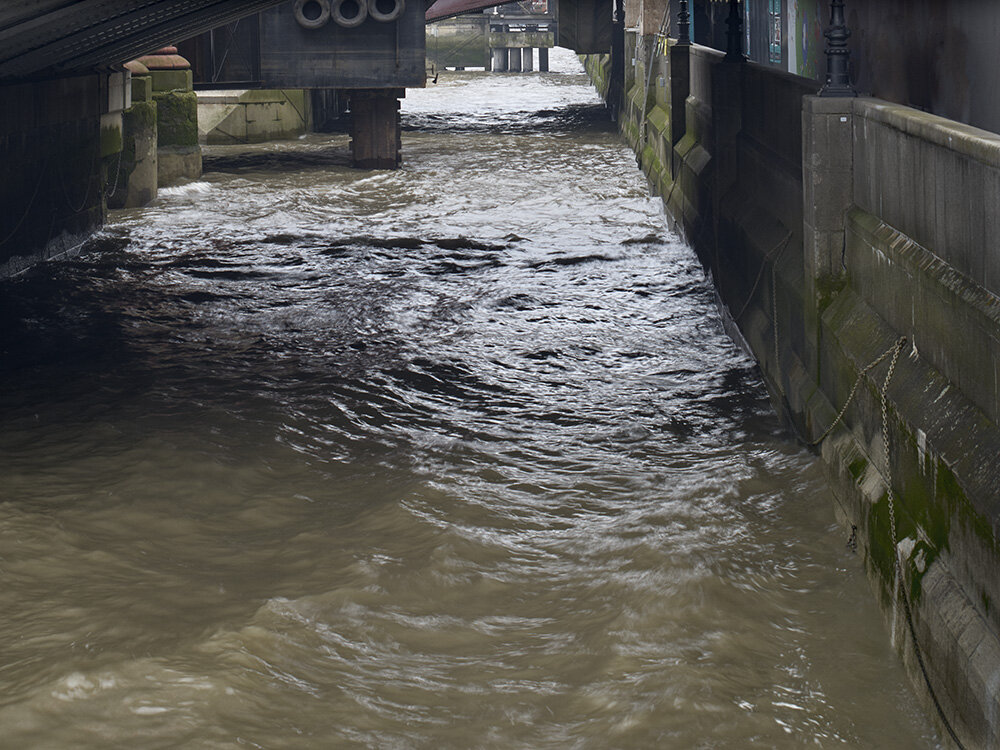
Rich Cutler’s photographs trace the ancient course of the River Fleet and its history through the urban landscape of present-day London. The project explores one of London’s ‘lost’ rivers: the Fleet, with its headwaters arising at Hampstead, and its mouth at Blackfriars. After the Thames it was the city’s largest river, but as the population increased it became an open sewer, and the channel silted up. The Victorians eventually diverted it underground, incorporating the river in their new sewer system. Today, with the exception on Hampstead Heath, no open water remains, and the course of the river has been obliterated.

02 14-04-05 [12.36h 43].jpg
03 14-03-28 [14.42h 54].jpg
04 14-03-28 [13.16h 45].jpg
10 14-04-05 [16.23h 39].jpg

As London grew, its landscape and climate changed – the causes in part natural and in part human. The London Basin when first settled by humans was tundra with grass, sedge and shrubby trees. The climate warmed, and by 10,000 BCE this region was covered by deciduous forest, with meadows adjacent to the River Thames. The first farmers arrived about 4,000 BCE and began felling trees; the landscape soon became a patchwork of cleared fields and small settlements. The River Fleet at this time was a stream flowing from the hills to the north, forming a steep-sided valley before it entered the Thames in a wide estuary. The settlers in this area would have used the Fleet for drinking water and catching fish. Later, after founding the city of London, the Romans harnessed its power for mills. But as London grew over the centuries, we turned the Fleet from a source of clean water into an open sewer, finally entombing it underground to be unseen and forgotten.

17 14-11-07 [13.05h 18].jpg
25 15-10-20 [14.12h 57].jpg
40 15-10-23 [13.12h 43].jpg
59 17-02-05_13-33-46h.jpg

We have an uneasy relationship with nature, exploiting it for our – often short-term – needs. As time passes, the environment changes beyond recognition by our hand, yet echoes of the past bleed into the present, and nature is never truly subjugated. As well as exploring the geography of the natural course of the Fleet through modern London, Rich Cutler questions our relationship with and impact on the landscape – both natural and built. Following the now-hidden former course of the River Fleet, we journey through a present-day London conditioned by history: a landscape that should be familiar but appears instead out of place and out of time – neither here nor there, neither now nor then.

62 17-02-12_12-26-28h.jpg
64 17-03-26_17-05-39h.jpg
65 17-02-12_13-19-19h mod.jpg
66 15-02-22 [11.21h 26].jpg

Rich Cutler carefully transposed the last known natural course of the river from an old map onto Google Maps, and then walked and observed along this route over 4 years, from the start of the Fleet on the hills of Hampstead Heath to its former mouth by Blackfriars Bridge on the Thames – never straying from what would have been the banks of the river. The final series is comprised of 70 photographs and will be made into in a book, along with archival material from the 19th century and earlier.

Behind the Image - Barry Falk

Barry Falk shares how he captured an intimate portrait of an elderly Holocaust survivor in the Ukraine.

Barry Falk, In Search of Amnesia (2).jpg

Briefly describe the photograph

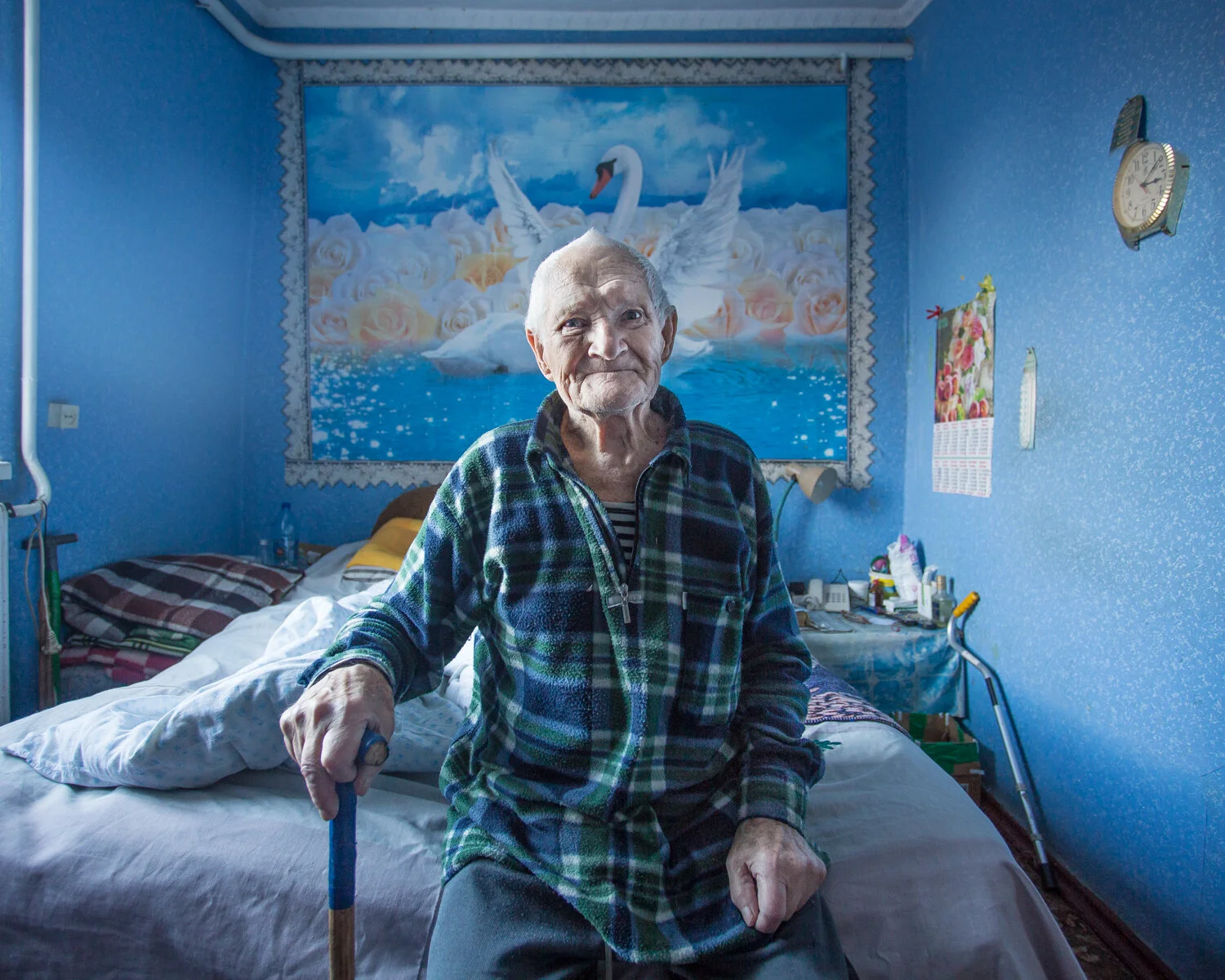
A very frail, elderly Jewish man sits on the edge of his bed to let me photograph him. This man is a Holocaust survivor from a nearby village.

Where was the photograph made?

This image was taken in Zvenyhorodka, Kyiv Region, Ukraine.

Why was the photograph made?

This image is part of an ongoing project, which I began in January 2017, titled In Search of Amnesia. The project looks into the Jewish narrative in south-east Poland and north-west Ukraine. It is concerned with Jewish memory, how we both remember and forget the past, but it is also a very personal project exploring my own identity and the family story that I hold. Poland and Ukraine are both very culturally and religiously significant to Jews; they are the ancestral home to many diaspora Jews around the world.

In November 2019 I returned to Ukraine for a second time, this time concentrating on the Kiev region. My interest was in meeting the small Jewish communities that had survived the numerous pogroms and the Holocaust. I worked with a guide, Chaim, who drove me to various small towns, some of which had been former shtetls, and still held small Jewish communities. Chaim was more than just a guide: he had been compiling a historical website on the Jewish communities in the Kiev region for the last five or six years, so it was a great opportunity to join him and see the region through his expert eyes.

What was happening outside of the frame?

I am squeezed up against the wall to take this image, so I can get him in the picture frame and include the backdrop of the swan. His wife is in the doorway instructing him to sit down and not to get up, so that I can take his photograph but also because she is worried about him over-exerting himself. Next door his daughter is talking to my guide Chaim about his story as a Jewish survivor of the Holocaust.

Tell us a key fact about this photograph?

The way he is framed by the backdrop of a swooning swan, wings outstretched like a vision of heaven, is particularly relevant as he represents a diminishing population of Jewish people in the rural Kiev region.

Why is this photograph important to you?

To have the opportunity to travel to Ukraine and to be allowed into this man's home, in what was quite an intrusive if consensual manner, was a huge honour. This image represents a much wider narrative about survival and loss, remembering and forgetting, which I could only fully understand by actually visiting these communities and meeting these people.

MAP6 Interview with Urbanautica

MAP6 are delighted to have been featured on Urbanuatica. For the feature Barry Falk was interviewed by Steve Bisson, where they discussed the origins of MAP6, working collectively and our two latest projects, The Isolation Project and Finland: The Happiness Report. Check it out here.

Barry.jpg

Guest Feature - Jake Romm

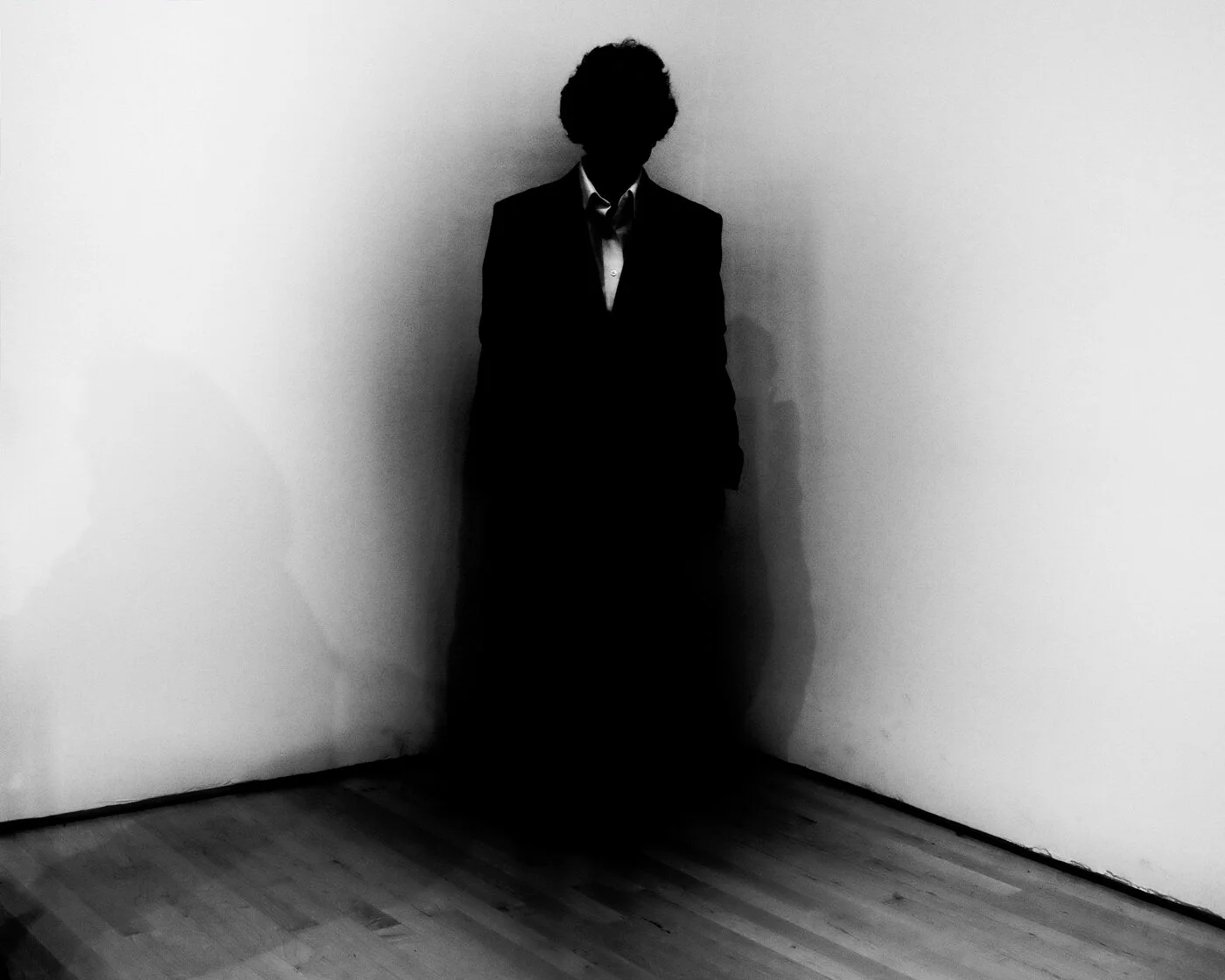
This is a selection from the series Hanging on the Wall, an ongoing work exploring the formal relation between museum guards and the aesthetic space that they inhabit. The photographs have been processed in such a way to flatten and erase the distinction between the guard and their work, in order to incorporate and level both into a single pure form. This flattening further comments on the anonymous, often under appreciated labor that keeps museums running. In erasing the distinction between art and guard, the viewer is forced to engage with the guards presence, to acknowledge their integrality to the museum, both aesthetically as form and as labor.

Romm-12.jpg
Romm-4.jpg
Romm-6.jpg
Romm-7.jpg

When the guard is brought into focus, the experience of a museum changes for the viewer. The act of observing, of a visitor engaging with a work of art, becomes troubled by the presence the guard engaged in the act of observing the observer. In the presence of a museum guard the museum goer becomes self-conscious, conscious of their physical presence within an enclosed space and conscious of the act of observation itself. Questions begin to arise in the mind of the viewer: Have I looked at this work for too long, or not long enough? Am I standing too close, or should I move to the next room? The guards apparent boredom, or perhaps nonchalance, in the face of the artwork forces us to ask what viewership is worth and whether novelty is the primary force at play.

Romm-9.jpg
Romm-10.jpg
Romm-17.jpg
Romm-13.jpg

As a philosophy student, Jake Romm focuses primarily on aesthetics and the ways in which our world is mediated through images. Jake Romm’s writing and photography have appeared in The New Inquiry, The Forward, Humble Arts Foundation, Loosen Art Gallery, Yogurt Magazine, Dodho Magazine, Fisheye Gallery, Phroom, Across the Margin and Reading The Pictures.

jakeromm.com